Court Upholds Eminent Domain for Controversial Maryland Piedmont Reliability Project
Share this article

The Scope of the Maryland Piedmont Reliability Project
The MPRP is designed to be a massive energy infrastructure undertaking. It proposes a 70-mile power line that would carve a 150-foot-wide path through diverse landscapes. This includes an estimated 400 individual properties, encompassing hundreds of acres of vital farmland, historic old-growth forests, sensitive wetlands, and land currently under preservation programs across the three affected Maryland counties according to The Baltimore Fishbowl. The developer, PSEG, argues that the power line is a critical necessity to avert a looming power crisis in the region. They've issued stark warnings about the potential for rolling blackouts and brownouts in the coming years if the project isn't completed. The demand for electricity continues to climb, and existing infrastructure, they contend, isn't sufficient to meet future needs, especially with increasing urbanization and technological demands.Local Concerns and Regional Implications
While PSEG emphasizes the need for grid stability, opponents of the MPRP offer a different perspective. Many believe the project is less about local energy reliability for Maryland residents and more about serving external interests. They argue that the power line is essentially a large-scale extension cord primarily intended to power the rapidly expanding data centers in Northern Virginia. The expansion of data centers in Northern Virginia has indeed been a significant driver of electricity demand in the broader DMV area. These facilities, which house vast networks of computer servers, require enormous amounts of power to operate and cool. Critics of the MPRP suggest that Maryland property owners and natural resources are being leveraged to support this growth in a neighboring state, rather than addressing a primary need within Maryland itself. For many homeowners and farmers, the idea of a massive power line bisecting their property or community is a tough pill to swallow, raising concerns about environmental impact, property values, and the rural character of their neighborhoods. The legal battle has centered on whether the project constitutes a "public use" justifying the use of eminent domain. The Fourth Circuit's decision, by upholding the previous ruling, affirms that the court finds the project does serve a public purpose, despite the contentious debate over its primary beneficiaries. This kind of legal challenge often hinges on the interpretation of "public use" and "just compensation," which can be complex and emotionally charged for affected property owners.What This Means for DMV Residents
While the immediate impact of this ruling is felt most acutely by property owners in Baltimore, Carroll, and Frederick Counties, the broader implications ripple across the DMV. If the project's primary purpose is indeed to support Northern Virginia's data centers, then this ruling indirectly facilitates the continued growth of that sector, with potential knock-on effects for regional energy policy, environmental planning, and even the cost of electricity. Residents across Maryland and Northern Virginia should pay attention to how this project progresses. It highlights the ongoing tension between the need for modern infrastructure, particularly for energy, and the preservation of private property rights and natural landscapes. The debate over who benefits most from such projects, and who bears the burden, will likely continue as PSEG moves forward with its plans.📍 Local Resources
Regulates public utilities and transportation companies in Maryland, including electric companies. Provides information on utility projects and consumer rights.
Offers legal guidance and resources for Maryland residents, including information on property rights and eminent domain issues.
Provides free civil legal services to low-income individuals in Maryland, which may include assistance with property disputes or eminent domain issues.
Explore more on this topic
Related Stories

Fairfax County Public Schools' Federal Funding Lawsuit Revived by Appeals Court
An appeals court has revived Fairfax County Public Schools' lawsuit against the U.S. Department of Education, challenging the withholding of federal funds over the district's policies supporting transgender students. This decision sends the case back to a lower court, marking a critical step for FCPS in its fight to restore millions in federal aid.
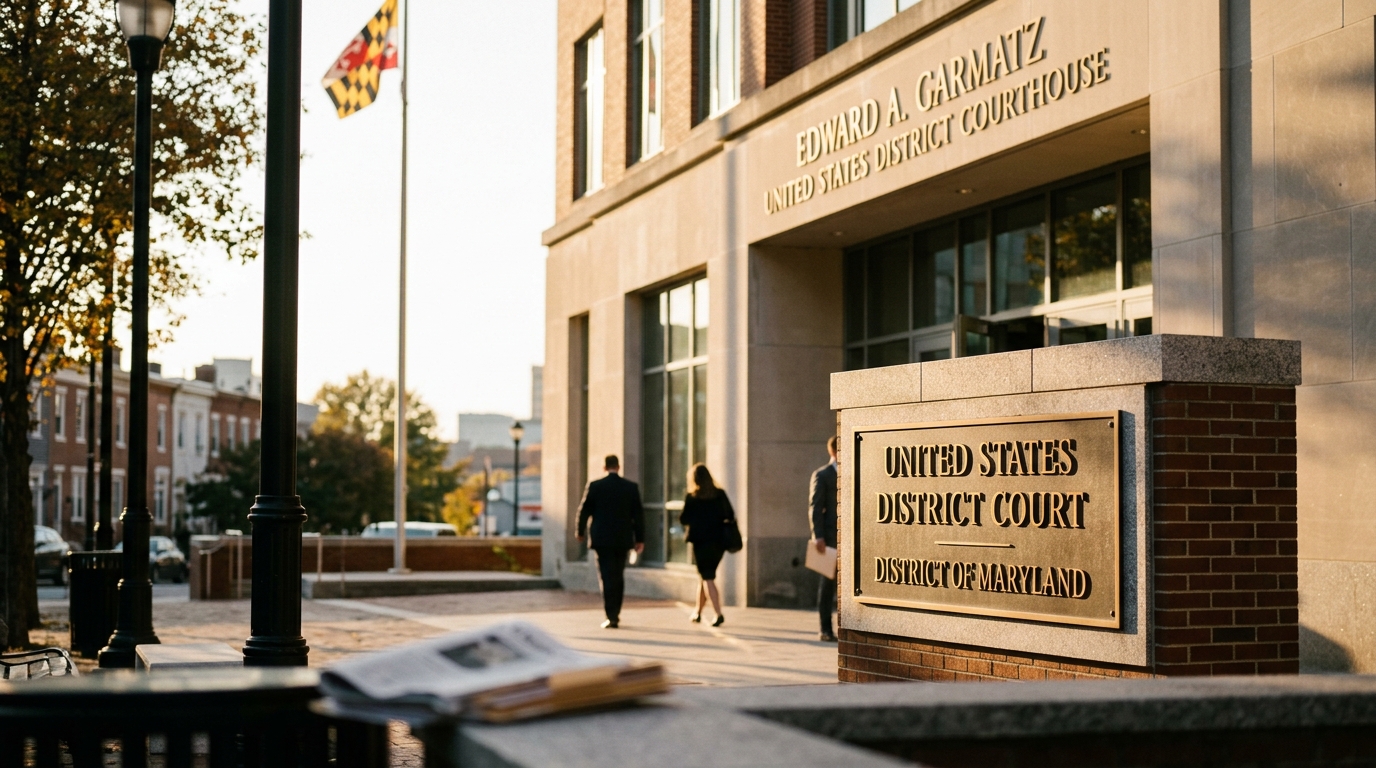
Federal Judge Rejects Maryland Attorney General's Bid for ICE Records on Baltimore Facility
A federal judge has rejected the Maryland Attorney General's bid to obtain records from an ICE detention facility in Baltimore, marking a setback for state-level transparency efforts into federal immigration operations within Maryland.
D.C. Council Member Trayon White Seeks Acquittal in Federal Bribery Case After Mistrial
A federal judge will decide whether to acquit D.C. Council member Trayon White in his bribery case after a mistrial, or allow prosecutors to pursue a retrial. The Ward 8 representative's legal team argues for dismissal, while prosecutors point to recorded evidence.