Maryland Oyster Hatchery on Eastern Shore Secures Funding, Continues Crucial Restoration Work
Share this article
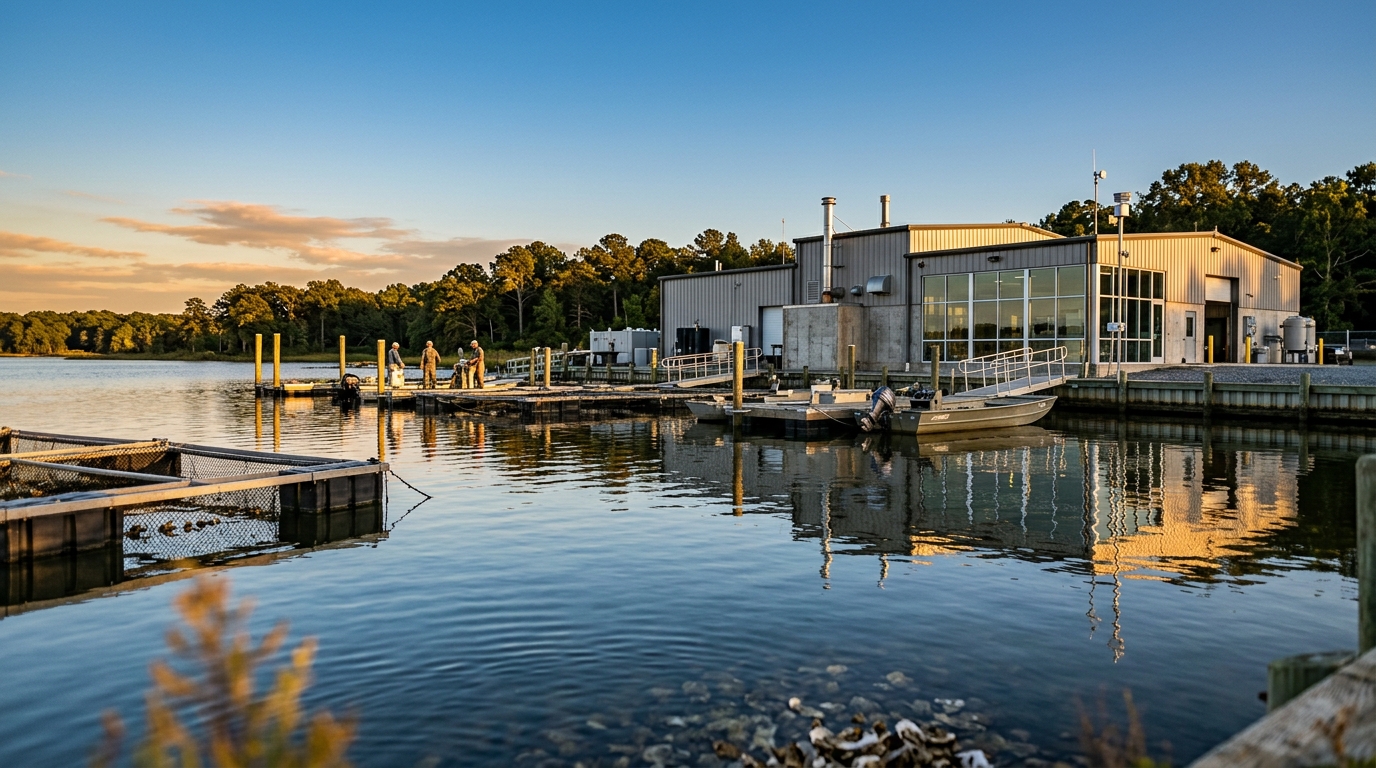
A vital facility dedicated to restoring the Chesapeake Bay’s oyster populations is breathing a sigh of relief. The Horn Point Oyster Hatchery, located on Maryland's Eastern Shore, has secured the necessary funding to continue its operations for another year, narrowly avoiding the deep cuts that threatened its existence. This reprieve is critical for ongoing efforts to revitalize the Bay’s ecosystem and support local watermen.
A Lifeline for the Bay's Oysters
The Horn Point Oyster Hatchery, part of the University of Maryland Center for Environmental Science (UMCES), plays a pivotal role in replenishing the Chesapeake Bay with millions of young oysters each year. These oysters are not just a valuable seafood commodity; they are also natural filters, improving water quality by removing excess nutrients and sediment. For years, the hatchery has been a cornerstone of Maryland's oyster restoration initiatives, producing billions of spat—oyster larvae that have settled on a surface and are ready to grow—for planting in the Bay.
The facility's work became particularly precarious when federal funding was significantly reduced in previous years. In 2020, the Trump administration proposed eliminating federal funding for the hatchery as part of broader budget cuts, sparking concern among environmentalists and the seafood industry alike. While state and private funding stepped in to bridge the gap for a time, the future remained uncertain. This latest funding assurance, however, allows the hatchery to continue its crucial work, ensuring a steady supply of disease-resistant oysters for restoration projects across the Chesapeake.
The Importance of Oyster Restoration
Oysters were once so abundant in the Chesapeake Bay that their beds formed natural underwater mountains, filtering the entire Bay’s water volume several times a year. Decades of overharvesting, pollution, and disease have decimated oyster populations, leading to a significant decline in water quality and the collapse of the Bay's oyster fishery. Restoration efforts, heavily reliant on hatcheries like Horn Point, aim to reverse this trend.
These efforts involve planting billions of spat onto established oyster reefs. The young oysters then grow, contributing to the Bay’s ecological health and potentially reviving a sustainable oyster harvest. The Maryland Department of Natural Resources actively supports these initiatives, recognizing the multifaceted benefits of a healthy oyster population. The Horn Point Hatchery's continued operation is therefore vital for meeting the state's ambitious oyster restoration goals.
A Local Impact for Marylanders
For residents of the Eastern Shore and the broader Chesapeake Bay region, the survival of the Horn Point Oyster Hatchery is more than just an environmental victory; it’s an economic lifeline. The oyster industry supports numerous jobs, from watermen who harvest oysters to those involved in processing and selling seafood. The improved water quality resulting from oyster filtration also benefits coastal communities by creating healthier habitats for other species and enhancing recreational opportunities. The continued operation of the hatchery, located near Cambridge, Maryland, ensures that these vital economic and ecological benefits can persist for at least another year.
Looking Ahead: Sustaining the Effort
While the immediate threat of funding cuts has been averted, the long-term financial stability of the Horn Point Oyster Hatchery remains a concern. Advocates emphasize the need for sustained, reliable funding streams—both public and private—to ensure the hatchery can operate consistently and expand its capacity. Future success will likely depend on continued collaboration between state agencies, research institutions, and conservation organizations.
The University of Maryland Center for Environmental Science plays a key role in not only producing oysters but also conducting vital research into oyster diseases and genetics, developing more resilient strains that can thrive in the challenging Bay environment. This scientific underpinning is as crucial as the physical production of spat. As the Chesapeake Bay continues its recovery journey, facilities like Horn Point stand as testaments to the dedication and importance of conservation science in action.
📍 Local Resources
Provides information on oyster restoration efforts, regulations, and resources for watermen.
Oversees research and operations at facilities like the Horn Point Oyster Hatchery, contributing to scientific advancements in aquaculture and ecosystem restoration.
A leading non-profit organization dedicated to saving the Chesapeake Bay through advocacy, education, and direct conservation actions, often partnering on oyster restoration projects.
Explore more on this topic
Related Stories

Bethesda Patient Undergoes First-of-Its-Kind Robotic Surgery for Breast Cancer, Retaining Sensation
A Bethesda breast cancer patient recently underwent a groundbreaking robotic surgery designed to preserve sensation, marking a significant advancement in local medical care.

Fairfax County School Rockets Towards New STEM Program
A Fairfax County school is set to launch a new rocket building program, promising to boost STEM education and ignite student passion for science and engineering. While details are scarce, the initiative aligns with the region's focus on innovative learning and preparing students for future tech careers.

Luxury Living in Chesterbrook Estates: A Grand McLean Home Hits the Market
A spacious 6-bedroom, 7.5-bathroom home in McLean's Chesterbrook Estates is set for an open house this Sunday, offering a prime example of luxury living in Northern Virginia.