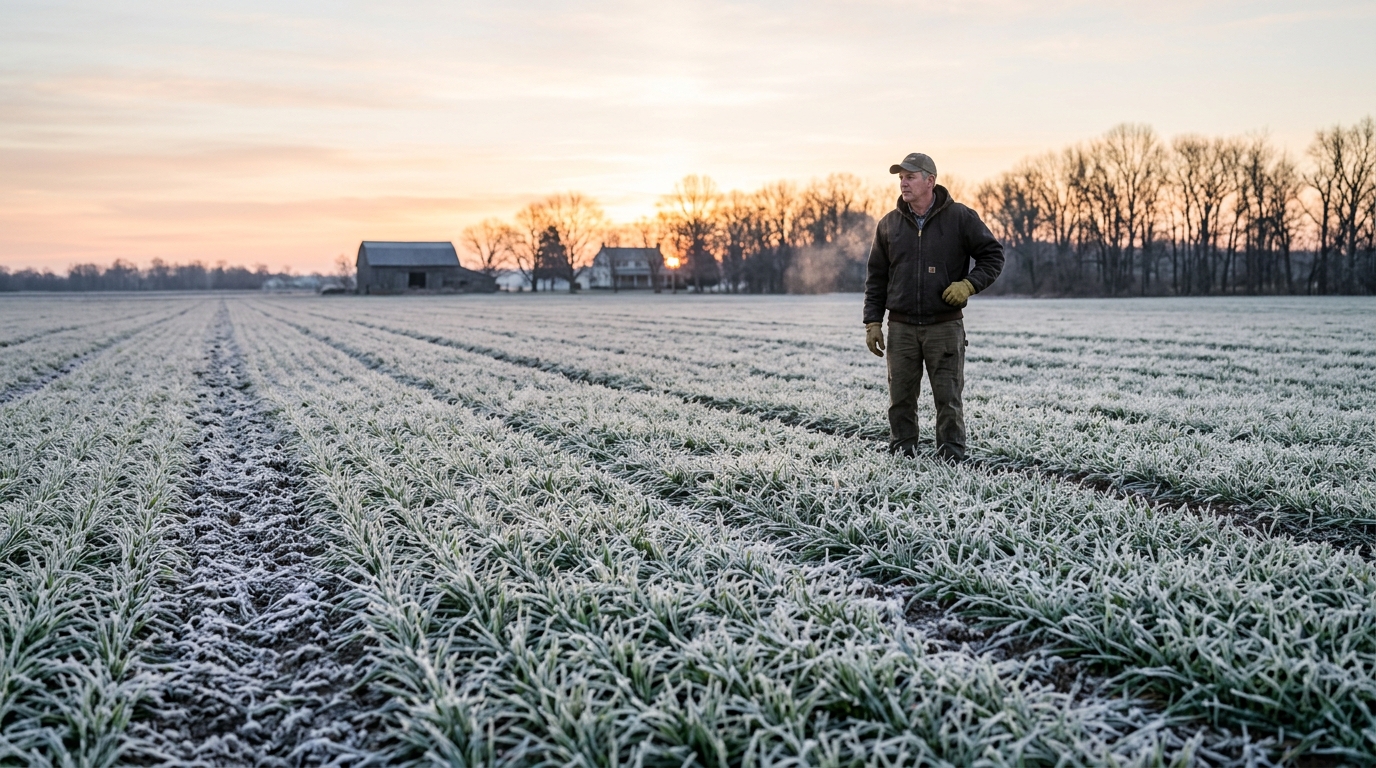
A sudden, late-season frost has cast a significant shadow over Maryland's agricultural landscape, potentially putting a "chill" on the crucial spring and summer selling season for farmers across the state. This unexpected cold snap could mean trouble for local growers who rely heavily on these warmer months for their livelihoods and to supply fresh produce to communities throughout the DMV
[1]. For many Maryland farms, the spring season is when the hard work of planting early crops begins to pay off, moving from fields to farmers' markets and grocery stores. An untimely frost, especially after a period of warmer weather that encourages early budding and growth, can be devastating to tender young plants and fruit blossoms.
An unexpected late-season frost can significantly impact the spring and summer selling season for Maryland farmers, affecting both livelihoods and local produce availability.
### The Impact on Maryland's Farms When temperatures dip below freezing after plants have started to emerge or trees have begun to bud, the damage can be swift and severe. Delicate seedlings, like those for tomatoes, peppers, and various leafy greens, are particularly vulnerable. Fruit trees, such as peaches, apples, and cherries, which may have already blossomed, can see their nascent fruit wiped out, leading to drastically reduced yields come harvest time. According to
WTOP, this frost is specifically threatening the "spring and summer selling season," indicating a widespread concern for crops that would typically be ready for market in the coming months
[1]. This isn't just about losing a single crop cycle; it's about the financial backbone of these agricultural businesses. Farmers invest significant resources—time, labor, seeds, and equipment—into their crops well before they ever reach a consumer. A frost event can erase months of effort and anticipated income, leaving many facing substantial losses. The
Maryland Department of Agriculture often works with farmers to navigate such challenges, but the immediate impact can be difficult to absorb. ### What This Means for Consumers For residents across Maryland, Washington D.C., and Northern Virginia who cherish fresh, locally sourced produce, this frost could translate into several changes at their favorite farmers' markets and grocery aisles. We might see higher prices for certain local fruits and vegetables, or even a reduced availability of some items that typically thrive in early summer. "When local farms take a hit, it's not just their bottom line that suffers," explained one local market manager in Montgomery County. "It impacts the whole local food chain. Less local produce means less selection and potentially higher prices for what's available." The
University of Maryland Extension provides valuable guidance to farmers on mitigating frost damage, from using row covers to implementing overhead irrigation systems that can protect plants by creating a layer of ice. However, the effectiveness of these measures depends on the severity and duration of the freeze, and not all farms have the resources to implement them on a large scale. ### Navigating the "Chill" Ahead While the full extent of the damage from this recent frost is still being assessed, farmers will be carefully monitoring their fields in the coming days and weeks. Some may attempt replanting, if feasible, which adds further costs and delays. Others may need to adjust their crop plans for the remainder of the season. This event underscores the inherent risks in agriculture and the profound influence of weather patterns on our local food supply. As we move further into spring, keeping an eye on updates from local farms and agricultural organizations will be key. Supporting local farmers through farmers' markets and community-supported agriculture (CSA) programs, even when prices might be a bit higher or selections slightly different, becomes even more critical during challenging seasons like this.
📍 Local Resources for Farmers & Consumers
Maryland Department of Agriculture
Provides resources, programs, and support for Maryland farmers, including information on crop insurance and agricultural best practices.
📍 Location: 50 Harry S. Truman Pkwy, Annapolis, MD 21401
🕐 Hours: Mon-Fri 8am-4:30pm
University of Maryland Extension - Agriculture & Food Systems
Offers research-based information, educational programs, and technical assistance to farmers on topics like crop management, pest control, and dealing with weather impacts.
📍 Location: Various county offices across Maryland
🕐 Hours: Varies by office
Maryland Farmers Market Directory
Find local farmers' markets to support Maryland growers and purchase fresh produce directly. Check market websites for current availability.
📍 Location: Statewide
🕐 Hours: Varies by market, typically spring through fall
As the weather continues its unpredictable spring dance, Maryland's agricultural community and the consumers who rely on its bounty will be watching closely. What this means for your favorite local produce stand in the coming weeks remains to be seen, but staying informed and supporting local will certainly help our hardworking farmers weather this latest challenge.