Maryland Federal Judge Threatens Sanctions Over Suspected AI-Generated Court Filings
Share this article

The Judge's Concern: An "Avalanche" of AI?
The heart of the matter lies in a civil case where the litigants are appearing *pro se*, meaning they are representing themselves without legal counsel. While *pro se* representation is a fundamental right, it often means individuals lack formal legal training and may struggle with the intricacies of court procedure and legal drafting. This is where AI could seem like a tempting shortcut. According to reports, the federal judge in Maryland observed a sudden and significant increase in motions filed by these litigants. This deluge, combined with the nature of the filings, led to a suspicion that AI might have played a significant, and potentially unacknowledged, role in their creation [1]. The judge's response — threatening sanctions — underscores the seriousness with which the judiciary views the integrity of court documents.What Does "Pro Se" Mean for AI Use?
For many DMV residents, understanding the term *pro se* is crucial. It refers to individuals who choose to represent themselves in court, a practice often seen in civil cases, family law matters, or small claims. While resources exist to help *pro se* litigants, like those offered by the U.S. Courts system, the legal field remains notoriously complex. The rise of AI tools presents a double-edged sword. On one hand, they could theoretically empower *pro se* litigants by making legal information more accessible and drafting easier. On the other, they introduce risks of inaccuracy, "hallucinations" (AI generating false information), and ethical dilemmas regarding the authorship and verification of legal arguments. Judges rely on the honesty and accuracy of filings, and if AI is generating content without human oversight, it could undermine the judicial process.The Broader Implications for DMV's Legal Landscape
This isn't just a localized incident; it's a bellwether for the legal community across Washington D.C., Maryland, and Virginia. Attorneys are already grappling with the ethical guidelines surrounding AI use, with some states issuing opinions on the responsible integration of these tools. The Maryland judge's actions serve as a stark reminder that the judiciary is actively watching and ready to act when the use of AI crosses a line. Sanctions can range from monetary penalties to striking filings or even more severe consequences, depending on the court's discretion and the specific rules violated. This case could set a precedent for how federal courts in our region address undisclosed AI assistance in legal documents, potentially leading to new rules or heightened scrutiny. The Maryland Judiciary, like others, is navigating this new frontier. This situation prompts a vital question: How will our legal system adapt to ensure fairness and uphold standards in an era where AI can draft complex documents in seconds? For anyone interacting with the courts, whether as a litigant or a legal professional, understanding the ethical boundaries and potential pitfalls of AI in legal work is becoming increasingly critical. What this means for DMV residents is that the courts are taking the authenticity of legal filings seriously. If you're considering using AI for legal matters, proceed with extreme caution and ensure you understand your ethical obligations. We'll be keeping a close eye on this case and any subsequent guidance from the judiciary on the use of AI in our local courts.Explore more on this topic
Related Stories

Fairfax County Public Schools' Federal Funding Lawsuit Revived by Appeals Court
An appeals court has revived Fairfax County Public Schools' lawsuit against the U.S. Department of Education, challenging the withholding of federal funds over the district's policies supporting transgender students. This decision sends the case back to a lower court, marking a critical step for FCPS in its fight to restore millions in federal aid.
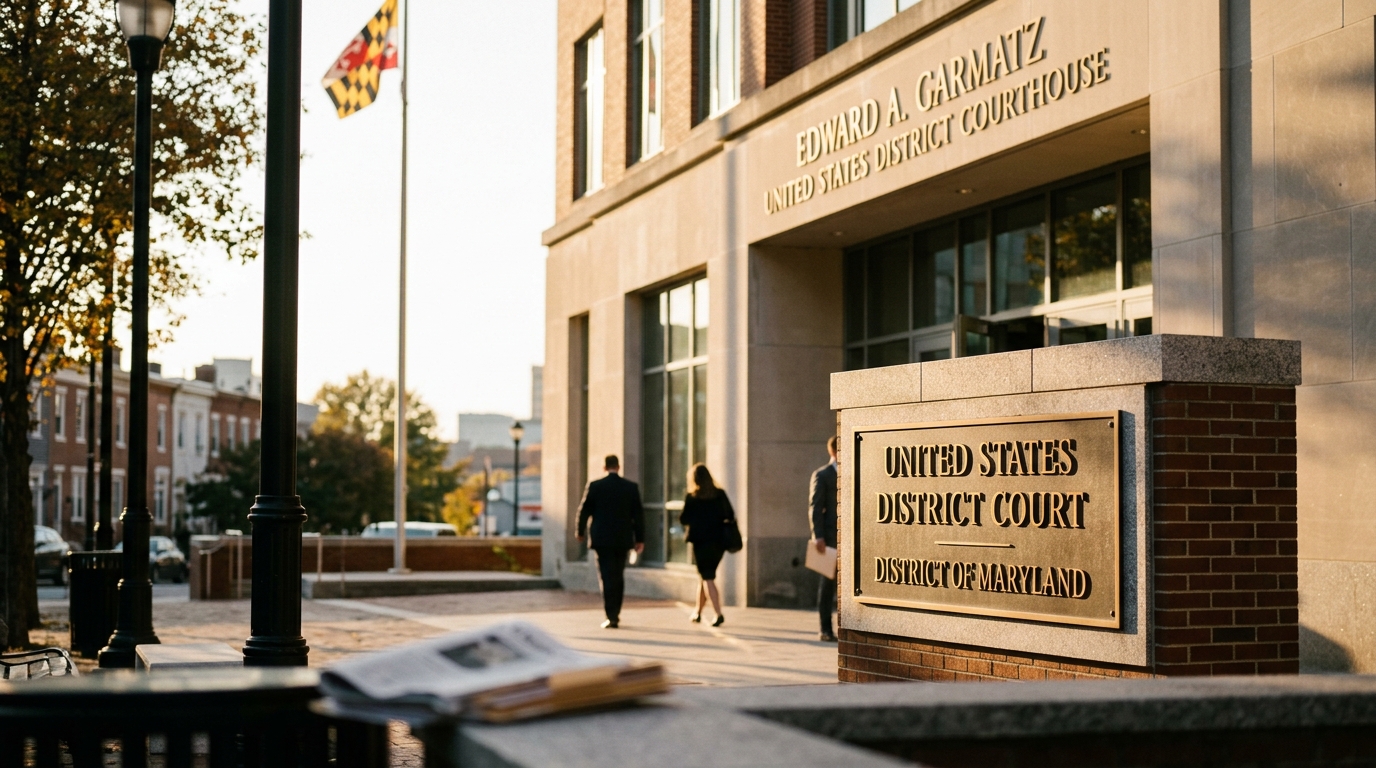
Federal Judge Rejects Maryland Attorney General's Bid for ICE Records on Baltimore Facility
A federal judge has rejected the Maryland Attorney General's bid to obtain records from an ICE detention facility in Baltimore, marking a setback for state-level transparency efforts into federal immigration operations within Maryland.
D.C. Council Member Trayon White Seeks Acquittal in Federal Bribery Case After Mistrial
A federal judge will decide whether to acquit D.C. Council member Trayon White in his bribery case after a mistrial, or allow prosecutors to pursue a retrial. The Ward 8 representative's legal team argues for dismissal, while prosecutors point to recorded evidence.