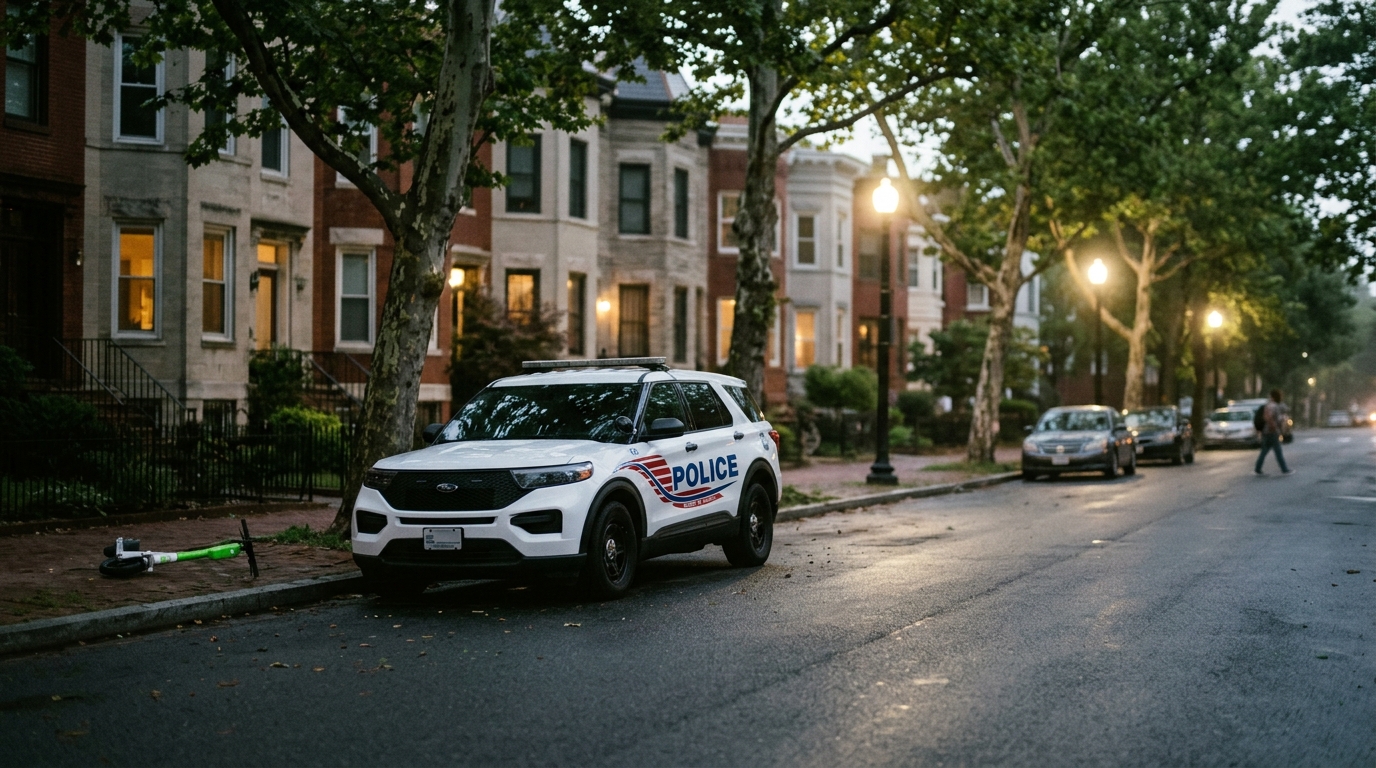
The streets of Washington, D.C., are no stranger to the hustle and bustle of daily life, but a recent incident has put a spotlight on an unexpected tool in alleged criminal getaways: dockless e-bikes and scooters. Metropolitan Police Department (MPD) officers issued a lookout for a group of teenagers reportedly seen fleeing the scene of an alleged robbery on Lime bikes and scooters, signaling a new challenge for law enforcement in the nation's capital. This incident, which occurred in the District, underscores how readily available micro-mobility devices can be repurposed, allegedly, for illicit activities. While specific details regarding the exact time or precise location of the robbery and subsequent chase weren't immediately available, the alert from D.C. police highlights a growing concern about the use of these popular transportation methods in the commission of crimes [1].
D.C. police issued a lookout for a group of teens seen fleeing on Lime bikes and scooters after an alleged robbery.
### The Alleged Incident and Police Response The lookout from MPD described a group of teens, who, after allegedly committing a robbery, utilized Lime's distinctive green e-bikes and scooters to make their escape. This method of flight presents unique challenges for police, who are often accustomed to pursuing suspects in vehicles or on foot. The agility and speed of e-bikes and scooters can allow individuals to weave through traffic, navigate sidewalks, and access areas traditional patrol cars cannot, making apprehension more complex. D.C.'s landscape, with its mix of busy thoroughfares, bike lanes, and pedestrian zones, makes these devices incredibly efficient for quick movement. For law enforcement, a lookout for suspects on e-bikes means shifting tactics, potentially deploying bicycle units or foot patrols more strategically in areas known for dockless vehicle activity. The ability to quickly ditch a rented device also adds a layer of difficulty in tracking individuals compared to a personal vehicle. ### The Ubiquity of Dockless Vehicles in D.C. Dockless e-bikes and scooters have become an integral part of D.C.'s urban fabric since their widespread introduction years ago. Companies like Lime operate fleets of these devices, offering residents and visitors a convenient, on-demand way to travel short distances across the city. The District Department of Transportation (DDOT) oversees the operation of these programs, aiming to provide sustainable and accessible transportation options DDOT's official site. Riders typically locate and unlock these devices via a smartphone app, paying per minute or through subscription plans. This ease of access, while beneficial for many, also means the devices are widely available on street corners and public spaces, making them accessible to anyone with a smartphone and a payment method—or, potentially, to those who bypass these requirements for illicit purposes. Understanding how these systems work is crucial for both users and authorities Lime's operational guide. ### Challenges for Law Enforcement and Public Safety The alleged use of these devices in a robbery scenario highlights several challenges for both law enforcement and public safety in the District. Identifying suspects can be difficult if they're not wearing helmets or if their faces are obscured. Furthermore, the transient nature of rented devices means that even if a scooter or bike is recovered, linking it directly to the individual who used it at the time of an incident can require detailed data from the operating company. For D.C. residents, this incident might spark concerns about the broader implications of such accessible transportation. While the vast majority of e-bike and scooter users are law-abiding, any alleged misuse in criminal activity can heighten anxieties. The Metropolitan Police Department remains vigilant in addressing all forms of crime, and incidents like this prompt ongoing evaluations of how to best respond to evolving criminal tactics Metropolitan Police Department's website. As D.C. continues to embrace micro-mobility as a key component of its transportation network, residents should remain aware of their surroundings and report any suspicious activity to the authorities. The alleged use of these devices in criminal acts serves as a stark reminder that even everyday objects can be exploited, requiring constant adaptation from both the public and law enforcement to maintain safety across the District.
📍 Local Resources
Metropolitan Police Department (MPD) Non-Emergency
For non-emergency police assistance, to report non-urgent crimes, or to provide information related to a lookout.