Maryland Chief Justice Matthew Fader Addresses Rising Threats to Judicial Security at UMD Law Panel
Share this article
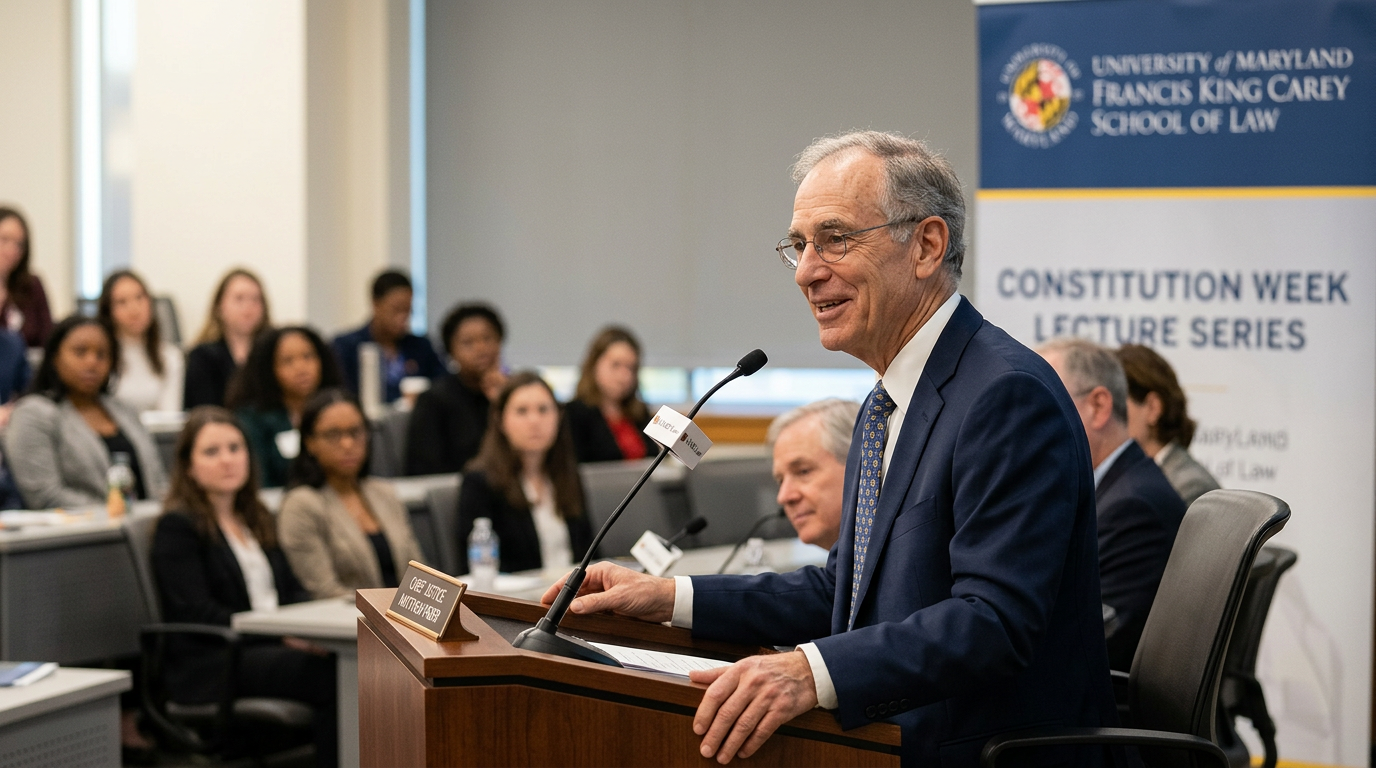
Maryland Supreme Court Chief Justice Matthew Fader recently underscored the escalating concerns surrounding violence against judges and court personnel during a panel discussion at the University of Maryland Francis King Carey School of Law. The event, held in Baltimore, brought together legal minds to confront an issue increasingly impacting the integrity and independence of the justice system across the nation, including within the Old Line State.
Chief Justice Fader’s participation highlights the Maryland judiciary's commitment to addressing the safety of its members and ensuring the continued impartial administration of justice. While the specific details of the discussion were not immediately available, the focus on judicial security points to a growing recognition of the threats faced by those serving on the bench, from local district courts to the state's highest tribunal.
Escalating Threats to Judicial Independence
The discussion at the University of Maryland School of Law comes at a time when threats against judges and court staff have seen a disturbing rise nationally. Reports from federal agencies, such as the U.S. Courts and the U.S. Marshals Service, frequently detail an increase in inappropriate communications, harassment, and even violent acts targeting members of the judiciary. These incidents range from online doxing and verbal abuse to physical assaults and attempted assassinations, creating an environment of heightened vigilance for judges and their families.
For the State of Maryland, a robust and independent judiciary is critical to maintaining public order and upholding constitutional rights. The Maryland Judiciary, led by Chief Justice Fader, oversees all state courts, from the District Court to the Supreme Court of Maryland. Any compromise to the safety of its judges could have profound implications for the state's ability to deliver fair and unbiased rulings.
The Impact on Maryland's Justice System
The challenges of judicial security are not confined to federal courts; state and local judges are often more accessible and, at times, more vulnerable. These public servants make difficult decisions daily that can profoundly affect individuals' lives, making them potential targets for those dissatisfied with court outcomes. The increasing politicization of judicial appointments and decisions has further exacerbated this trend, leading to a climate where judicial officers can become targets of public anger or extremist ideologies.
Ensuring the physical safety of judges and their families is paramount, but the discussion also extends to protecting judicial independence. When judges fear for their safety, there is a risk, however subtle, that it could influence their decision-making, thus eroding the impartiality that is the hallmark of a just legal system. The conversation at University of Maryland Francis King Carey School of Law provides a vital platform for exploring comprehensive strategies to mitigate these risks.
Proactive Measures and Collaborative Solutions
Addressing judicial security requires a multi-faceted approach. This includes enhanced physical security at courthouses, better intelligence gathering to identify potential threats, and legislative measures to protect judges' personal information from public disclosure. Many jurisdictions are also exploring specialized training for court staff to recognize and de-escalate potential threats.
The legal community, including institutions like the University of Maryland School of Law, plays a crucial role in fostering dialogue and developing solutions. These academic forums allow for open discussions about best practices, policy recommendations, and the ethical considerations surrounding judicial protection. By bringing together leaders like Chief Justice Fader with legal scholars and practitioners, the aim is to forge a path forward that strengthens the judiciary's resilience against threats.
The ongoing dialogue about judicial security underscores a fundamental challenge facing the American legal system. As Chief Justice Fader and his peers continue to navigate an increasingly complex landscape, the commitment to protecting those who uphold the law remains a critical priority for the State of Maryland and beyond. It’s a collective effort to safeguard the rule of law and ensure that justice can be administered without fear or favor.
Explore more on this topic
Related Stories

Fairfax County Public Schools' Federal Funding Lawsuit Revived by Appeals Court
An appeals court has revived Fairfax County Public Schools' lawsuit against the U.S. Department of Education, challenging the withholding of federal funds over the district's policies supporting transgender students. This decision sends the case back to a lower court, marking a critical step for FCPS in its fight to restore millions in federal aid.
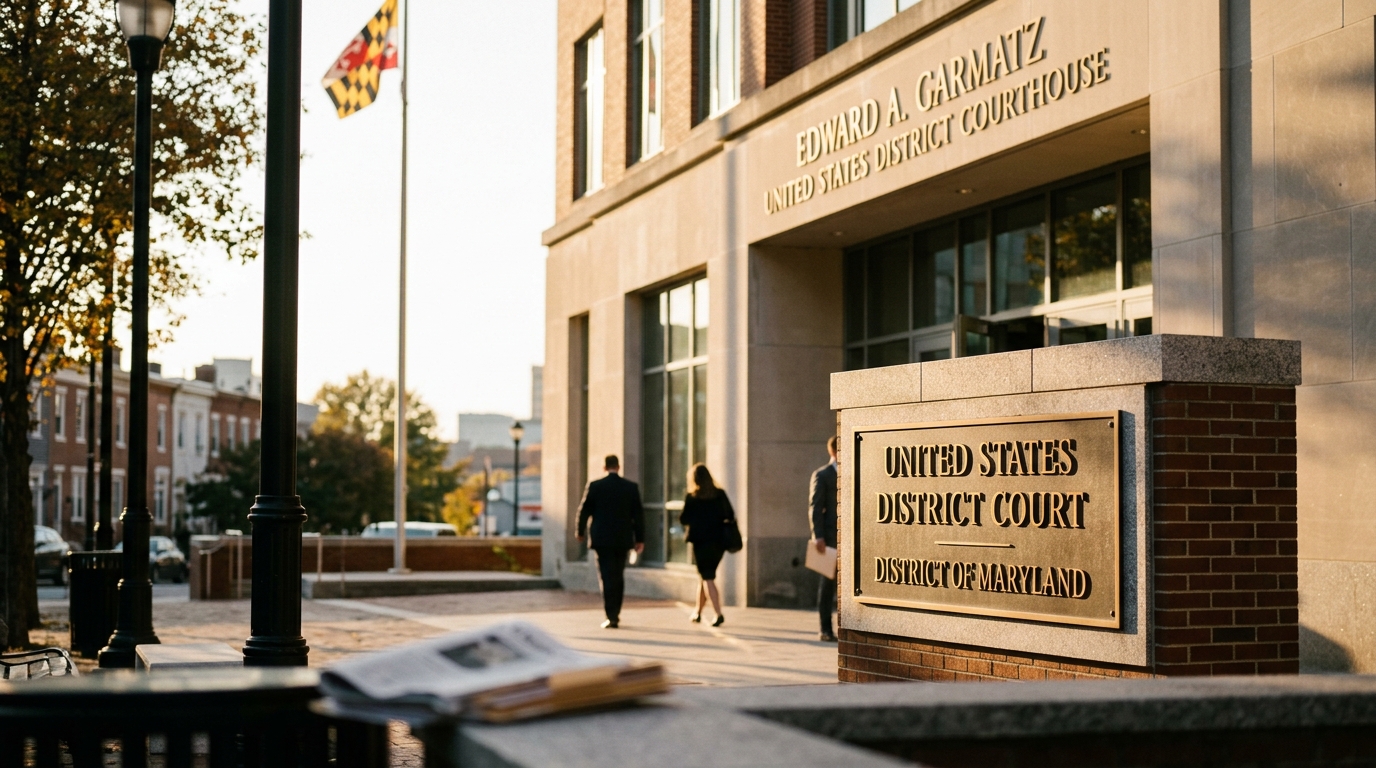
Federal Judge Rejects Maryland Attorney General's Bid for ICE Records on Baltimore Facility
A federal judge has rejected the Maryland Attorney General's bid to obtain records from an ICE detention facility in Baltimore, marking a setback for state-level transparency efforts into federal immigration operations within Maryland.
D.C. Council Member Trayon White Seeks Acquittal in Federal Bribery Case After Mistrial
A federal judge will decide whether to acquit D.C. Council member Trayon White in his bribery case after a mistrial, or allow prosecutors to pursue a retrial. The Ward 8 representative's legal team argues for dismissal, while prosecutors point to recorded evidence.