Mysterious Beech Leaf Disease Threatens to Decimate Maryland's Iconic Trees
Share this article
The Enigma of Beech Leaf Disease
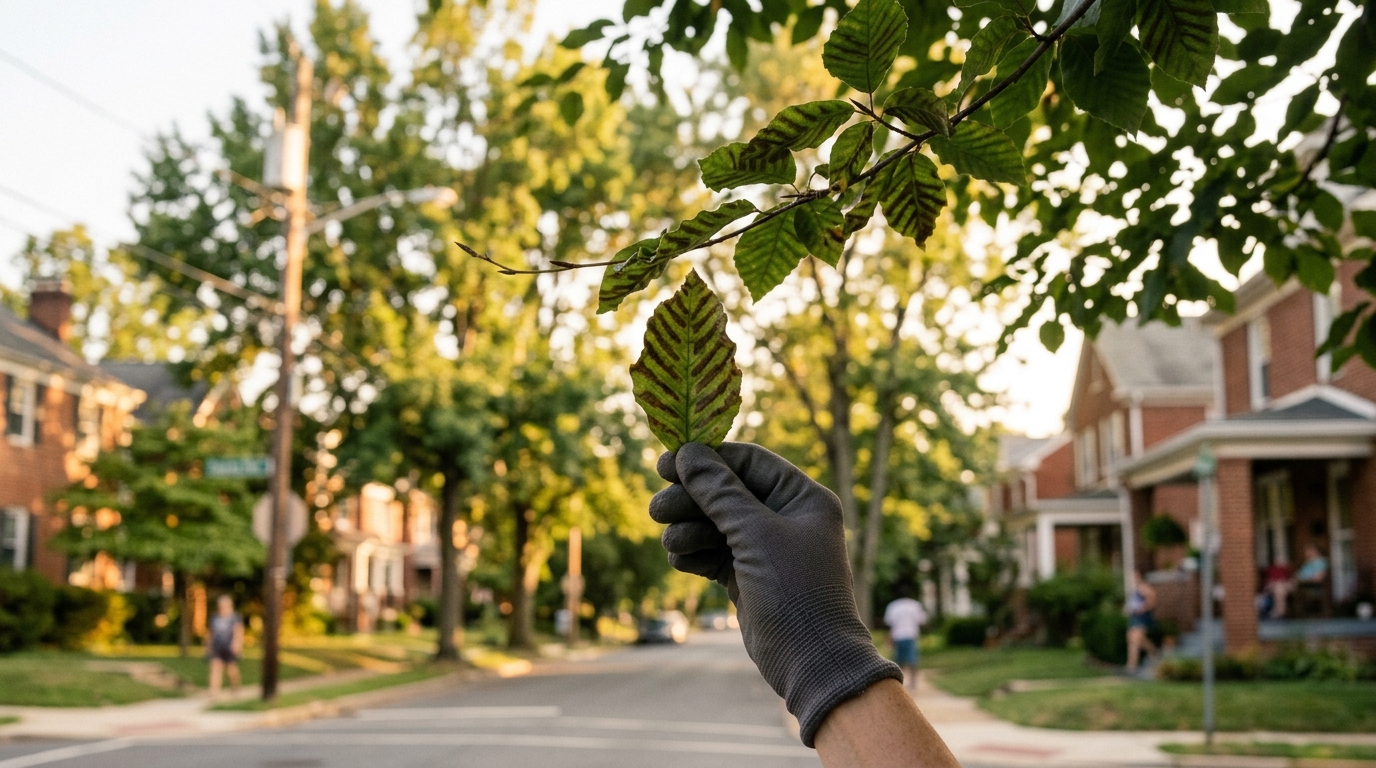
What makes this particular threat so concerning isn't just its destructive potential, but the profound lack of understanding surrounding it. Researchers are still trying to piece together the puzzle of beech leaf disease. How did this microscopic roundworm, a type of nematode, make its way to Maryland? How has it managed to spread so effectively and rapidly across the landscape? These are critical questions that remain unanswered, making it difficult for scientists to devise effective strategies for control and prevention. The disease itself is insidious. It attacks the leaves of the beech trees, causing them to shrivel, darken, and eventually die. Over time, repeated defoliation weakens the tree, leaving it vulnerable to other pests and diseases, ultimately leading to its demise. The spread isn't just confined to wild forests; it's also appearing in residential areas, affecting trees that homeowners have nurtured for decades. This widespread presence means the impact could be felt from the Appalachian foothills in western Maryland to the suburban neighborhoods of Montgomery and Frederick counties.Ecological and Aesthetic Impact on Maryland
The potential devastation of Maryland's beech trees isn't merely an aesthetic concern; it carries significant ecological weight. Beech trees are a dominant species in many northeastern forests, providing habitat and food sources for a variety of wildlife. Their deep root systems help prevent soil erosion, and their canopy contributes to the overall health of the forest understory. Losing a significant portion of these trees could trigger a cascade of negative effects throughout the ecosystem. For residents, the loss of beech trees could change the character of local parks, hiking trails, and even their own backyards. Imagine familiar landscapes stripped of their iconic silver-barked giants, replaced by empty spaces or less resilient species. The visual impact alone would be stark, let alone the long-term ecological consequences. State agencies, like the Maryland Department of Natural Resources, are likely monitoring the situation closely, understanding the broad implications for the state's natural heritage.What's Next for Maryland's Beech Trees?
With so much still unknown about beech leaf disease, the immediate focus for scientists and forestry experts is on research and early detection. Understanding the nematode's life cycle, how it travels, and what specific conditions favor its spread are crucial first steps. The U.S. Department of Agriculture Forest Service is already tracking this emerging threat across the Eastern U.S., highlighting its regional significance. Homeowners and landowners in Maryland have a role to play too. Keeping an eye on their beech trees for early signs of distress—such as dark, thick bands between the veins of leaves, or shriveled foliage—can help in identifying affected trees. While a cure isn't yet available, early detection can inform local forestry efforts and potentially help in managing the disease's spread. The University of Maryland Extension often provides resources and guidance for managing tree health issues. This mysterious disease reminds us of the delicate balance within our natural environment. As scientists race against time to unravel its secrets, Maryland residents will need to remain vigilant, protecting our green spaces and the majestic trees that define them. What we learn in the coming months and years will dictate the future of our beech forests, and with them, a piece of Maryland's natural soul.📍 Local Resources
Provides information and assistance for forest health, including pest and disease management for Maryland landowners.
Offers expert advice, fact sheets, and diagnostic services for plant diseases and pests affecting home landscapes and gardens.
A professional organization that can help connect residents with certified arborists for tree care, diagnosis, and treatment options.
Explore more on this topic
Related Stories

Future of Ohio Drive in Question as Trump Administration Eyes East Potomac Golf Links Expansion
Reports indicate the Trump administration is eyeing changes to Ohio Drive in D.C. to expand the East Potomac Golf Links, raising concerns among cyclists, runners, and local residents about losing access to a beloved scenic roadway.

Truck Crashes into Tenleytown Building at Davenport and 42nd Street NW
A truck collided with a building at Davenport and 42nd Street NW in Tenleytown, causing significant structural damage but no reported injuries. DC Fire and EMS responded, and the Department of Buildings was called to assess the stability of the structure.

Rock Creek Parkway Commute Snarled as NPS Reportedly Flips Lanes Early
Drivers in Northwest D.C. are facing chaotic morning commutes on Rock Creek Parkway, with reports indicating the National Park Service is prematurely flipping reversible lanes, causing significant traffic backups through Woodley Park, Cleveland Park, and Mount Pleasant.