The high-stakes world of Washington, D.C. politics and media often converges at the annual White House Correspondents' Dinner, a glitzy affair drawing presidents, celebrities, and journalists to the nation's capital. But the usual buzz of the event was overshadowed by a serious charge against a man accused of attempting to kill former President Donald Trump. Now, that individual has agreed to stay behind bars while his case moves forward in the District's court system
[1]. The agreement for continued detention means the man, whose identity was not immediately released in available reports, will remain in jail as he awaits trial on charges related to the alleged assassination attempt. This development underscores the gravity of the accusations and the rigorous legal process underway in a case that has undoubtedly rattled security circles across the DMV.
A man charged with trying to kill Donald Trump at the White House Correspondents' Dinner has agreed to remain jailed while awaiting trial.
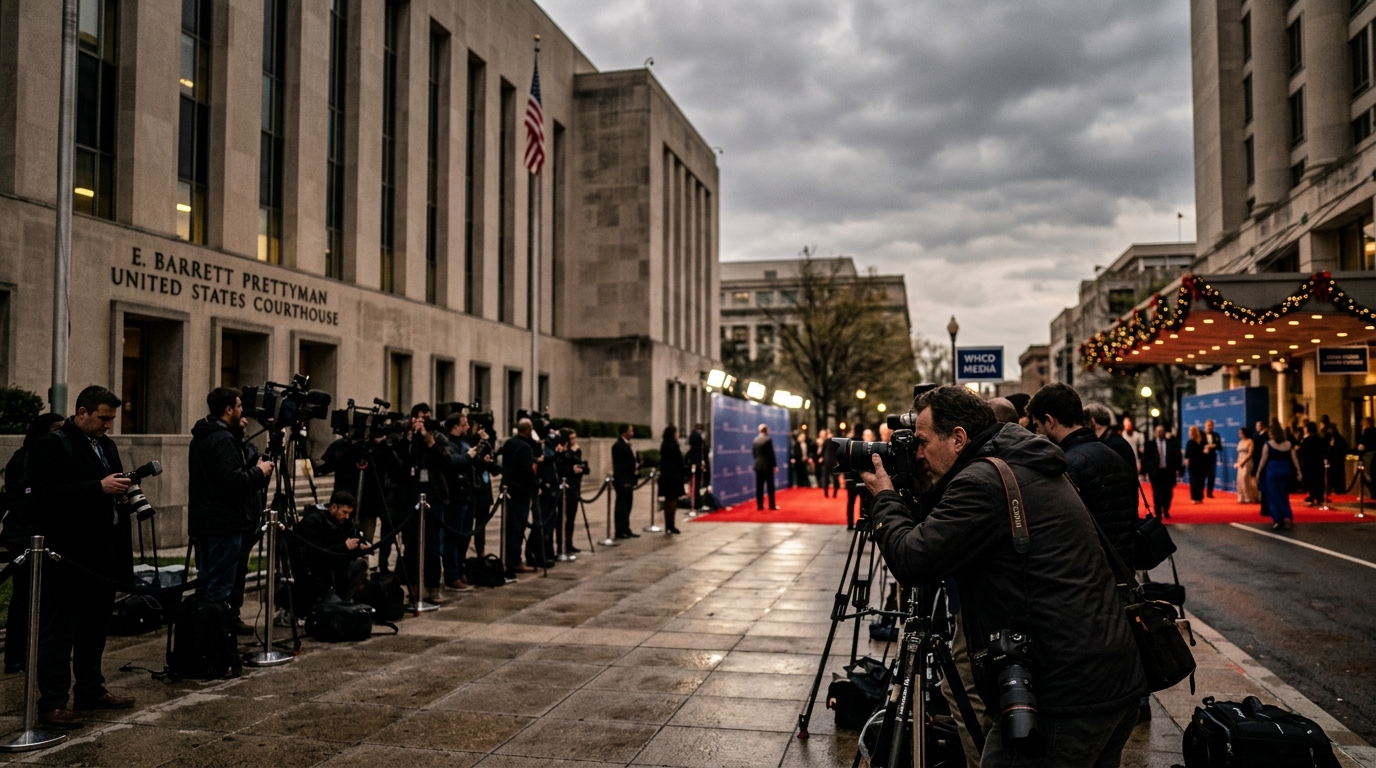
The White House Correspondents' Dinner is a marquee event on the D.C. calendar, typically held at a major hotel in the city, often the Washington Hilton on Connecticut Avenue NW. It's a night meant to celebrate journalism and, often, to poke fun at the political establishment. However, any alleged threat to a former president at such a high-profile gathering immediately escalates security concerns, not just for the individuals involved but for the entire event and its attendees. For D.C. residents, especially those living and working near downtown venues, such incidents highlight the constant security challenges faced by a city that frequently hosts world leaders and national figures. Federal and local law enforcement agencies, including the
Metropolitan Police Department and the Secret Service, are always on high alert, particularly during events like the Correspondents' Dinner. The legal proceedings following such a charge are handled within the
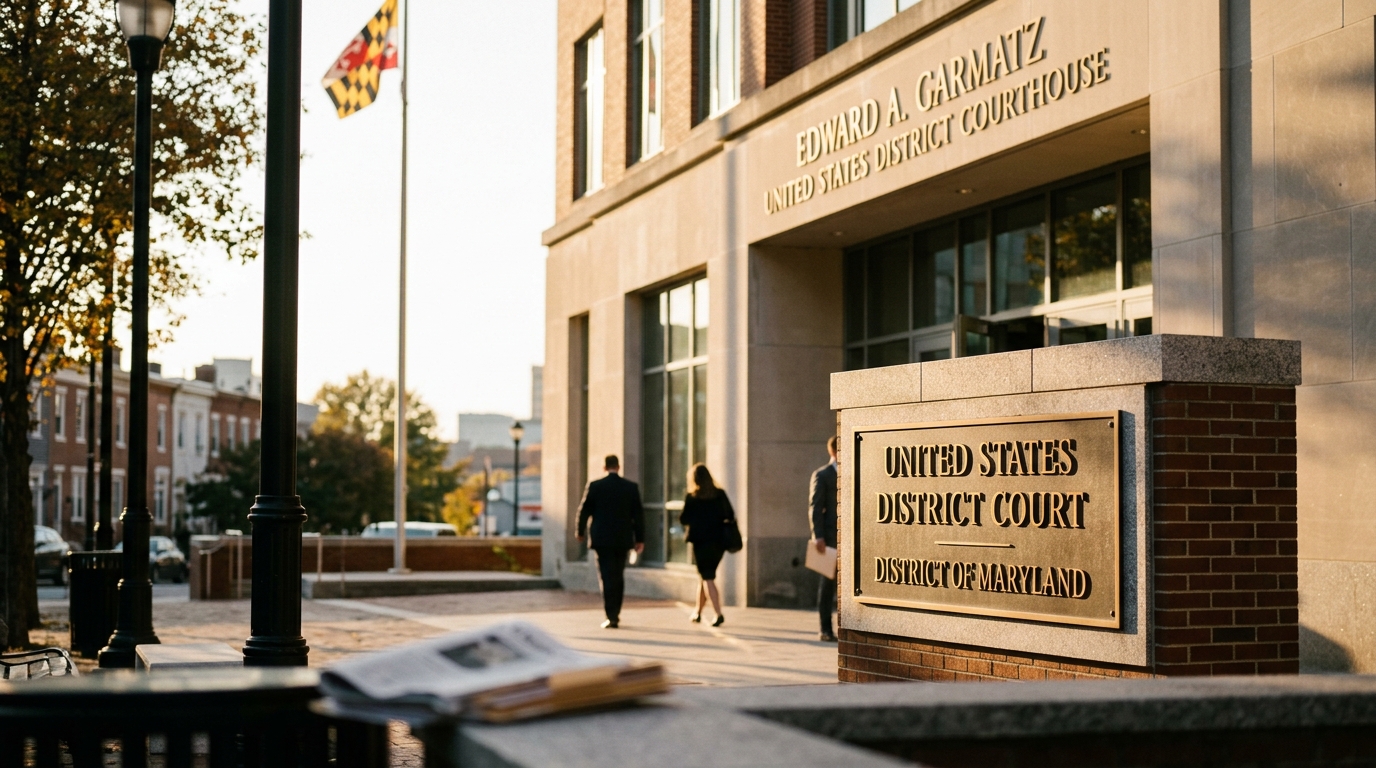
District of Columbia's Superior Court or federal courts, depending on the specifics of the charges and the investigating agencies. While details surrounding the alleged plot and the man's motivations remain sparse, the decision to hold him without bail, or with his agreement, indicates that prosecutors likely view him as a flight risk or a danger to the community. In the District's justice system, judges weigh several factors when determining pre-trial detention, including the nature and circumstances of the offense, the weight of the evidence, the history and characteristics of the person, and the danger the person poses to the community. This case will proceed through various stages, including grand jury indictment, pre-trial motions, and eventually, a trial. The legal process for such a serious charge can be extensive and complex, involving federal prosecutors and potentially a robust defense. The public will be watching closely as more information emerges from the court filings and proceedings. The agreement to remain jailed ensures that the individual will stay in custody as the investigation continues and the trial preparation unfolds. It’s a standard step in high-profile cases where the accused faces severe charges, ensuring accountability and public safety while the legal system runs its course. The D.C. community, accustomed to the presence of powerful figures and the security measures that accompany them, will undoubtedly follow this case as it progresses through the District's judicial system. What happens next will be a matter of ongoing court proceedings. Residents should keep an eye on developments from the
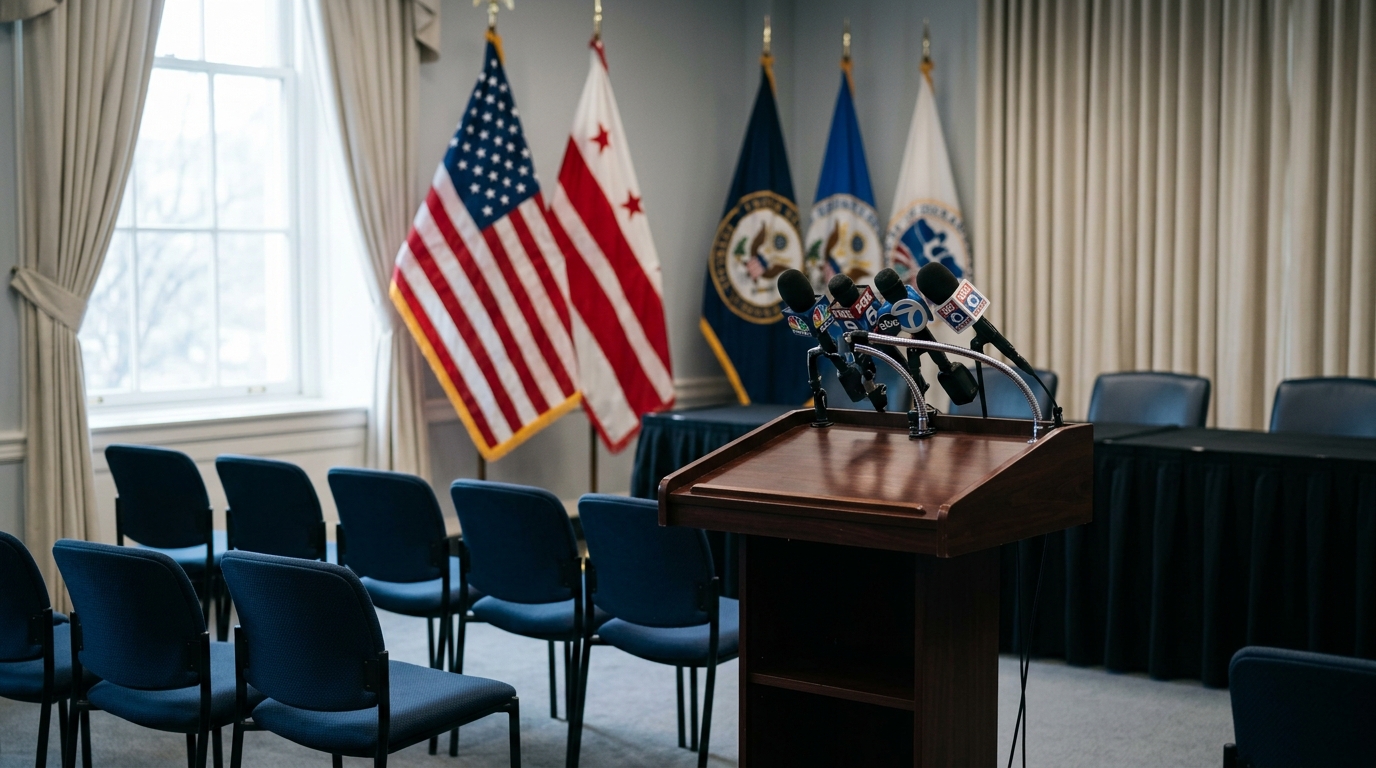
U.S. Attorney's Office for the District of Columbia as this high-stakes case makes its way through the local courts, potentially setting precedents for security protocols at future major events in the nation's capital.