Judge Questions Reported Plan to Close D.C.'s Kennedy Center for Two Years
Share this article
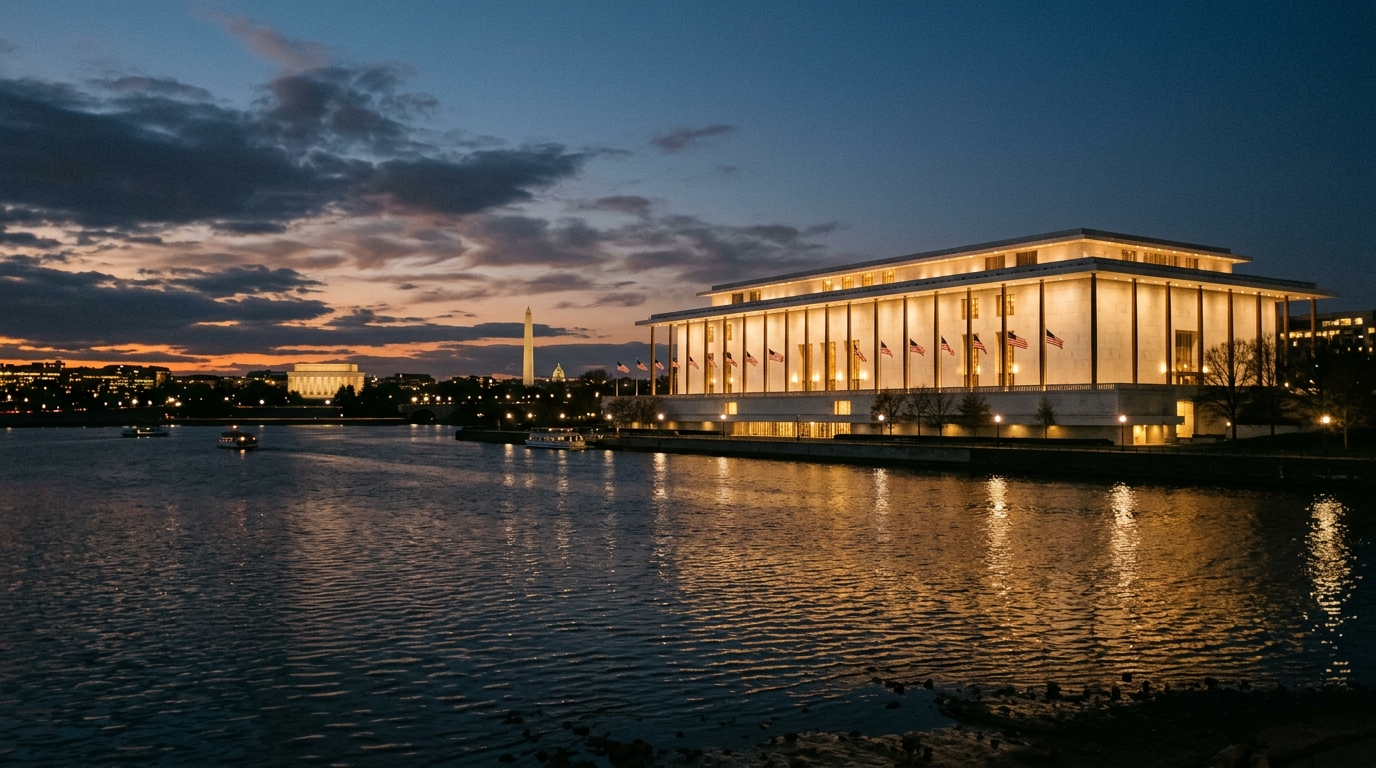
The John F. Kennedy Center for the Performing Arts, a crown jewel of Washington, D.C.'s cultural landscape, could face an unprecedented two-year closure if a reported plan by former President Donald Trump were to proceed. This potential move is now under judicial scrutiny, according to recent reports, raising questions about its feasibility and impact on the DMV's vibrant arts scene and economy.
The news comes from WRAL, indicating a judge has begun to question the parameters and implications of such a plan. While specific details about the judge, the court, or the exact nature of the inquiry remain limited in initial reports, the very notion of a federal cultural institution like the Kennedy Center being shuttered for an extended period has sent ripples through the local community and national arts organizations.
The Kennedy Center: A D.C. Landmark and Cultural Anchor
Standing majestically on the Potomac River, the Kennedy Center isn't just a venue; it's a symbol. Since its opening in 1971, it has served as the national memorial to President John F. Kennedy and a living monument to the performing arts. It hosts a diverse array of performances, from Broadway shows and classical concerts to ballet, opera, and jazz, attracting millions of visitors annually. Beyond its stages, the center is a hub for arts education and community engagement, offering free daily performances on its Millennium Stage and extensive educational programs.
For D.C. residents and the broader DMV area, the Kennedy Center is an integral part of life. It's where families go for holiday shows, where students experience world-class performances, and where many find employment, from stagehands to administrative staff. Its presence also bolsters the local economy, drawing tourists who patronize nearby restaurants, hotels, and other businesses along the Georgetown and Foggy Bottom waterfronts.
Judicial Scrutiny and Its Implications
A judge questioning a plan of this magnitude suggests potential legal challenges or concerns about the authority, process, or impact of such a decision. Federal institutions, especially those established by Congress, typically have specific operational mandates and funding structures that aren't easily altered without due process. A judicial inquiry could delve into whether such a closure aligns with the center's congressional charter, the legality of diverting funds, or the potential breach of contracts with performers, staff, and educational partners.
The judiciary's role in examining executive branch plans acts as a critical check and balance, ensuring that actions taken by government officials adhere to established laws and constitutional principles. For the Kennedy Center, this means a potential legal battle to determine if a two-year closure is permissible under current statutes and if the proposed plan has a sound legal basis.
What a Two-Year Closure Would Mean for the DMV
The prospect of the Kennedy Center closing its doors for two years is a daunting one for the DMV. It would mean a significant void in the region's cultural offerings, impacting thousands of artists, technicians, and administrative staff who rely on the center for their livelihoods. Local businesses, particularly those in hospitality and tourism, would likely feel a substantial economic hit as fewer visitors are drawn to the area for performances.
Moreover, the ripple effect would extend to arts education programs, potentially disrupting learning opportunities for countless students across D.C., Maryland, and Virginia. The absence of a major federal arts institution for such an extended period could also diminish the region's standing as a global cultural capital.
The Kennedy Center's official website provides a glimpse into its extensive programming and educational outreach, highlighting the sheer volume of cultural activity that would cease. Any plan to close it would undoubtedly face strong opposition from arts advocates, community leaders, and the public.
Looking Ahead: What DMV Residents Should Watch For
As this judicial inquiry unfolds, DMV residents should pay close attention to updates from the courts, the Kennedy Center's leadership, and federal authorities. Key questions include the specific legal grounds for the judge's questioning, any public statements from former President Trump or his representatives regarding the plan, and the potential timeline for any legal proceedings.
The future of one of D.C.'s most iconic institutions hangs in the balance, and its fate will have a profound impact on the cultural heart of our region. For more information on federal court proceedings, residents can visit the United States Courts website.
Explore more on this topic
Related Stories

Fairfax County Public Schools' Federal Funding Lawsuit Revived by Appeals Court
An appeals court has revived Fairfax County Public Schools' lawsuit against the U.S. Department of Education, challenging the withholding of federal funds over the district's policies supporting transgender students. This decision sends the case back to a lower court, marking a critical step for FCPS in its fight to restore millions in federal aid.
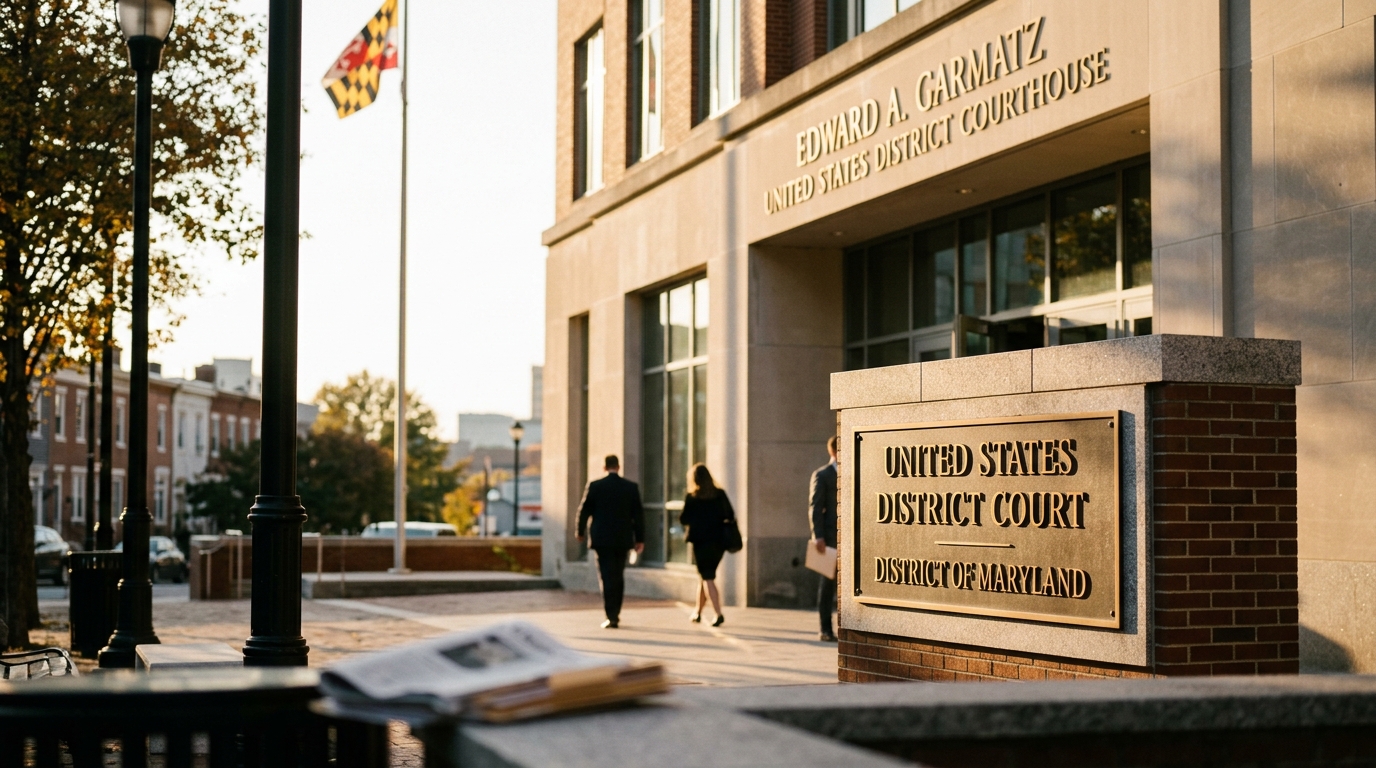
Federal Judge Rejects Maryland Attorney General's Bid for ICE Records on Baltimore Facility
A federal judge has rejected the Maryland Attorney General's bid to obtain records from an ICE detention facility in Baltimore, marking a setback for state-level transparency efforts into federal immigration operations within Maryland.
D.C. Council Member Trayon White Seeks Acquittal in Federal Bribery Case After Mistrial
A federal judge will decide whether to acquit D.C. Council member Trayon White in his bribery case after a mistrial, or allow prosecutors to pursue a retrial. The Ward 8 representative's legal team argues for dismissal, while prosecutors point to recorded evidence.