Injured Bald Eagle Soars Free in Fairfax County After Months of Recovery
Share this article
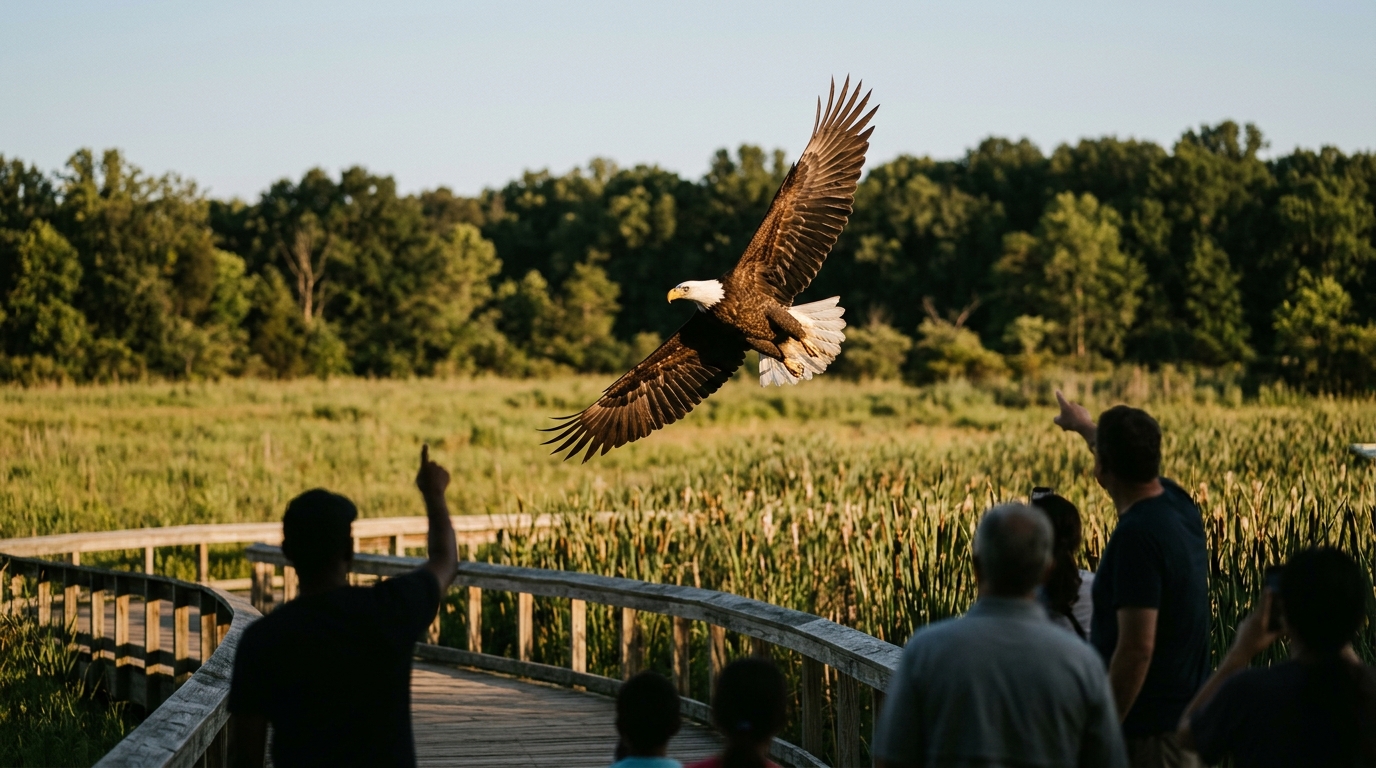
A Symbol's Return to the Potomac Watershed
The bald eagle, America's national bird, holds a special place in the hearts of many, symbolizing freedom and strength. Its presence in the DMV, particularly along the Potomac River and its tributaries, is a testament to decades of conservation work. These birds, once teetering on the brink of extinction due to habitat loss and pesticide use, have made a remarkable comeback, with their numbers steadily increasing across the country and right here in Virginia.The Long Road to Recovery: Months of Dedicated Care
The journey back to the wild for an injured eagle is never a short one. The Virginia Department of Wildlife Resources (DWR), alongside various wildlife rehabilitation centers, works tirelessly to rescue, treat, and rehabilitate thousands of animals each year. While the specifics of this eagle's injury and the facility that provided its care were not detailed in the initial report, the mention of "months of rehab" paints a clear picture of the extensive commitment involved. Wildlife rehabilitation involves a complex process, often beginning with the rescue of an injured or orphaned animal by concerned citizens or animal control officers. Once at a licensed facility, veterinarians and trained staff assess the animal's condition, treat injuries, and provide specialized diets. For a bird as large and powerful as a bald eagle, rehabilitation can be particularly challenging, requiring large enclosures for flight conditioning and careful monitoring to ensure it can hunt and survive independently upon release. This extensive care ensures that when an eagle is finally ready to return to the wild, it has the best possible chance of survival. It’s a labor of love, often fueled by volunteers and donations, reflecting a community's shared commitment to protecting its natural heritage.Fairfax County's Role in Regional Conservation
Fairfax County, with its extensive park system, natural areas, and proximity to the Potomac River, serves as a vital habitat for a diverse array of wildlife, including bald eagles. The county's commitment to preserving green spaces and managing natural resources directly contributes to the success of species like the bald eagle. Residents often play a crucial role in these efforts, from reporting injured wildlife to supporting local conservation initiatives. The successful release of this eagle is a powerful reminder that our actions, both individually and collectively, have a direct impact on the health and vitality of our local ecosystems. It highlights the interconnectedness of urban development and natural preservation, a constant balancing act in a rapidly growing region like the DMV. Looking ahead, residents in Fairfax County and beyond can continue to support wildlife by maintaining clean environments, being mindful of their impact on natural habitats, and reporting any injured or distressed animals to the proper authorities. This eagle’s flight back to freedom is more than just a single event; it's a beacon of hope for ongoing conservation and a call to action for everyone who calls the DMV home to protect its wild wonders.📍 Local Resources
Responsible for wildlife management and conservation in Virginia. Provides resources for reporting injured wildlife.
Responds to calls regarding injured or distressed animals within Fairfax County.
Advocates for wildlife conservation and provides educational resources for protecting local ecosystems.
Explore more on this topic
Related Stories
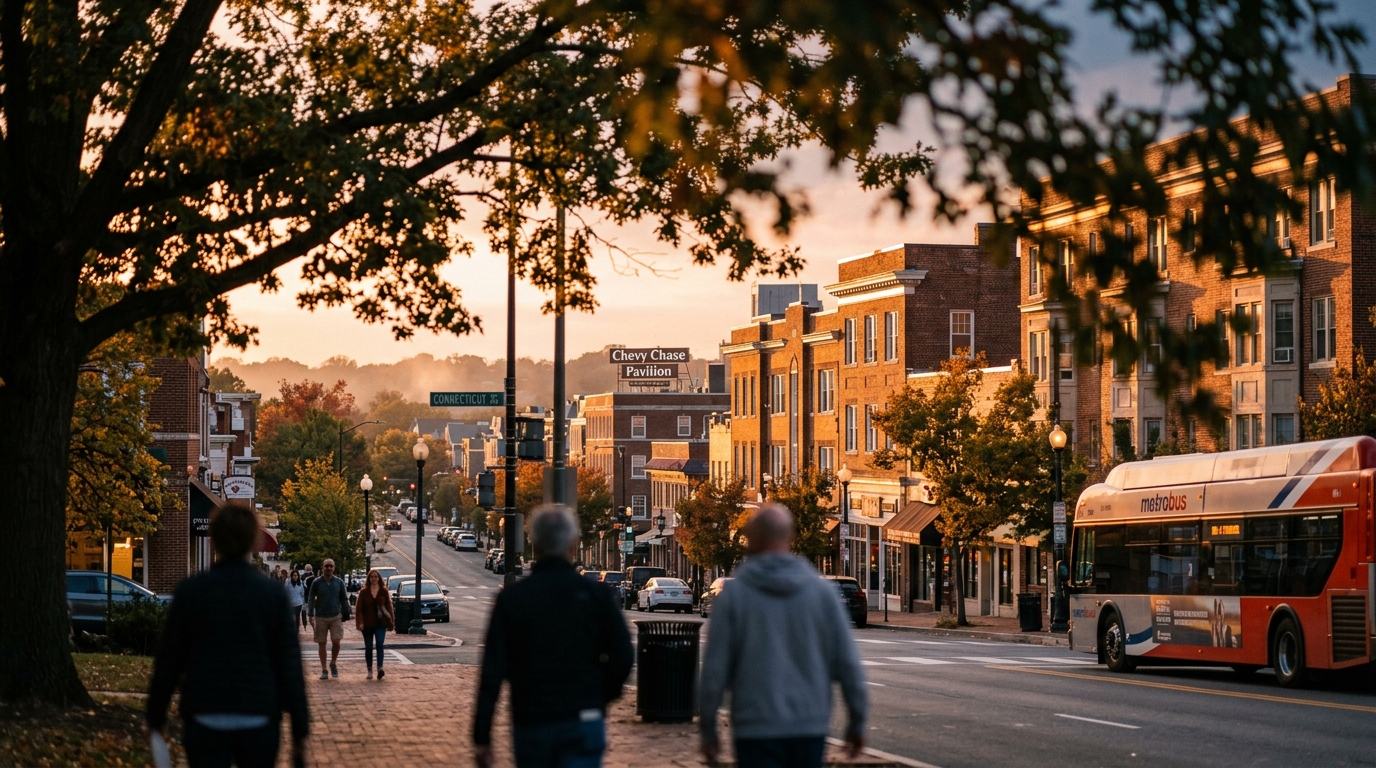
DMV Cheers as News4 Veteran Tony Perkins Receives Ed Walker Lifetime Achievement Award
News4's Tony Perkins, a long-standing and beloved figure in DMV broadcasting, has been honored with the prestigious Ed Walker Lifetime Achievement Award. This recognition celebrates his decades of significant contributions to local television, cementing his legacy alongside other regional media legends.
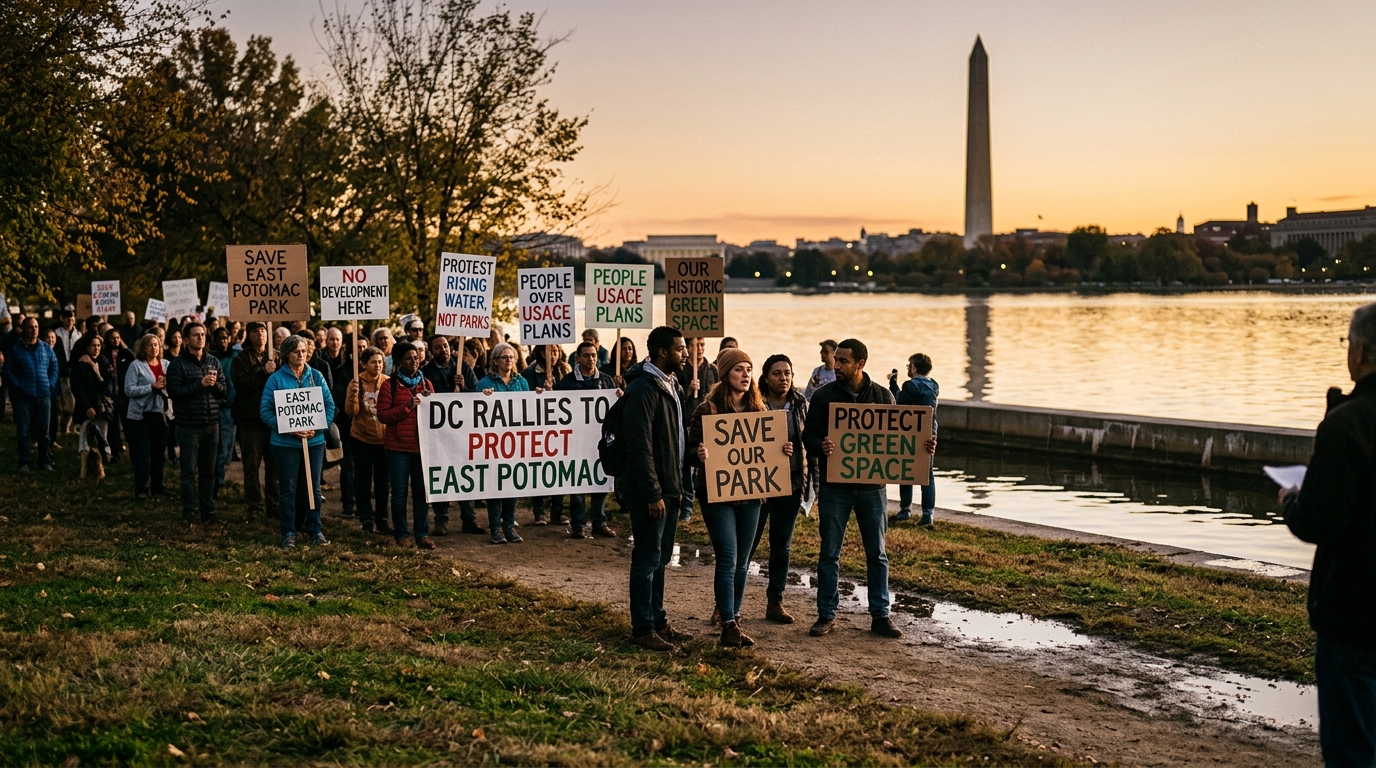
DC Residents Rally to Save East Potomac Park from Development and Rising Waters
DC residents rallied at East Potomac Park, protesting U.S. Army Corps of Engineers proposals that threaten to reduce green space and public access, amidst concerns about rising sea levels impacting the historic urban oasis.