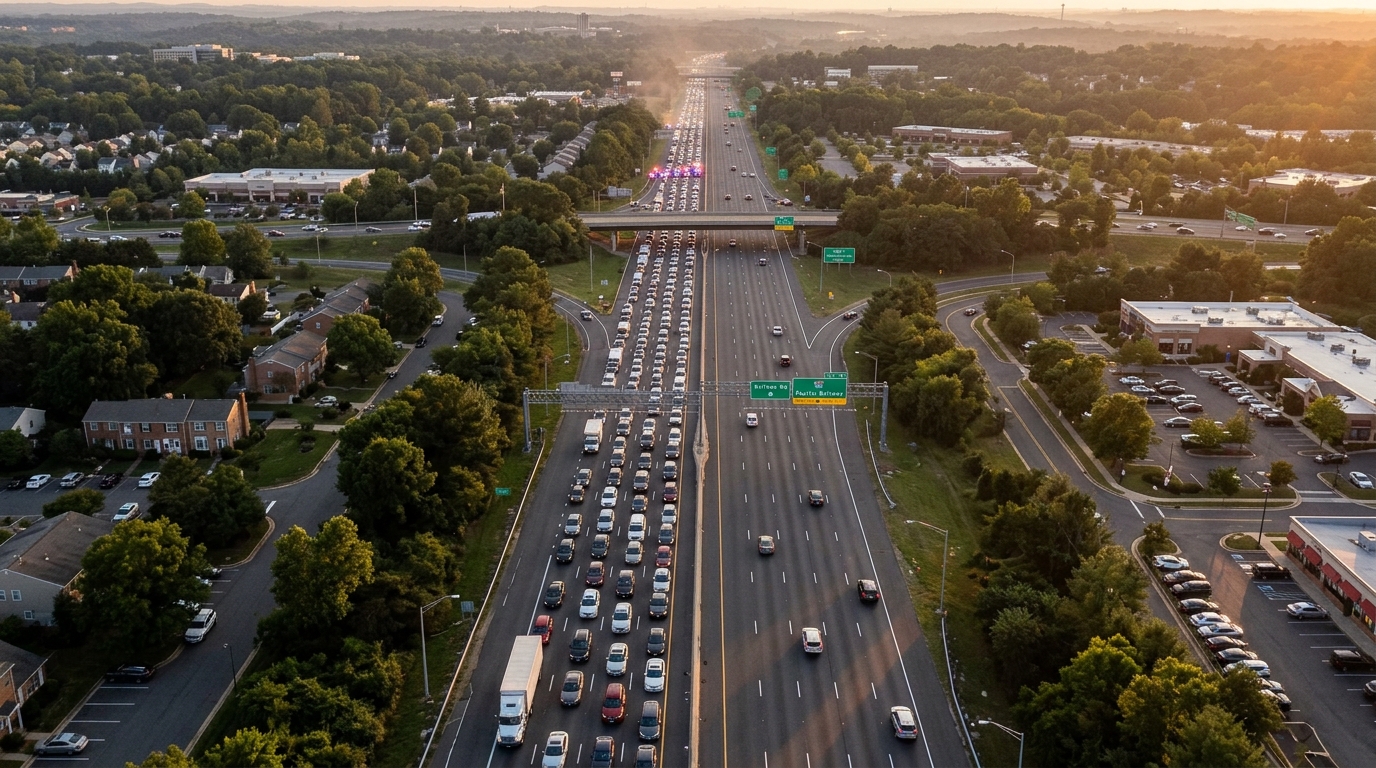
A critical artery for thousands of daily commuters in Northern Virginia experienced significant disruption following a fatal crash on I-66 near Gallows Road in Fairfax County. The incident led to the shutdown of a portion of the interstate, creating immediate traffic challenges for drivers navigating one of the region's busiest corridors. While specific details surrounding the crash remain limited, its impact underscored the fragility of the DMV's transportation network and the profound consequences of such tragic events. I-66 serves as a vital east-west link, connecting Washington, D.C., and its inner suburbs with communities stretching deep into Northern Virginia, including Gainesville, Manassas, and Front Royal. For many, it's the indispensable route for reaching employment centers in Fairfax, Arlington, and the nation's capital. The segment near Gallows Road is particularly complex, situated amidst dense commercial and residential areas, and close to major interchanges that funnel traffic from routes like I-495 (the Capital Beltway) and Route 29 (Lee Highway). This confluence of factors means that any significant incident on this stretch can quickly cascade into widespread congestion across the local road network. The immediate aftermath of a fatal crash on such a heavily trafficked roadway is always a complex operation, involving multiple agencies working to secure the scene, attend to any injured, and begin the painstaking process of investigation. Virginia State Police, often the primary investigating body for incidents on state highways, would typically lead such an effort. Their work is critical not only for determining the cause of the crash but also for ensuring public safety and managing the flow of traffic around the affected area.
I-66 carries hundreds of thousands of vehicles daily, making disruptions near key interchanges like Gallows Road reverberate across the Northern Virginia commuting landscape.
When a portion of I-66 is shut down, even for a short period, the ripple effects are immediate and far-reaching. Drivers accustomed to predictable routes find themselves scrambling for alternatives, often overwhelming secondary roads like Route 50 (Arlington Boulevard) and Route 29. Local streets in communities like Merrifield, Dunn Loring, and Vienna quickly become gridlocked as commuters attempt to bypass the closure. This not only adds significant time to travel but also poses challenges for local emergency services trying to navigate congested streets. For many, the unexpected delays mean missed appointments, late arrivals to work or school, and general frustration with an already stressed infrastructure. The decision to shut down a major interstate like I-66 isn't made lightly. It’s a necessary step to protect emergency responders and investigators working at the scene, as well as to prevent secondary collisions. In cases involving fatalities, the scene must be preserved meticulously for forensic examination, which can take several hours, depending on the complexity of the incident. This thoroughness, while crucial for justice and understanding, inevitably prolongs the disruption for travelers. The Virginia Department of Transportation (VDOT) plays a key role during these events, deploying message boards, updating traffic apps, and coordinating with law enforcement to guide drivers and provide real-time information. The human toll of a fatal crash extends far beyond traffic delays. For the families and friends of those involved, it represents an unimaginable tragedy. Each such incident serves as a stark reminder of the inherent risks on our roadways and the importance of vigilant, safe driving practices. While the specific circumstances of this crash near Gallows Road are under investigation, fatal collisions often stem from factors such as distracted driving, speeding, impaired driving, or failure to obey traffic laws. Virginia State Police consistently emphasize the need for drivers to focus on the road, maintain safe speeds, and avoid any behaviors that could jeopardize their safety or the safety of others. Fairfax County, as one of the most populous jurisdictions in Virginia, experiences a high volume of traffic incidents annually. The county's extensive road network, combined with its role as a major employment hub, means that its residents are frequently impacted by crashes, both minor and severe. Local government and transportation planners continuously work to enhance road safety through infrastructure improvements, public awareness campaigns, and coordination with state agencies. However, the sheer volume of vehicles on the roads means that incidents, unfortunately, remain a persistent challenge. For residents and commuters in Fairfax County and the wider DMV region, incidents like the fatal crash on I-66 are a potent reminder to stay informed about road conditions. Services like 511 Virginia provide real-time traffic updates via phone, website, and mobile app, offering invaluable information on closures, delays, and alternative routes. Tuning into local news and radio stations can also provide timely alerts that help drivers adjust their plans before getting caught in gridlock. Being prepared with knowledge of secondary routes, or considering public transit options like the Metro, can help mitigate the impact of unexpected road closures. As investigations proceed into the specifics of this fatal crash, the community will await further details from authorities. Such incidents often lead to calls for increased safety measures or greater enforcement, but they also highlight the individual responsibility each driver bears for road safety. The memory of those lost in such tragedies serves as a somber reminder for all who share the road to prioritize caution and respect for human life. Moving forward, residents should continue to monitor local traffic advisories, particularly during peak commuting hours, and remain aware of their surroundings on the road. The ongoing efforts of law enforcement and transportation agencies are crucial, but collective vigilance from every driver is perhaps the most effective tool in preventing future tragedies on critical routes like I-66.
📍 Local Resources
511 Virginia - Traffic Information
Real-time traffic information for Virginia roadways, including incidents, construction, and estimated travel times.