Fairfax County Eyes State Support for Housing and Tax Reform in 2027 General Assembly Session
Share this article

Shifting the Funding Burden
At the heart of Fairfax County's legislative agenda for 2027 is a fundamental call for the Commonwealth of Virginia to increase its share in funding crucial local services. For years, localities across Northern Virginia, including Fairfax, have largely relied on local property and sales taxes to support schools, public safety, transportation, and other vital community programs. This model often places a disproportionate financial strain on local residents, who face some of the highest housing costs and tax bills in the state. The county's position highlights a belief that a greater state investment in these areas would not only alleviate the burden on local taxpayers but also ensure a more consistent and robust funding stream for services that benefit all Virginians, regardless of where they reside. This isn't just about money; it's about a philosophical shift in how essential services are funded across the Commonwealth. When the state contributes more, it can free up local funds for other pressing needs or, ideally, allow for a reduction in local tax rates.Addressing Northern Virginia's Housing Crisis
Housing affordability remains a critical concern for families and individuals trying to make a life in Fairfax County. With soaring rents and home prices, many residents find themselves stretched thin, and essential workers struggle to live where they work. This persistent challenge has driven Fairfax County to prioritize housing reform as a key ask from the General Assembly. The specific reforms the county will propose aren't detailed in the initial announcement, but generally, legislative efforts in this area often seek to expand affordable housing options, streamline development processes, and potentially introduce new funding mechanisms for housing initiatives. State-level action could involve grants for affordable housing projects, changes to zoning laws to encourage denser development near transit hubs, or incentives for developers to include affordable units in new construction. Fairfax County, with its extensive network of communities ranging from urban centers like Reston and Tysons to more suburban areas, sees state partnership as essential to creating a more diverse and accessible housing market for everyone. For context on statewide housing efforts, the Virginia Department of Housing and Community Development provides resources and information on various programs aimed at improving housing conditions across the state.Seeking Tax Reform for Equity and Stability
Beyond housing, Fairfax County is also advocating for significant tax reform. The current tax structure in Virginia, particularly its impact on localities, is a frequent topic of debate. Local governments often find themselves with limited flexibility to generate revenue outside of property taxes, which can be regressive and disproportionately affect lower and middle-income homeowners. The county’s push for tax reform likely encompasses a desire for legislative changes that would grant localities greater authority over their revenue streams or introduce new state-level taxes that could be shared with local jurisdictions. This could mean exploring options to diversify revenue sources, reduce the reliance on property taxes, or adjust state aid formulas to better reflect the needs and economic contributions of populous, high-growth areas like Fairfax County. Any meaningful tax reform would need careful consideration from the Virginia Department of Taxation to ensure fairness and economic viability across the Commonwealth. The goal is to create a more stable and equitable financial foundation for the county, allowing it to continue providing high-quality services without continuously increasing the financial load on its residents.The Legislative Process and Local Influence
Getting legislative priorities through the Virginia General Assembly is a complex and often lengthy process. Fairfax County, as the most populous jurisdiction in Virginia, wields significant influence, but success requires careful coalition-building and advocacy. The county's legislative team, along with its elected officials, will spend the months leading up to the 2027 session engaging with state delegates and senators, explaining the specific needs of Fairfax County residents, and building support for their proposals. This engagement typically involves presenting detailed economic analyses, sharing resident testimonials, and collaborating with other Northern Virginia jurisdictions that often face similar challenges. The legislative session itself, which convenes annually in Richmond, is a whirlwind of committee meetings, floor debates, and negotiations. For residents interested in how state laws are made, the Virginia General Assembly website offers a wealth of information on bills, committees, and legislative proceedings. The county's ability to articulate a clear vision for how state action can directly benefit its community will be crucial in turning these priorities into tangible legislative outcomes.What This Means for Fairfax County Residents
For the roughly 1.1 million people who call Fairfax County home, these legislative priorities directly impact their daily lives and pocketbooks. If the county is successful in shifting more of the funding burden to the state, it could potentially lead to more stable local tax rates, improved public services, and a more robust approach to addressing the region's housing crisis. The outcome of the 2027 General Assembly session could determine how affordable it is to live here, the quality of schools, and the efficiency of public transportation for years to come. Residents should pay close attention as these discussions unfold. Engaged citizenship, whether through contacting local representatives or staying informed about legislative developments, plays a vital role in shaping the future of Fairfax County. The county's proactive approach signals a clear intent to advocate fiercely for its community's needs on the state level.📍 Local Resources for Fairfax County Residents
Official portal for all county services, including tax information, housing programs, and legislative updates.
Provides information on affordable housing programs, rental assistance, and homeownership opportunities.
Offers legal assistance for low-income individuals on issues including housing, tenant rights, and public benefits.
Explore more on this topic
Related Stories

Fairfax County Moves Forward with Centreville Library and Affordable Housing Project
Fairfax County has transferred the Centreville Regional Library site to its housing authority, paving the way for a mixed-use development combining a renovated library with new affordable housing units. This move follows extensive community input and aims to address both public service modernization and housing needs in Centreville.
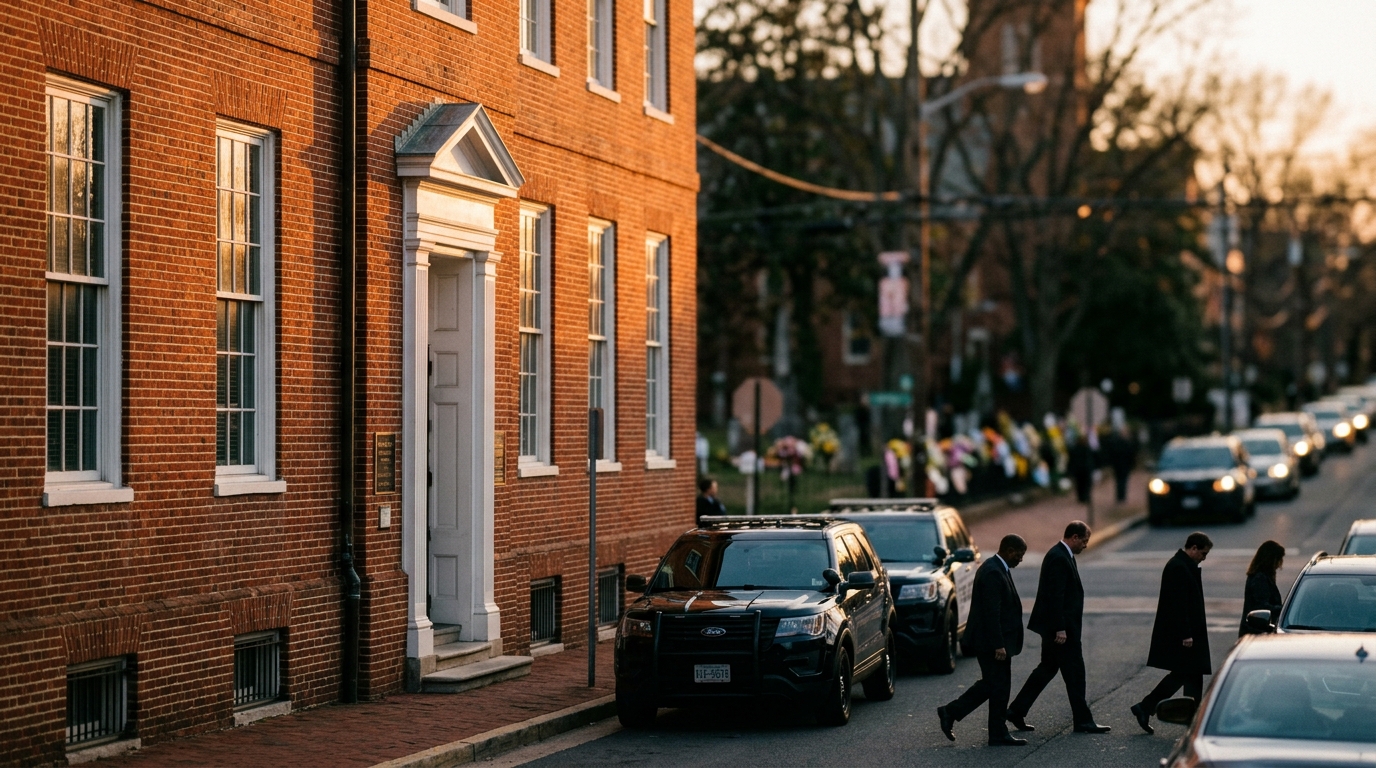
Husband Accused in Real Estate Agent's Death Extradited to Virginia on Day of Her Funeral
A husband accused of killing his real estate agent wife was extradited to Virginia on the day of her funeral, intensifying the tragedy for her grieving family and the local community.

Navigating Washington DC's Tricky Rental Property Rules: What Landlords and Tenants Need to Know
Navigating Washington D.C.'s strict rental property regulations is a significant challenge for landlords and property managers. Understanding the complex legal requirements and administrative steps is crucial to avoid costly issues and ensure compliant operations, benefiting both property owners and tenants across the District.