Navigating Washington DC's Tricky Rental Property Rules: What Landlords and Tenants Need to Know
Share this article

The Complex Web of DC Housing Regulations
Washington, D.C., is known for its robust tenant protections and stringent property standards, designed to ensure safe and fair housing for its residents. These regulations cover a wide array of aspects, including lease agreements, rent control, eviction procedures, and mandatory housing code inspections. For landlords, this means a constant need for vigilance and a deep understanding of local ordinances. The sheer volume of requirements can be overwhelming. Property owners aren't just dealing with federal housing laws; they're also navigating a dense thicket of District-specific statutes and administrative codes. This includes everything from obtaining proper business licenses and housing endorsements to adhering to lead-based paint disclosure rules and ensuring properties meet specific habitability standards. Falling short on any of these can trigger fines, legal disputes, and even the inability to collect rent legally. The DC Department of Housing and Community Development (DHCD) offers numerous resources, but even accessing and understanding them requires significant effort.Why Compliance Isn't Optional
For rental property owners, compliance isn't merely about avoiding penalties; it's about protecting their investment and fostering a stable living environment for tenants. Non-compliance can manifest in various ways, from improperly drafted leases that leave landlords vulnerable to disputes, to neglected maintenance issues that escalate into costly repairs and tenant complaints. The administrative steps alone, such as timely registration with the DC Department of Buildings' Rental Housing Division, can be time-consuming but are critical for legal operation.Proactive Management for a Smoother Process
The consensus among experienced property managers in the District is that being proactive and informed is the best defense against regulatory pitfalls. Instead of reacting to problems, understanding the legal framework *before* issues arise can save immense time, money, and stress. This involves not just a cursory glance at the rules but a thorough, ongoing education about D.C.'s evolving housing laws. This proactive approach includes regular property inspections, staying current on all licensing and registration renewals, and having a clear understanding of tenant rights and responsibilities. It also means building relationships with reliable contractors for maintenance and repairs, and having clear communication channels with tenants. Organizations like the Office of the Tenant Advocate (OTA) provide critical information for tenants, emphasizing the importance of both parties understanding their roles.What This Means for DC Residents
For Washington, D.C., residents, the stringent rental compliance standards create a unique landscape. Tenants benefit from some of the strongest protections in the nation, ensuring their living conditions are up to par and their rights are upheld. On the flip side, landlords face a significant burden of responsibility, requiring careful attention to detail and a commitment to ongoing education about D.C.'s specific requirements. This dynamic means that both landlords and tenants in neighborhoods from Columbia Heights to Capitol Hill need to be well-versed in their rights and obligations. A compliant landlord offers peace of mind to their tenants, knowing their property meets safety and health codes. Conversely, informed tenants can better advocate for themselves and ensure their landlords adhere to the law. As the D.C. housing market continues to evolve, staying informed about these regulations isn't just good practice; it's essential for a stable and equitable rental ecosystem.📍 Local Resources
Provides resources and programs for housing, including landlord-tenant information and housing code enforcement.
Offers free legal services, advice, and information to D.C. tenants on their rights and responsibilities.
Handles rental housing business licenses, inspections, and enforcement of housing codes for rental properties.
Explore more on this topic
Related Stories
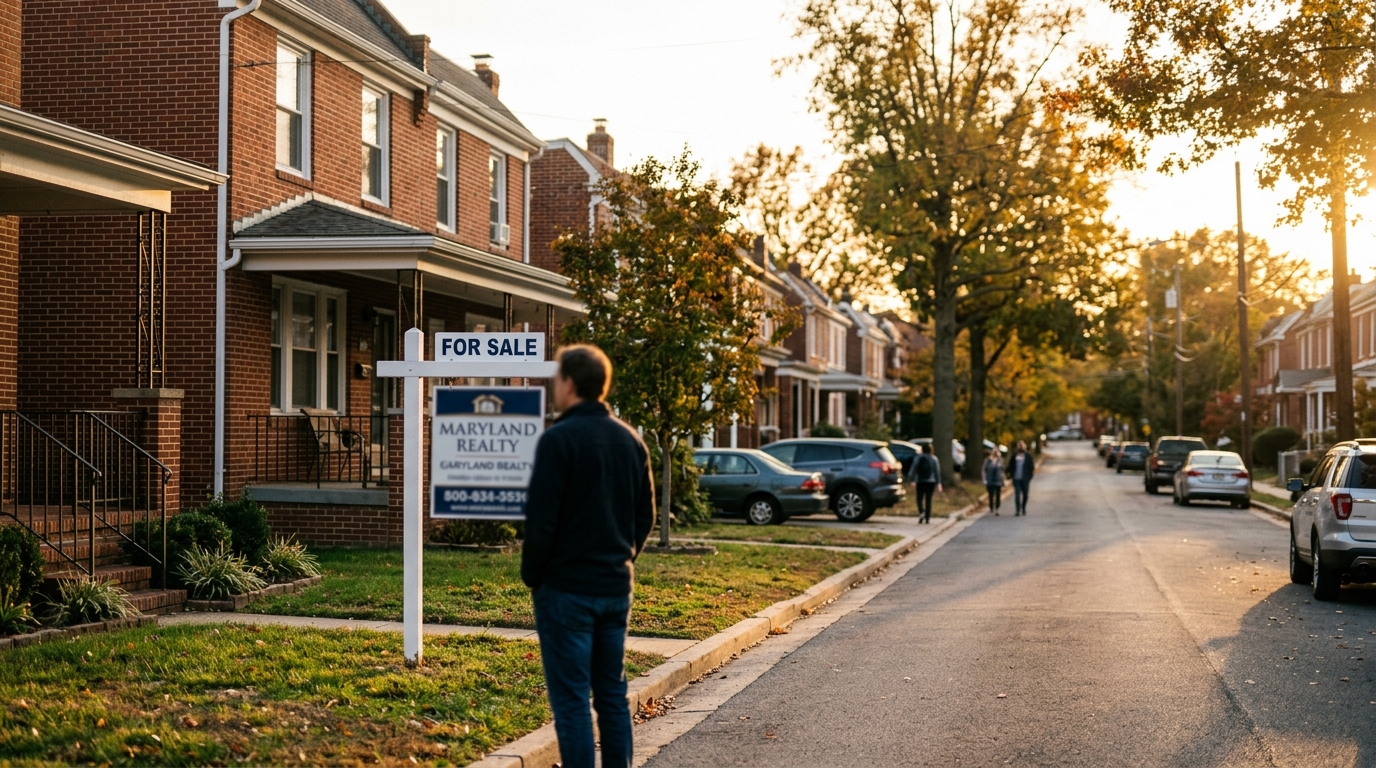
Maryland's Rising Housing Costs Push Thousands into Poverty, New Study Reveals

Governor Moore Eyes Modular "Lego-Style" Homes to Tackle Maryland's Housing Crunch
Governor Wes Moore is reportedly exploring modular, "Lego-style" housing as a potential solution to Maryland's ongoing housing shortage. This initiative aims to leverage factory-built construction to create more affordable and accessible homes across the state.
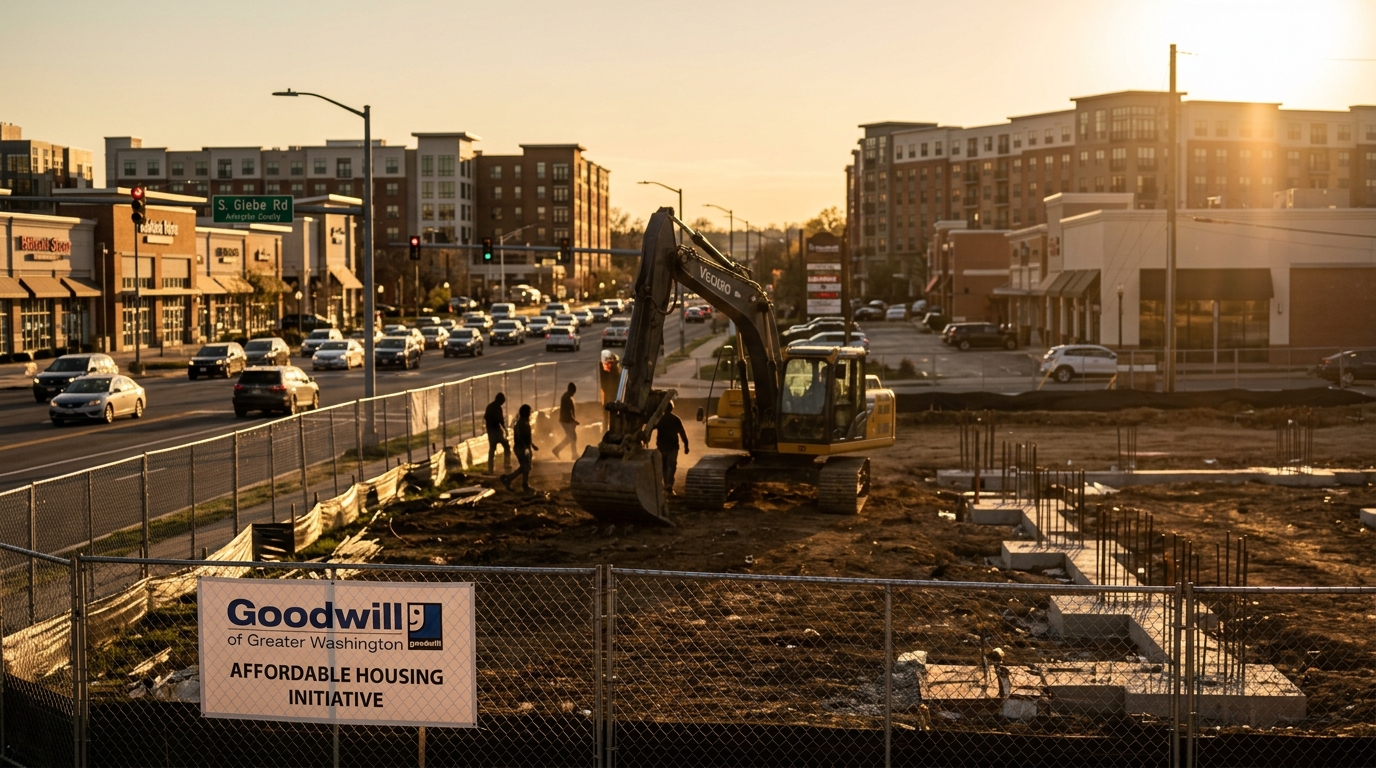
Demolition Complete: Construction Kicks Off for Goodwill's Mixed-Use Affordable Housing on S. Glebe Road in Arlington
Demolition is complete at 10 S. Glebe Road in Arlington, paving the way for construction to begin on Goodwill's new mixed-use development featuring retail and much-needed affordable housing.