Community
Fairfax County
Fairfax City Planners Split on Major Mixed-Use Proposal Near Judicial Complex
Share this article
Advertisement
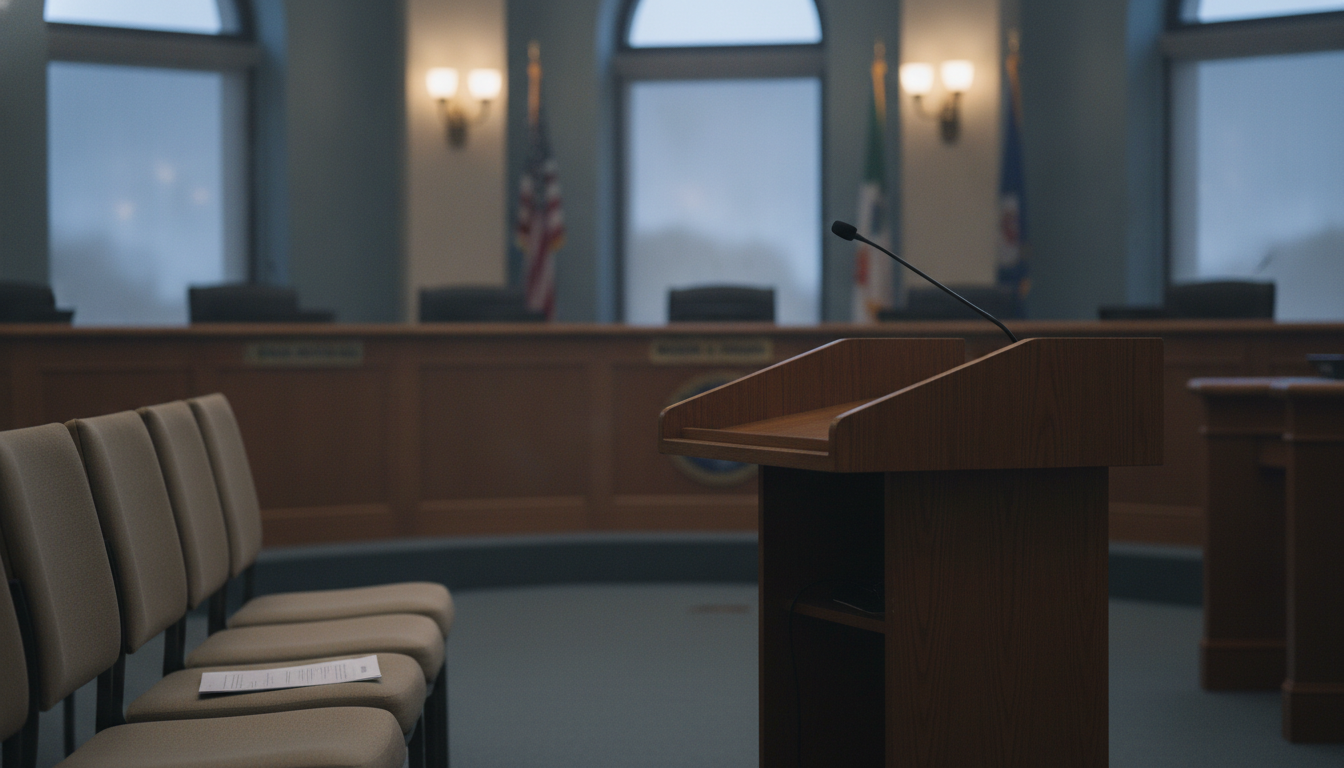
The future skyline near Fairfax County's bustling judicial complex just got a little murkier, as the Fairfax City Planning Commission found itself at an impasse regarding a significant mixed-use development proposal. Commissioners couldn't reach a consensus, leaving the project's immediate path forward unclear and highlighting the complexities of urban growth in the heart of the DMV. At their recent meeting, the Fairfax City Planning Commission tackled a plan to transform existing office buildings into a dynamic mixed-use space [1]. This isn't just any parcel of land; it's situated right near the powerful engines of justice at the Fairfax County courthouse, an area ripe for redevelopment but also fraught with concerns about traffic, density, and community character.
The Fairfax City Planning Commission was split on a proposal to redevelop office buildings near Fairfax County’s courthouse into a mixed-use development. A motion to recommend denying the project failed.
The core of the issue was a motion to recommend denying the project outright. However, that motion ultimately failed, indicating a deep division among the commissioners. A deadlock like this means that while there wasn't enough support to halt the project at this stage, there wasn't a clear endorsement either. It’s a classic planning predicament: how to balance the need for new housing and commercial spaces with existing infrastructure and resident concerns. ### The Proposal at a Glance While specific details about the number of residential units or commercial square footage were not immediately available, the proposal centers on redeveloping current office buildings into a mixed-use format. Mixed-use developments are a common strategy in urban planning across the DMV, aiming to create vibrant, walkable communities where people can live, work, and shop within close proximity. These projects often include a combination of retail, office, and residential spaces, designed to foster a more dynamic urban environment. The location, near the Fairfax County Judicial Complex, adds another layer of significance. This area is a hub of activity, drawing thousands of people daily for court proceedings, legal services, and related businesses. Any major development here has ripple effects on traffic patterns, public transit usage, and the overall feel of downtown Fairfax City. ### What a Deadlock Means for Fairfax City For residents of Fairfax City, particularly those living near the judicial complex, this deadlock means continued uncertainty about a potentially transformative project. When a planning commission splits on a decision, it often signals that the proposal will move forward to the next stage – typically the City Council – without a clear recommendation from the planning body. This can make the City Council's decision-making process more challenging, as they won't have the unified guidance that a clear "recommend approval" or "recommend denial" would provide. The failure of the motion to deny doesn't mean the project is approved; it simply means the commission couldn't agree to stop it. This kind of outcome often leads to more intense scrutiny and debate at the City Council level, where the final say on such developments ultimately rests. Developers, too, face a tougher road, needing to address persistent concerns that prevented a consensus at the commission level. ### Broader Implications for Urban Development in Virginia Across Virginia, and especially in the densely populated DMV corridor, cities like Fairfax are grappling with how to manage growth while preserving community character. Mixed-use developments are seen by many as a key part of the solution to housing shortages and the desire for more sustainable, less car-dependent lifestyles. However, they frequently face pushback over concerns about increased traffic congestion, strain on public services, and changes to neighborhood aesthetics. The Virginia Department of Housing and Community Development often provides guidance and resources for localities navigating these complex planning challenges. Each city, however, must tailor its approach to its unique circumstances and community priorities. The Fairfax City Planning Commission's recent deadlock underscores the delicate balance involved in urban planning. It’s a testament to the passionate, often divergent, viewpoints that arise when a city tries to shape its future. What happens next will be closely watched by developers, residents, and local officials alike as the proposal makes its way through Fairfax City's civic process. Residents should keep an eye on upcoming Fairfax City Council agendas for further discussion and potential action on this significant project.Advertisement
Explore more on this topic
Related Stories

Community
DMV Gamers Unleash on Grand Theft Auto VI: Tysons Enthusiast Among Many Diving Into Massive Release
Fairfax County·Community
After a 13-year wait, *Grand Theft Auto VI* has finally launched, sparking immense excitement among DMV gamers, including those in Tysons, Virginia, and drawing insights from American University experts on its massive industry impact.
about 10 hours ago5 min read
Community
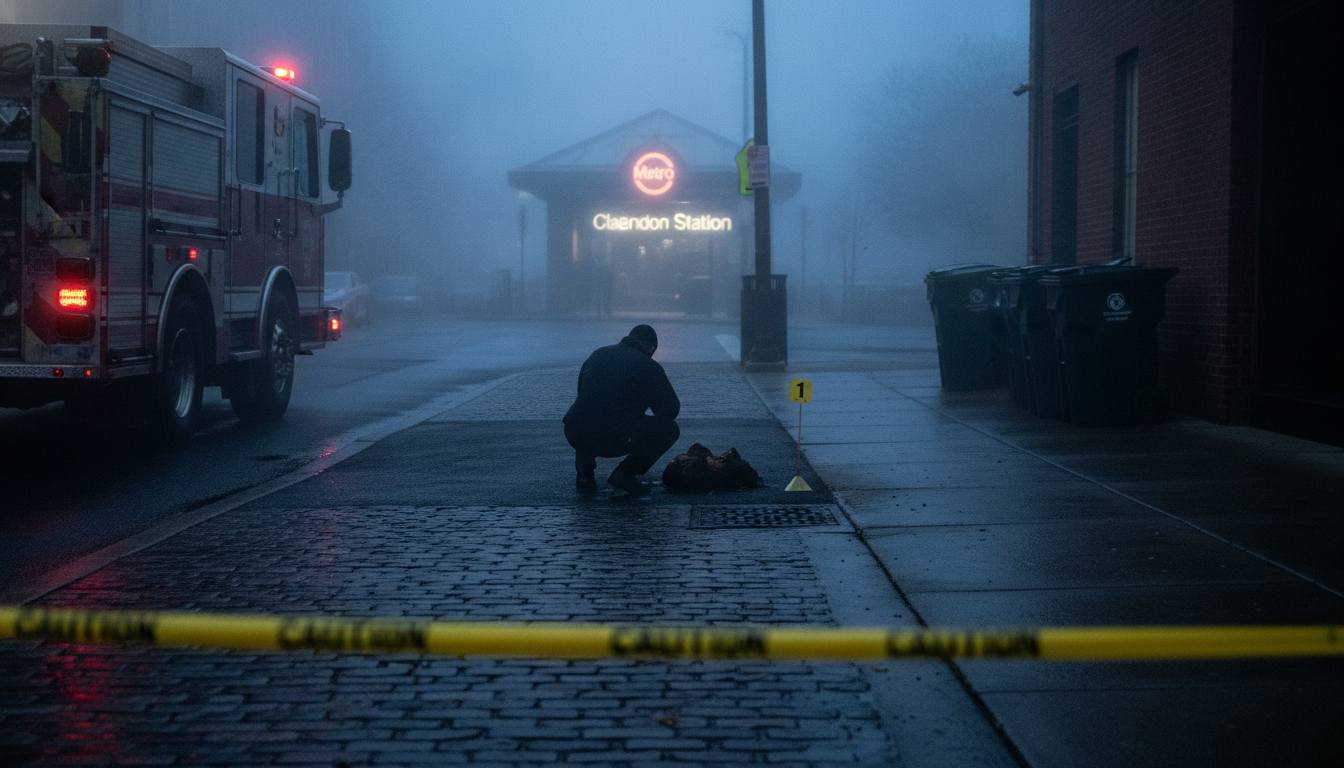
Environmental Hazard Alert: Authorities Probe Possible Dumping Incident in Clarendon Alley
Arlington County·Community
Fire marshals and other authorities are investigating a possible dumping incident in a Clarendon alley, raising concerns about potential environmental hazards and prompting a swift response from Arlington County officials.
about 10 hours ago4 min read
Community
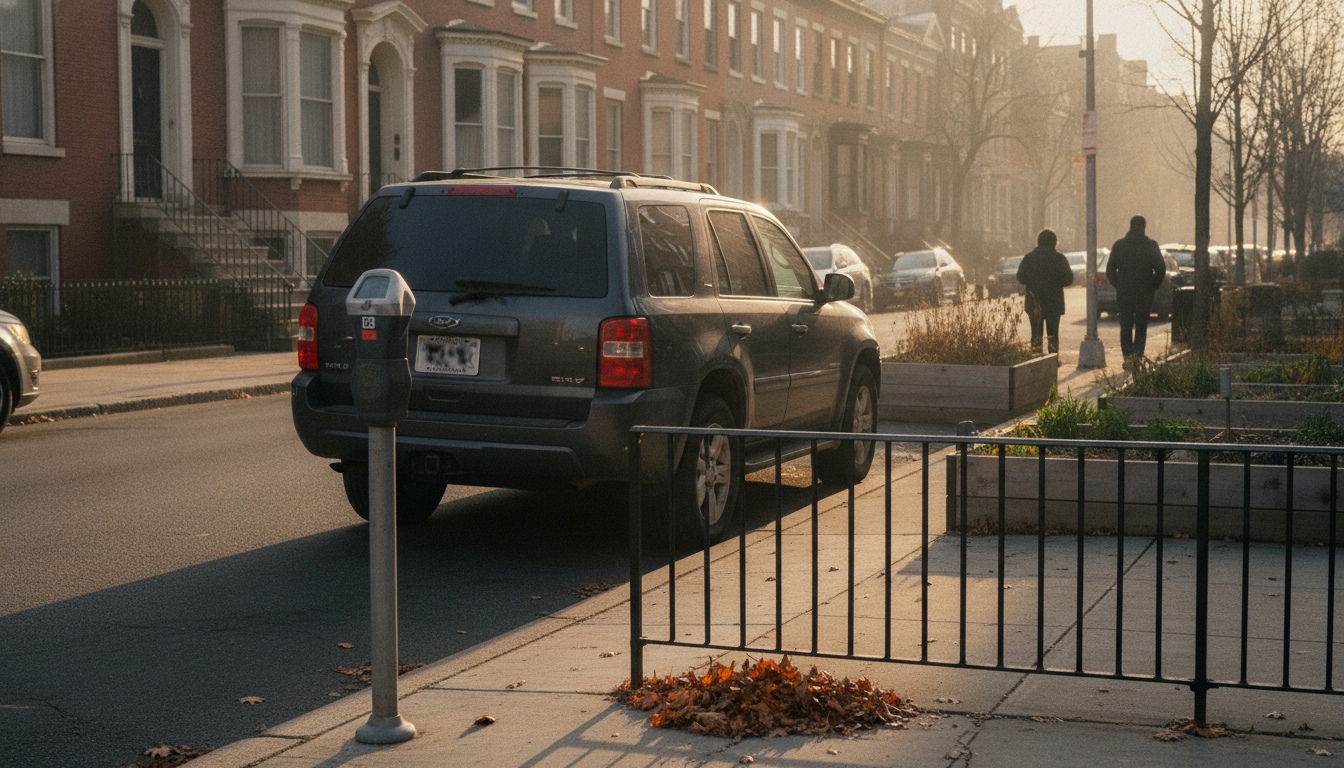
DC Residents Question Enforcement as Vehicles Drive Without Visible License Plates
Howard County·Community
Vehicles operating without proper license plates are a growing concern on D.C. streets, prompting residents to question enforcement and its impact on public safety and city revenue.
about 10 hours ago5 min read