DOJ Cites Past Washington Dinner Shooting in White House Ballroom Lawsuit
Share this article
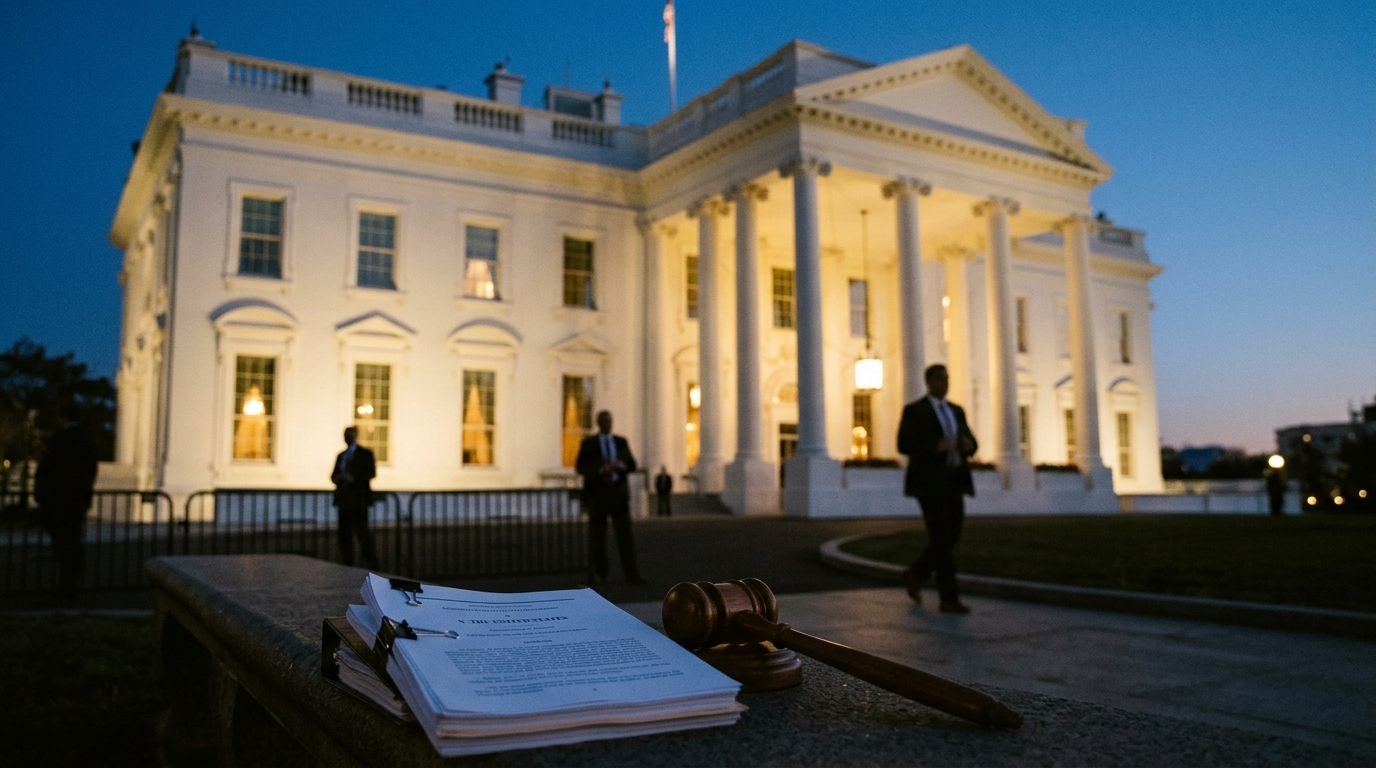
The Lawsuit's Focus: White House Ballroom Access
While the precise details of the lawsuit's origins aren't fully outlined in the report, the fact that it centers on the White House ballroom indicates a dispute over its use, access, or perhaps the security measures surrounding events held within it. The ballroom, a historic and grand space, has hosted countless dignitaries, state dinners, and significant celebrations. Any legal challenge impacting its operations has wide-reaching implications for how the Executive Branch conducts its official and ceremonial functions. The DOJ's decision to invoke a past shooting, according to BBC reporting [1], points to an argument focused on security risks. It suggests that the incident is being presented as an example of why particular protocols or restrictions are necessary, or perhaps why existing ones were inadequate in a similar context. This isn't merely about property rights; it's about national security and the protection of high-level officials and guests.Why a Past Shooting Matters
Citing a violent incident in a legal proceeding is a powerful tactic, often used to illustrate a precedent of risk or a failure in security. While the specific "Washington dinner shooting" mentioned isn't detailed in the immediate report, its inclusion by the DOJ implies a direct relevance to the security concerns at the core of the White House ballroom lawsuit. It could be an argument for stricter background checks for event attendees, more robust physical security measures, or changes in how events are planned and executed to mitigate potential threats. For federal employees and contractors who regularly access secure facilities in Washington, DC, the outcome of such a lawsuit could influence future security clearances, access procedures, and even the types of events permitted in government spaces. The Department of Justice, as the federal department responsible for enforcing the law and defending the interests of the United States, would naturally prioritize security in any matter concerning the White House.Implications for White House Security and Public Events
This legal maneuver could have tangible effects on how future events are managed at the White House. If the DOJ's argument prevails, it might lead to a re-evaluation of security protocols for non-official functions, guest vetting processes, and even the types of organizations or individuals granted access to the historic venue. The Secret Service, which is primarily responsible for the protection of the President, Vice President, and their families, as well as the White House complex, would undoubtedly be impacted by any court-mandated changes to security operations. The federal court system, particularly the U.S. District Court for the District of Columbia, frequently handles cases with national implications. For more on how these legal processes unfold, interested residents can consult resources like the United States Courts website. The ongoing proceedings will likely shed more light on the specific nature of the lawsuit and the full context of the dinner shooting cited. The legal battle over the White House ballroom, now intertwined with a past security breach, is a stark reminder that even the most secure locations are subject to constant vigilance and review. DMV residents should keep an eye on court filings and official statements from the DOJ and the White House for further updates on this significant case, which could shape the future of security and access at the nation's most iconic address.Explore more on this topic
Related Stories

Fairfax County Public Schools' Federal Funding Lawsuit Revived by Appeals Court
An appeals court has revived Fairfax County Public Schools' lawsuit against the U.S. Department of Education, challenging the withholding of federal funds over the district's policies supporting transgender students. This decision sends the case back to a lower court, marking a critical step for FCPS in its fight to restore millions in federal aid.
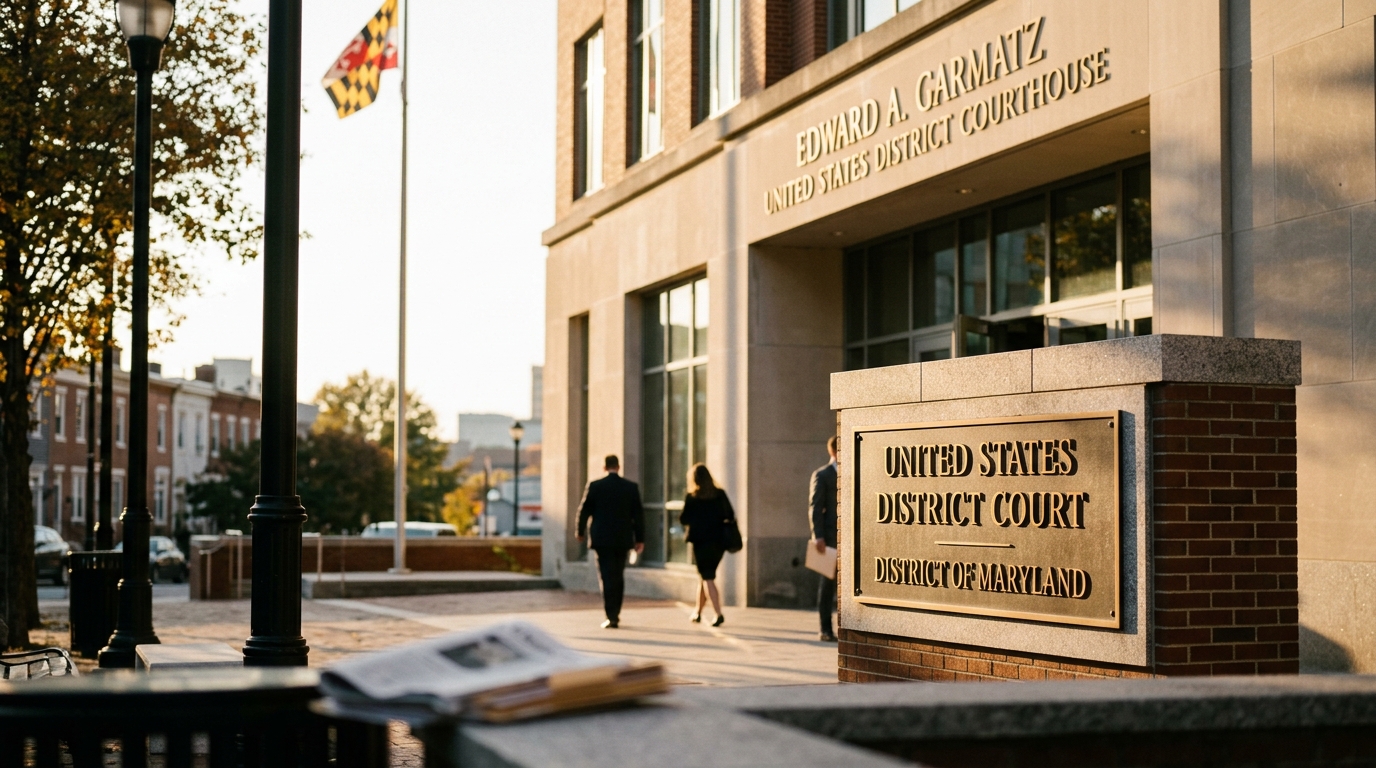
Federal Judge Rejects Maryland Attorney General's Bid for ICE Records on Baltimore Facility
A federal judge has rejected the Maryland Attorney General's bid to obtain records from an ICE detention facility in Baltimore, marking a setback for state-level transparency efforts into federal immigration operations within Maryland.
D.C. Council Member Trayon White Seeks Acquittal in Federal Bribery Case After Mistrial
A federal judge will decide whether to acquit D.C. Council member Trayon White in his bribery case after a mistrial, or allow prosecutors to pursue a retrial. The Ward 8 representative's legal team argues for dismissal, while prosecutors point to recorded evidence.