DOJ Lawsuit Alleges DC Water Ignored Warnings Before Potomac Sewage Spill
Share this article
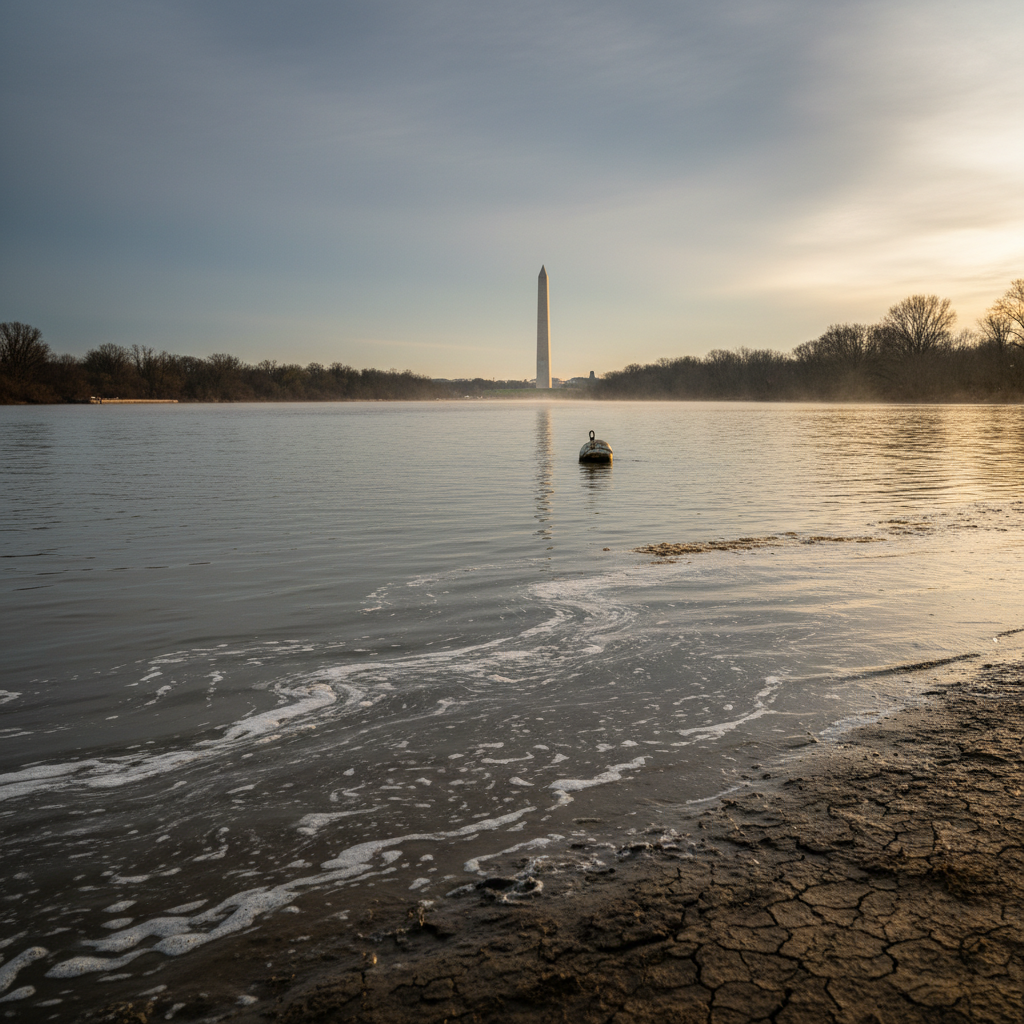
Washington, D.C.'s primary water and sewer authority, DC Water, is facing a federal lawsuit from the Department of Justice (DOJ) which alleges the utility disregarded critical warnings prior to a sewage spill into the Potomac River [1]. The legal action brings serious questions about environmental compliance and infrastructure management for the vital public service provider.
The lawsuit claims that DC Water, officially known as the District of Columbia Water and Sewer Authority, was aware of potential issues but failed to take adequate preventative measures, leading to the discharge of raw or partially treated sewage into one of the region's most iconic waterways. The Potomac River is a crucial source of drinking water and a significant recreational hub for residents across the DMV region, making any contamination a matter of widespread concern.
Allegations of Negligence and Environmental Impact
The Department of Justice's allegations center on a failure to act despite receiving warnings [1]. While specific details about the timing or volume of the spill were not immediately available, the very nature of a sewage discharge carries significant environmental and public health risks. Raw sewage contains bacteria, viruses, and parasites that can pose serious health threats to humans and wildlife, as well as introduce excess nutrients that can lead to harmful algal blooms, depleting oxygen levels and harming aquatic life.
The Potomac River watershed spans several states, and its health is monitored by various federal and local agencies. The river supports a diverse ecosystem and serves as a backdrop for numerous recreational activities, from kayaking and fishing to riverside parks. Ensuring its cleanliness is a top priority for environmental groups and government entities alike. Information on the river's health can often be found through organizations like the Potomac Conservancy, which advocates for its protection.
DC Water's Role and Responsibilities
As the sole provider of drinking water and wastewater treatment services for the District of Columbia, DC Water manages an extensive network of pipes, pumping stations, and treatment facilities. Its primary mission involves delivering safe drinking water to residents and businesses, as well as collecting and treating wastewater before it is discharged back into local waterways, primarily the Potomac and Anacostia rivers. The utility operates under strict environmental regulations, including those set forth by the U.S. Environmental Protection Agency (EPA) and local District environmental agencies.
The lawsuit underscores the critical importance of maintaining infrastructure and responding promptly to operational warnings. Such incidents can erode public trust and necessitate costly remediation efforts. DC Water has undertaken significant infrastructure projects in recent years, such as the Clean Rivers Project, aimed at reducing combined sewer overflows into the District's rivers during heavy rainfall. However, this lawsuit suggests that operational vigilance remains a key challenge.
Legal Repercussions and Future Outlook
A federal lawsuit from the Department of Justice carries substantial weight. If found liable, DC Water could face significant financial penalties, mandated operational changes, and increased oversight. The outcome of this case could also influence how similar public utilities across the nation approach maintenance and warning protocols. The DOJ's Environment and Natural Resources Division is responsible for enforcing federal environmental laws, and its actions often signal a firm stance on accountability.
For residents of Washington, D.C., and surrounding communities that rely on the Potomac, this lawsuit highlights the ongoing need for robust environmental protections and transparent utility operations. The District government, including the Department of Energy and Environment (DOEE), plays a crucial role in regulating and monitoring local environmental quality and will likely be closely observing the proceedings.
The legal process will unfold as DC Water prepares its response to the federal allegations. The case will likely involve detailed examinations of the utility's maintenance logs, internal communications, and operational procedures leading up to the alleged spill. The focus will be on determining whether negligence occurred and what measures could have prevented the environmental incident in question.
📍 Local Resources
For general inquiries, service issues, or to report water quality concerns directly to the utility.
Provides oversight of environmental quality in the District, including water quality monitoring and enforcement.
A non-profit organization dedicated to protecting the Potomac River and its tributaries through advocacy, education, and enforcement.
Explore more on this topic
Related Stories

Fairfax County Public Schools' Federal Funding Lawsuit Revived by Appeals Court
An appeals court has revived Fairfax County Public Schools' lawsuit against the U.S. Department of Education, challenging the withholding of federal funds over the district's policies supporting transgender students. This decision sends the case back to a lower court, marking a critical step for FCPS in its fight to restore millions in federal aid.
Federal Judge Rejects Maryland Attorney General's Bid for ICE Records on Baltimore Facility
A federal judge has rejected the Maryland Attorney General's bid to obtain records from an ICE detention facility in Baltimore, marking a setback for state-level transparency efforts into federal immigration operations within Maryland.
D.C. Council Member Trayon White Seeks Acquittal in Federal Bribery Case After Mistrial
A federal judge will decide whether to acquit D.C. Council member Trayon White in his bribery case after a mistrial, or allow prosecutors to pursue a retrial. The Ward 8 representative's legal team argues for dismissal, while prosecutors point to recorded evidence.