Internal Probe Uncovers Bullying and Discrimination in DMV Bus Department
Share this article
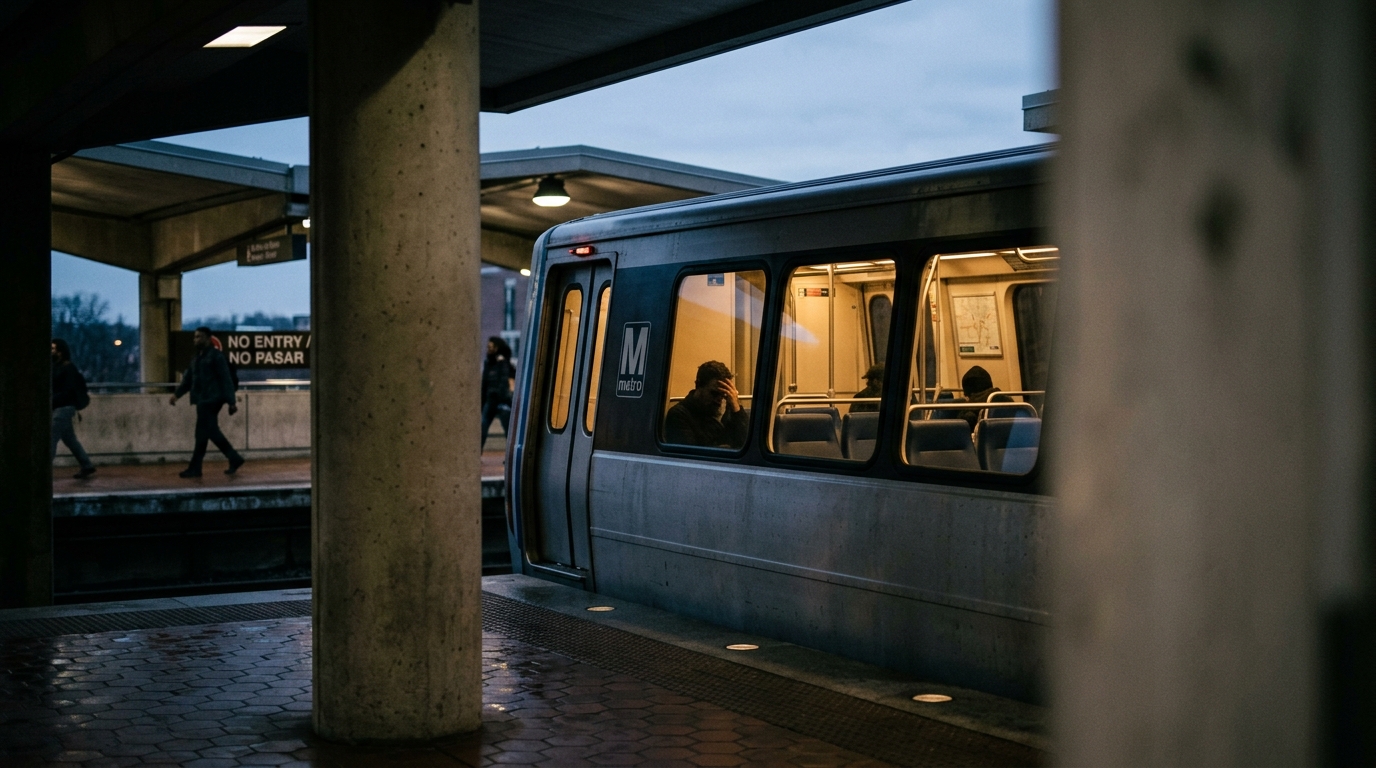
The Heavy Toll of a Toxic Workplace
Workplace bullying, discrimination, and harassment are not mere inconveniences; they are serious issues that can dismantle morale, productivity, and an individual's mental health. Bullying often manifests as repeated, unreasonable behavior directed towards an employee, creating a risk to health and safety. This can include anything from verbal abuse and intimidation to unfair work assignments or social exclusion. Discrimination, on the other hand, involves treating an individual or group less favorably based on protected characteristics such as race, gender, age, religion, disability, or sexual orientation. Harassment is a form of discrimination, specifically unwelcome conduct based on these protected traits that creates a hostile work environment. In a high-pressure environment like a bus department, where tight schedules, public interaction, and safety protocols are paramount, the presence of such issues can be particularly damaging. Employees facing daily harassment or discrimination may experience increased stress, anxiety, and depression. This can lead to higher rates of absenteeism, decreased job satisfaction, and a pervasive sense of fear or helplessness. When drivers, mechanics, or administrative staff are under such duress, their ability to perform their duties effectively, and safely, comes into question.Ripple Effects on Public Service and Trust
A transit system isn't just a collection of buses and routes; it's a complex ecosystem powered by its people. When the internal environment is unhealthy, the ripple effects can extend far beyond the department's walls. A demoralized workforce is less engaged, less efficient, and potentially less attentive to the myriad details required to run a safe and reliable transit operation. This could translate into missed routes, delays, or even safety concerns if employees are distracted by internal tensions or a lack of trust in their leadership. Moreover, such revelations erode public trust. Residents expect their public services to be managed with integrity, fairness, and accountability. Learning that a vital component of the DMV's transportation network is grappling with widespread internal misconduct can shake confidence in the entire system. It raises questions about oversight, leadership, and the commitment to fostering a respectful and equitable workplace. Rebuilding this trust requires not only addressing the immediate findings of the investigation but also implementing transparent and sustained changes that demonstrate a genuine commitment to a healthier culture.The Crucial Role of Internal Investigations
Internal investigations, while often challenging and sensitive, are a fundamental tool for accountability and organizational health. Their purpose is to thoroughly examine allegations of misconduct, gather evidence, interview witnesses, and determine the facts. For issues as serious as bullying, discrimination, and harassment, a robust and impartial investigation is critical for several reasons: it demonstrates a commitment to employee well-being, helps identify systemic issues, and ensures that appropriate corrective actions can be taken. The process typically involves trained professionals, often from human resources or an independent third party, who can navigate sensitive information while maintaining confidentiality as much as possible. Once the investigation concludes, its findings guide the organization in implementing remedies, which can range from mandatory training and policy revisions to disciplinary actions against those found responsible. The integrity of this process is paramount; if employees don't trust the investigation itself, they are less likely to come forward with concerns in the future, allowing toxic environments to fester. More information on workplace rights and the investigation process can be found on the U.S. Equal Employment Opportunity Commission (EEOC) website.Navigating the DMV's Unique Transit Landscape
The DMV region boasts one of the nation's most intricate and essential public transit systems, serving millions across Washington, D.C., Maryland, and Northern Virginia. From the extensive Metrobus network to various county-specific services, these departments are the backbone of regional connectivity. The revelation of an internal investigation citing widespread workplace issues within a bus department here underscores the unique pressures and diverse workforce dynamics inherent to this area. Employees often navigate long shifts, challenging traffic conditions, and a constant flow of diverse passengers. The stress of the job, combined with an internal environment marred by bullying or discrimination, creates a particularly difficult situation. Maintaining a high standard of public service under these conditions is a testament to the dedication of many transit workers, but it also highlights the urgent need for leadership to address these systemic issues. The various jurisdictions within the DMV—including D.C., Maryland, and Virginia—each have their own human rights and labor laws designed to protect employees, making a consistent and fair approach to workplace conduct even more vital for regional entities. Local government resources, such as those provided by DC's Office of the Attorney General on Human Rights, offer guidance on these protections.Looking Ahead: What This Means for DMV Residents
For DMV residents, this internal investigation signals a critical moment for the region's bus services. While the specific outcomes are not yet public, the findings demand a thorough and transparent response from the bus department's leadership. What happens next will determine not only the fate of those directly affected but also the future health of a vital public institution. Residents should watch for official statements, potential policy changes, and any announced initiatives aimed at improving workplace culture. The focus will undoubtedly shift to how the department plans to implement lasting solutions. Will there be new training programs? Stricter enforcement of anti-harassment policies? A clearer pathway for employees to report concerns without fear of retaliation? These are the questions that will shape the department's ability to heal internally and continue to provide the reliable, respectful service the DMV community deserves. A healthy workplace is foundational to a functioning public service, and the journey to achieving that starts now. The Maryland Commission on Civil Rights also provides resources for workplace issues in the state, accessible via Maryland.gov.📍 Local Resources
Federal agency responsible for enforcing federal laws that make it illegal to discriminate against a job applicant or an employee.
Enforces the DC Human Rights Act, prohibiting discrimination based on various protected traits in employment, housing, public accommodations, and more.
Protects citizens from discrimination in employment, housing, public accommodations, and state contracts through enforcement and education.
Provides guidance and resources for state employees and agencies regarding workplace policies, including anti-discrimination and harassment.
Explore more on this topic
Related Stories
Friday Forecast: Sunny Start Across DMV Before Afternoon Showers Arrive
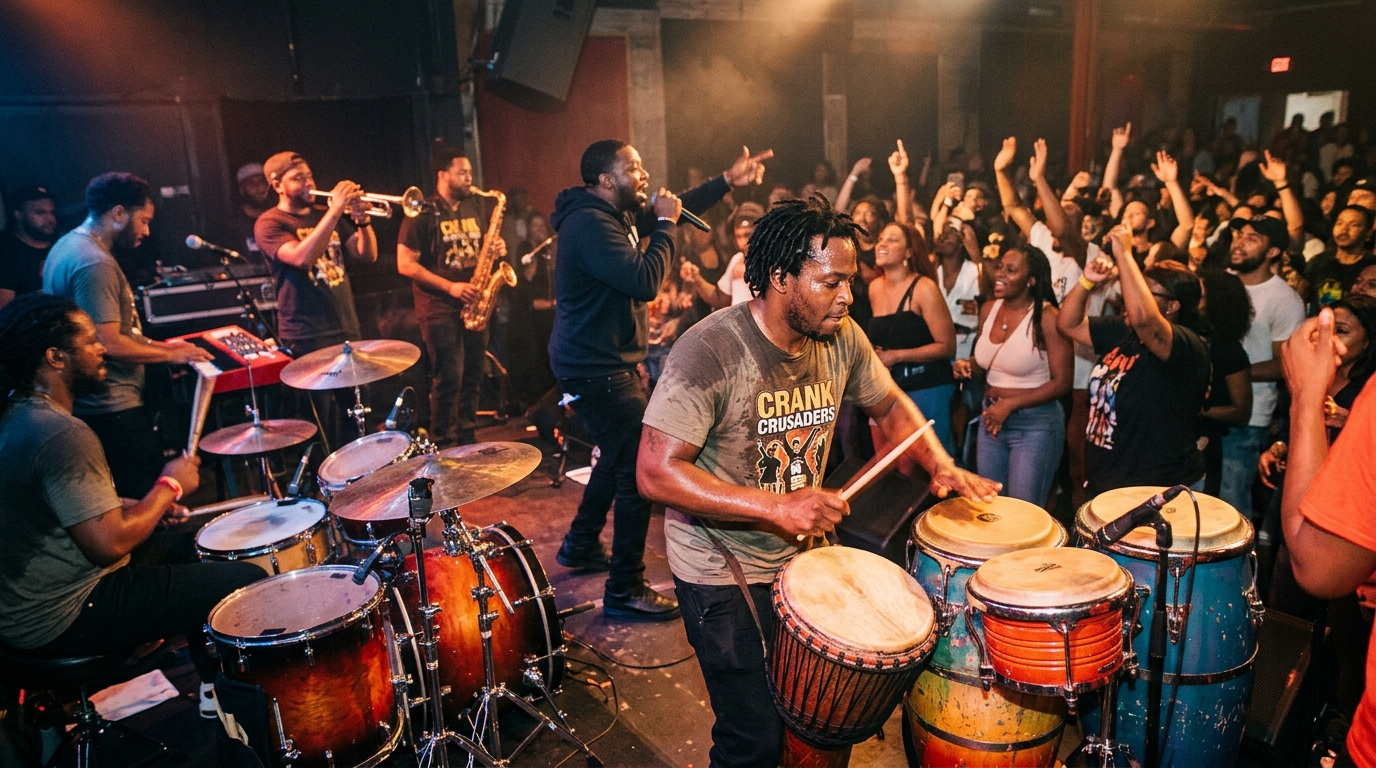
Crank Crusaders Bring Authentic Go-Go "House Party Experience" to Baltimore
Crank Crusaders are bringing their signature go-go "house party experience" to Baltimore this weekend, offering DMV residents a vibrant taste of D.C.'s iconic sound. This event highlights the genre's enduring appeal and its role in connecting communities across the region.

Tysons Apartment Rents Climb While Fairfax County's Overall Market Cools
Apartment rental costs in Tysons are on the rise, even as the overall Fairfax County market sees a slight year-over-year decline. The county's median rent dropped 0.8% to $2,052 for a one-bedroom in September, but Tysons remains an exception with increasing prices.