Elections
Howard County
DC Summer Youth Curfew Falls Through After Council Emergency Vote Fails
Share this article
Advertisement
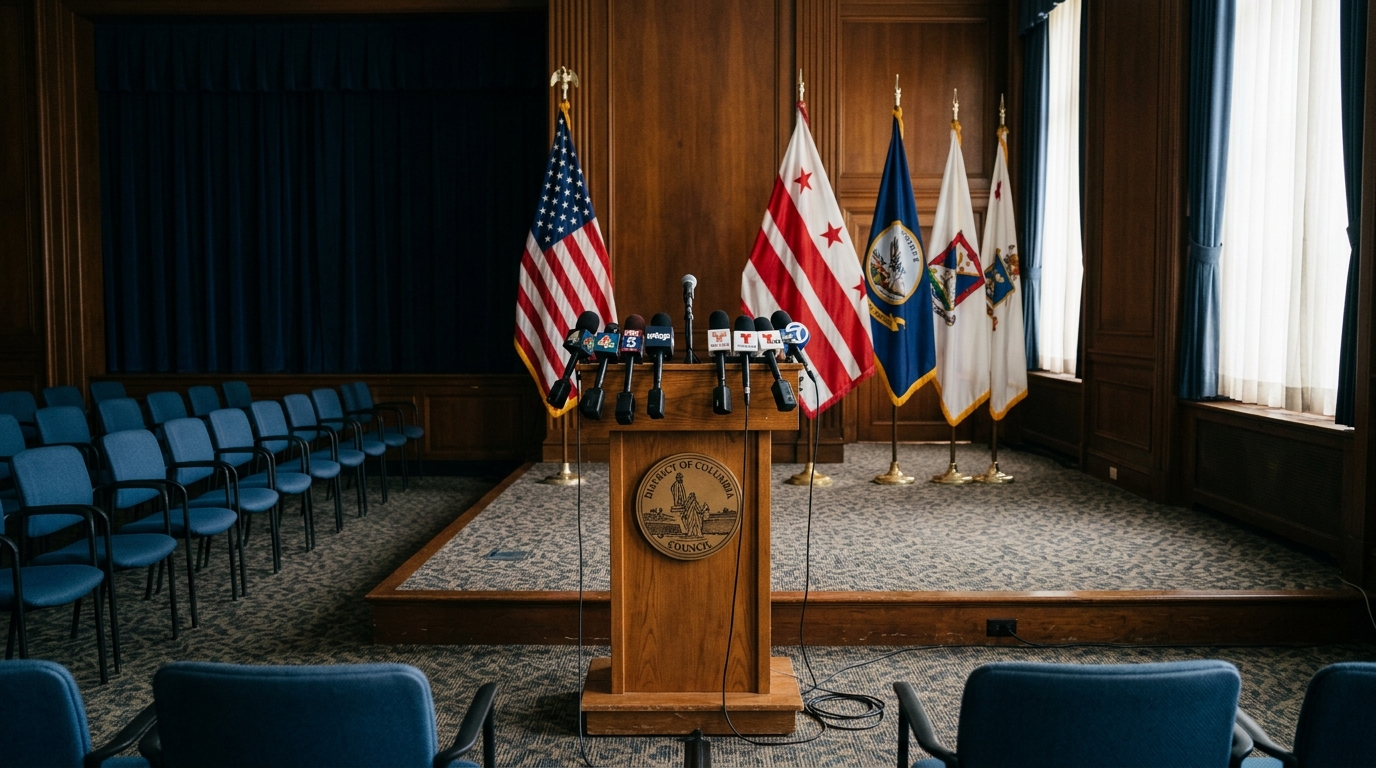
As summer nights stretch longer and warmer across the District, a critical safety measure intended to keep young people off the streets during late hours has hit a snag. The D.C. Council's attempt to extend the city's youth curfew through an emergency vote recently failed, creating a significant gap in enforcement just as school lets out and youth activity typically increases. The legislative hiccup means that for now, the city's police won't be able to enforce a curfew for minors, leaving many parents and community leaders wondering about the implications for public safety and youth well-being during the bustling summer months [1].
Why the Emergency Vote Didn't Pass
The D.C. Council had scheduled an emergency vote to extend the youth curfew, which typically aims to deter minors from being in public places late at night without adult supervision. For an emergency measure to pass, it requires a supermajority — meaning at least nine of the thirteen council members must vote in favor. Unfortunately for proponents of the curfew extension, the vote fell short of this threshold [1]. The specific reasons for individual council members' votes against the extension weren't detailed in the immediate aftermath, but debates around youth curfews often involve balancing public safety concerns with civil liberties and the effectiveness of such measures. Critics sometimes argue that curfews disproportionately affect youth of color and can lead to unnecessary interactions with law enforcement, while supporters point to potential reductions in juvenile crime and enhanced safety.What This Means for Summer in the District
With the emergency legislation failing, the District now faces a period without an active youth curfew. This comes at a particularly sensitive time, as the warmer weather and school breaks historically correlate with an increase in youth gatherings and, at times, related incidents. For families living in neighborhoods from Columbia Heights to Congress Heights, this means a shift in the legal framework governing when and where their children can be out after dark.The D.C. Council's failed emergency vote creates a summer youth curfew gap in the District.
The Metropolitan Police Department (MPD) will no longer have the legal authority to enforce a city-wide curfew for minors, which could alter their approach to managing youth presence in public spaces during evening hours. Residents, particularly parents, will need to be aware that the established boundaries for their children's nighttime activities will rely solely on household rules rather than municipal law. Understanding the nuances of local regulations can be challenging, and resources from the DC Government website can often provide clarity on various city services and laws. Previous Curfew Efforts and Community Impact
Youth curfews have been a recurring topic of discussion in D.C. for years, often in response to concerns about juvenile crime rates or perceived disorder. Past iterations of the curfew have typically set specific hours, such as 11 p.m. on weeknights and midnight on weekends, for individuals under a certain age (often 17 or 18) to be off the streets unless accompanied by a parent or guardian, or engaged in specific exempted activities like work or school events. The effectiveness of youth curfews is a subject of ongoing debate among criminologists and community advocates. Some studies suggest a modest reduction in juvenile crime during curfew hours, while others find little to no significant impact, or even argue that they can strain relations between youth and police. Data on juvenile arrests and crime trends are often available through the MPD's crime statistics portal, offering a look at the city's public safety landscape. The immediate impact of this legislative gap will be felt by D.C. families, particularly those with teenagers. Parents who relied on the city's curfew as an additional layer of safety or a tool for setting boundaries will now need to adjust their expectations and reinforce household rules even more strongly. Community organizations that work with youth may also need to adapt their programs or outreach efforts to reflect the current legal situation. Many local groups offer valuable after-school and summer programs that keep kids engaged and safe; information on these can often be found through the Office of the State Superintendent of Education (OSSE).What's Next for Curfew Discussions?
While the emergency vote failed, it doesn't necessarily mean the end of discussions around a youth curfew in the District. The D.C. Council could revisit the issue through standard legislative processes, which typically involve committee hearings, public input, and multiple votes. Such a process, however, is often slower and may not result in a new curfew being in place until later in the summer or even beyond. For now, residents across the District, from Georgetown to Anacostia, should be aware that there is no city-wide youth curfew being enforced. This situation underscores the ongoing challenges the D.C. Council faces in addressing public safety concerns while navigating complex legislative procedures and differing community perspectives. Keeping informed about D.C. Council legislative updates will be key for residents who wish to follow this issue.📍 Local Resources
Department of Youth Rehabilitation Services (DYRS)
Provides supervision, care, and rehabilitation to committed youth in the District of Columbia.
MPD Youth and Family Services Division
Focuses on preventing juvenile crime and providing intervention services for at-risk youth and families.
📞 Phone: (202) 576-6768
🌐 Website: mpdc.dc.gov/youth
📍 Location: Various district stations, main office at 300 Indiana Ave NW, Washington, DC 20001
DC Public Library - Summer Reading Program
Offers engaging activities and reading challenges for youth during the summer, promoting learning and safe engagement.
📞 Phone: (202) 727-1111
🌐 Website: dclibrary.org/summerreading
📍 Location: Various branches across DC
Advertisement
Explore more on this topic
Related Stories

Elections
Governor Moore Engages Marylanders on Election Integrity, Rising Utility Costs
Anne Arundel County·Elections
5 days ago5 min read

Elections
Baltimore Launches "Hope Lives Here" Campaign to Combat Substance Use Disorder Stigma
Elections
Baltimore has launched a new "Hope Lives Here" campaign to combat the stigma surrounding substance use disorder, aiming to reframe addiction as a disease rather than a personal failing and improve access to vital resources.
6 days ago6 min read

Elections
Columbia Heights' DC USA Set for "Eat Street" Transformation with Eight New Restaurants
Howard County·Elections
6 days ago4 min read