DC's Mayoral Race Heats Up: Democratic Socialist Poised to Lead After 12 Years
Share this article
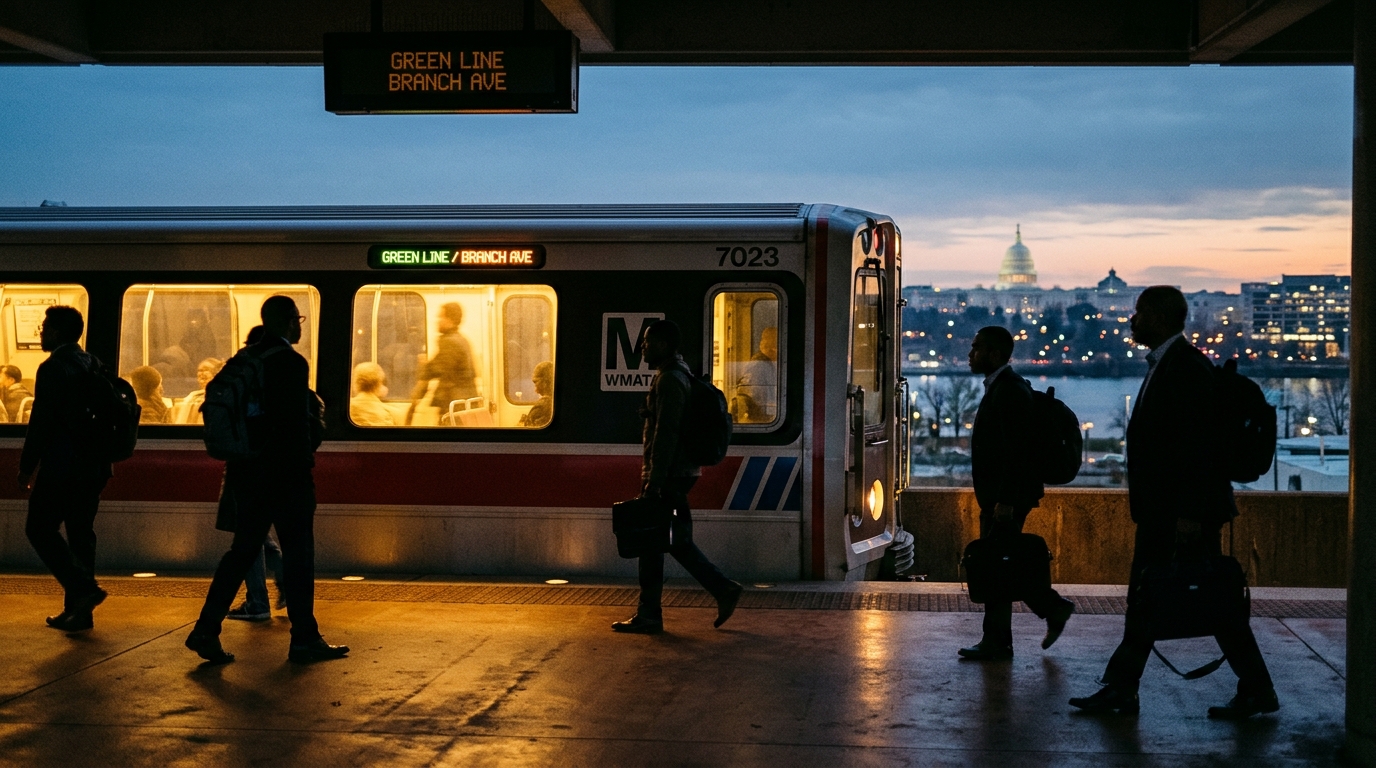
The End of an Era: A City Ready for Change?
Twelve years is a long time in local politics. A mayor serving for such a duration typically oversees multiple budget cycles, major infrastructure projects, and significant social shifts within the city. While long tenures can bring stability and consistent vision, they can also lead to a desire for fresh perspectives and a new approach to entrenched problems. Washington, D.C., has seen its share of evolution over the past decade, with rapid gentrification, a booming tech sector, and continued debates around statehood and local autonomy. The departure of a long-serving mayor naturally opens the door for a re-evaluation of the city's trajectory. Residents will likely be asking critical questions about the effectiveness of past policies and what new strategies might be needed to address the city's most pressing concerns. Will the new administration prioritize different areas? How will it tackle the rising cost of living that has pushed many long-term residents out of their neighborhoods? These are the kinds of discussions that define a mayoral transition after such a substantial period.A New Ideology at the Helm: What "Democratic Socialist" Means for DC
The headline that a "democratic socialist" is the heavy favorite isn't just a political label; it points to a specific set of policy priorities that could reshape D.C. governance. Historically, democratic socialist platforms in urban settings tend to emphasize robust social safety nets, significant investments in public services, and policies aimed at reducing economic disparities. For D.C., this could translate into a renewed focus on several key areas. Imagine a city government more deeply involved in ensuring truly affordable housing, perhaps through expanded public housing initiatives, stricter rent control measures, or increased funding for tenant protection programs. Transportation could see a push for more accessible and affordable public transit, potentially advocating for greater federal funding for WMATA or exploring fare-free options. Furthermore, issues like worker rights, living wages, and universal access to healthcare and education could move to the forefront of the legislative agenda. This ideological shift might also influence how the city approaches policing and criminal justice reform. Many democratic socialist platforms advocate for community-led safety initiatives, alternatives to incarceration, and a re-evaluation of police budgets, redirecting funds towards social services that address the root causes of crime. For a city that has seen fluctuating crime rates and ongoing debates about public safety, such an approach would certainly mark a departure from traditional law-and-order stances. The DC Council would play a crucial role in shaping and implementing these new policy directions.The Campaign Trail and Public Sentiment
The fact that a democratic socialist candidate is considered the "heavy favorite" suggests a strong groundswell of support and possibly a significant lead in early polling. This isn't usually a fluke; it often reflects a growing public appetite for change and a resonance with the candidate's platform among a broad segment of the electorate. It also implies effective campaigning, robust grassroots organizing, and potentially a successful coalition-building effort across various communities in the District. What makes a candidate a "heavy favorite"? It could be a combination of factors: dissatisfaction with the status quo, the ability to articulate a compelling vision for the future, strong community ties, or a perceived authenticity that connects with voters. In D.C., where local politics can be intensely personal and neighborhood-focused, a candidate’s ability to mobilize volunteers and excite the base is often critical. The DC Board of Elections will be the official body overseeing the process, ensuring fair and transparent elections. This level of favoritism could also mean that other candidates face an uphill battle, potentially leading to a less competitive general election if the primary race solidified this candidate's position too strongly. The narrative of a "heavy favorite" can also influence voter turnout, as supporters might feel confident in their candidate's victory, while opponents might feel disengaged.Key Issues Facing the Next Mayor
Regardless of who sits in the mayor's office, several critical issues will demand immediate attention. Housing affordability remains a top-tier concern for many D.C. residents. The rapid pace of development has driven up rents and home prices, making it increasingly difficult for middle- and lower-income families to remain in the city. The next mayor will need a comprehensive strategy to address this, balancing development with preservation and equitable access. Public safety is another perennial challenge. While crime rates can fluctuate, residents consistently demand effective strategies to ensure safety in their neighborhoods. How the new mayor chooses to approach this—whether through community-based interventions, traditional law enforcement, or a hybrid model—will be a defining aspect of their term. Beyond these, the District faces ongoing debates about education reform, reliable and efficient public transportation, and the allocation of city resources. Economic development, particularly ensuring that growth benefits all residents and not just a select few, will also be a central focus. The city's relationship with the federal government, especially concerning budget autonomy and the push for statehood, will continue to be a significant political battleground for any incoming administration. The DC.gov portal offers a wealth of information on city services and departments that will be impacted by these decisions.What This Means for DC Residents
For Washington, D.C. residents, this upcoming mayoral election represents more than just a change in leadership; it's a potential inflection point for the city's future. A new mayor, especially one aligned with democratic socialist principles, could bring about significant policy shifts in areas like housing, public transit, social services, and criminal justice. This could mean different approaches to how city funds are allocated, how development projects are approved, and how community needs are prioritized. Residents should pay close attention to the specific proposals outlined by the candidates, particularly the frontrunner. Understanding their stances on property taxes, business regulations, and neighborhood development will be crucial for homeowners, renters, and local business owners alike. The change in leadership offers an opportunity for a fresh look at the city's most stubborn problems, but also introduces an element of uncertainty as new strategies are implemented. What's clear is that the District is gearing up for a dynamic political period, and its residents will be at the heart of how these changes unfold. The next few months leading up to the November 2026 election will undoubtedly be filled with intense campaigning and public debate. Residents should stay informed, engage with candidates, and prepare to cast their ballots in an election that promises to usher in a new era for the nation's capital.📍 Local Resources
Official source for voter registration, election dates, polling place information, and candidate details.
Provides information on city services, initiatives, and direct contact to the Mayor's office for constituent concerns.
The legislative branch of D.C. government, offering information on current legislation, public hearings, and contact details for councilmembers.
Explore more on this topic
Related Stories
Maryland Voters Shatter Early Voting Record, Signaling Heightened Engagement
Maryland recently shattered its early voting record on the final day of the early voting period, signaling a robust and engaged electorate across the DMV. This unprecedented surge in participation highlights the growing importance of accessible voting options and could reshape future elections in the state.

Howard County Executive Calvin Ball to Step Down, Lead Baltimore City Community College
Howard County Executive Calvin Ball is set to leave his role to become the president of Baltimore City Community College. This move marks a significant shift for both Howard County's leadership and the future of higher education in Baltimore.

Kennedy Center Closure Urged Due to Finances, Not Conditions, Lawyers Contend
Lawyers contend a top Kennedy Center official urged closure due to financial problems, not poor conditions, raising questions about the institution's fiscal health and future.