Politics
Kennedy Center Closure Urged Due to Finances, Not Conditions, Lawyers Contend
Share this article
Advertisement
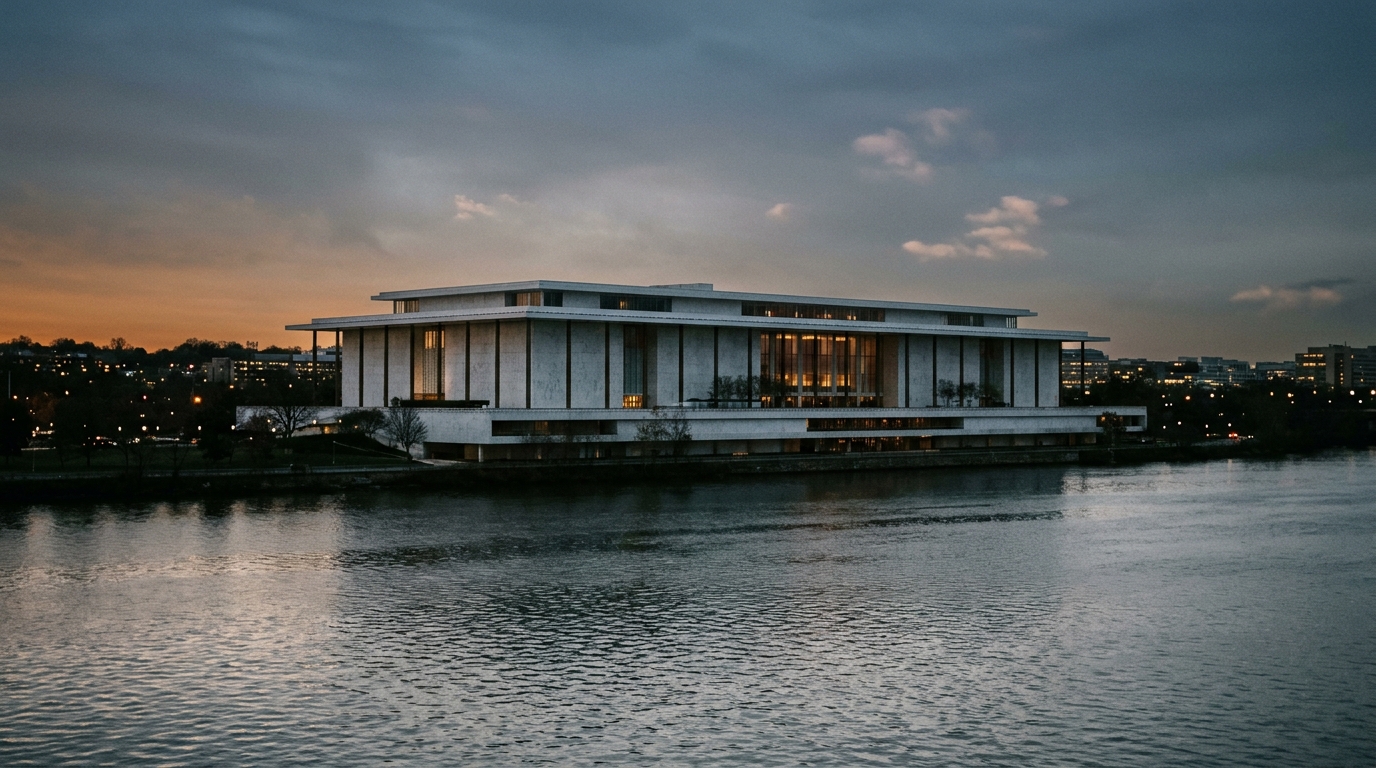
The iconic John F. Kennedy Center for the Performing Arts, a beacon on the Potomac River and a cornerstone of the DMV's cultural landscape, is at the center of a legal battle where lawyers are making a striking claim. They allege that a high-ranking official within the institution pushed for its closure, not because of deteriorating physical conditions, but due to underlying financial difficulties. This assertion, emerging from an unspecified legal proceeding, casts a critical light on the internal workings and fiscal health of one of Washington D.C.'s most cherished venues. Imagine the stages of the Eisenhower Theater, the Opera House, or the Concert Hall going dark, not for a scheduled intermission or a holiday break, but indefinitely. That's the stark scenario implied by the lawyers' argument, challenging the narrative around any potential operational changes or closures. For an institution that hosts thousands of performances annually and welcomes millions of visitors, the distinction between a closure driven by structural decay versus one prompted by budget woes is profound, signaling vastly different implications for its future and public trust.
The Core of the Contention: Finances vs. Facilities
At the heart of the legal dispute is the motivation behind a top official's alleged recommendation to cease operations at the Kennedy Center. Lawyers involved in the case contend that the official's urgings for closure stemmed from "financial problems" rather than "poor conditions" of the facility WTOP reports. This isn't just a semantic difference; it's a fundamental shift in understanding the perceived crisis. If the argument holds weight, it suggests that the institution's challenges were less about its physical infrastructure and more about its economic viability or management of funds. The Kennedy Center, officially known as the national cultural center, operates under a unique federal mandate, serving as a living memorial to President Kennedy. Its funding model typically involves a mix of federal appropriations for maintenance and repair (managed by the National Park Service), alongside significant private donations and ticket sales for its artistic programming. An allegation of financial problems leading to a call for closure could point to deeper issues within its operational budget, fundraising efforts, or overall fiscal strategy, rather than simply the wear and tear of a beloved, aging building.Lawyers argue a top Kennedy Center official urged closure due to financial problems, not poor conditions.
This legal argument implies a significant internal struggle over the institution's direction and transparency. For the public and for the countless artists, educators, and staff who rely on the Kennedy Center, understanding the true nature of any proposed closure is paramount. Was there a genuine concern about the safety or functionality of the building, or was it a more complex calculation rooted in the balance sheets? This is the question the lawyers' argument seeks to elevate. A Cultural Beacon Under Scrutiny
The John F. Kennedy Center isn't just another performance venue; it's a national treasure and a vital part of Washington D.C.'s identity. Located on the banks of the Potomac River in the Foggy Bottom neighborhood, it stands as a monument to artistic excellence and a hub for cultural exchange. From its grand halls to its free daily performances on the Millennium Stage, the Center serves a diverse audience, providing access to world-class opera, ballet, theater, and orchestral music, as well as educational programs for all ages. Its very existence contributes significantly to the DMV's vibrancy, attracting tourists and enriching the lives of local residents. Allegations of financial distress leading to calls for closure, especially from a "top official," could severely impact public perception and donor confidence. The Kennedy Center relies heavily on philanthropic support to fund its extensive programming and outreach initiatives. A cloud of financial mismanagement, even if unproven, could make donors hesitant and reduce the vital contributions that keep its stages lit and its programs running. This isn't just a blow to the institution's reputation; it's a potential threat to the availability of arts and culture for the entire region. Moreover, the Center's federal charter means it operates with a degree of public trust and oversight. Questions about its financial stability and the motivations of its leadership could draw attention from congressional committees and other federal bodies responsible for ensuring the responsible use of public and private funds in such a significant national institution. The Kennedy Center's official website showcases its extensive programming and outreach, highlighting its critical role in the arts, which makes any threat to its operations a matter of broad public concern.Behind the Legal Veil: Understanding the Stakes
In legal proceedings, the motivation behind an action is often as important as the action itself. The lawyers' argument that the official urged closure due to financial problems, rather than poor conditions, aims to establish a specific intent or context. If the official's concern was primarily financial, it might suggest issues related to budgeting, revenue generation, or resource allocation. Conversely, if the concern was genuinely about the physical state of the building, it would point to infrastructure challenges, potentially requiring significant capital investment. This distinction could be crucial in determining accountability, potential liability, or the appropriate course of action for the institution moving forward. When a top official suggests closing a major cultural institution, it's not a decision taken lightly. It implies a perceived existential threat. The legal argument seeks to define the nature of that threat, pushing the narrative towards fiscal health as the primary concern. This could influence how the case unfolds and what remedies or reforms might be sought. The implications extend beyond the immediate legal outcome. For other federally-chartered cultural institutions, or even large non-profits across the country, the scrutiny over financial transparency and leadership decision-making could set a precedent. The National Endowment for the Arts, a federal agency that supports arts organizations, consistently emphasizes the importance of sound financial management for the sustainability of cultural institutions. This legal argument brings those principles into sharp focus for one of the nation's most prominent performing arts centers.What This Means for DMV Residents
For anyone who calls the DMV home, the Kennedy Center isn't just a tourist destination; it's a place for family outings, date nights, educational opportunities, and a source of local pride. Allegations of financial instability at such a critical institution could have tangible effects. It raises questions about the long-term viability of its diverse programming, from Broadway hits to free community concerts, and its role as a major employer in the region. Staff, artists, and patrons will undoubtedly be watching closely as these legal arguments unfold. This ongoing legal contention serves as a reminder of the complex challenges facing even the most established cultural institutions. It underscores the delicate balance between artistic mission, financial sustainability, and public accountability. Residents should stay informed about any developments in this case, as the future trajectory of the Kennedy Center could impact the cultural fabric and economic vitality of Washington D.C. and the wider metropolitan area. The coming months will likely reveal more about the specifics of these legal arguments and their potential repercussions. For now, the focus remains on the critical distinction lawyers are drawing: whether the threat of closure was truly about the dollars and cents, or something else entirely. The resolution of this issue will not only shape the future of the Kennedy Center but also send a clear message about transparency and leadership within one of America's most important cultural landmarks. What happens next will be crucial for the institution's legacy and its continued role as a vibrant center for the performing arts.Advertisement
Explore more on this topic
Related Stories
Politics
Councilmember Janeese Lewis George Urges Caution on Waymo Legislation, Citing DC's Jobs Crisis
Howard County·Politics
Ward 4 Councilmember Janeese Lewis George has urged the DC Council to pump the brakes on Waymo legislation this year, warning that rushing autonomous vehicle laws could worsen the city's "jobs crisis" by displacing workers. She emphasizes the need to prioritize safety and worker support alongside technological advancement.
17 days ago6 min read
Politics
Ousted Board of Appeals Chair Sues Howard County Council, Office of Law
Howard County·Politics
Howard County's ousted Board of Appeals chair has filed a lawsuit against the County Council and the Office of Law, initiating a significant legal challenge within the local government structure. This action highlights internal administrative disputes and brings the county's appointment and oversight processes into public scrutiny.
17 days ago5 min read

Politics
Senator Mark Warner to Seek Final Term in Virginia Senate Race Against Military Veteran
Arlington County·Politics
17 days ago4 min read