Weather & Traffic
D.C. Welds Down Over 200 Manholes for Upcoming Grand Prix Race
Share this article
Advertisement
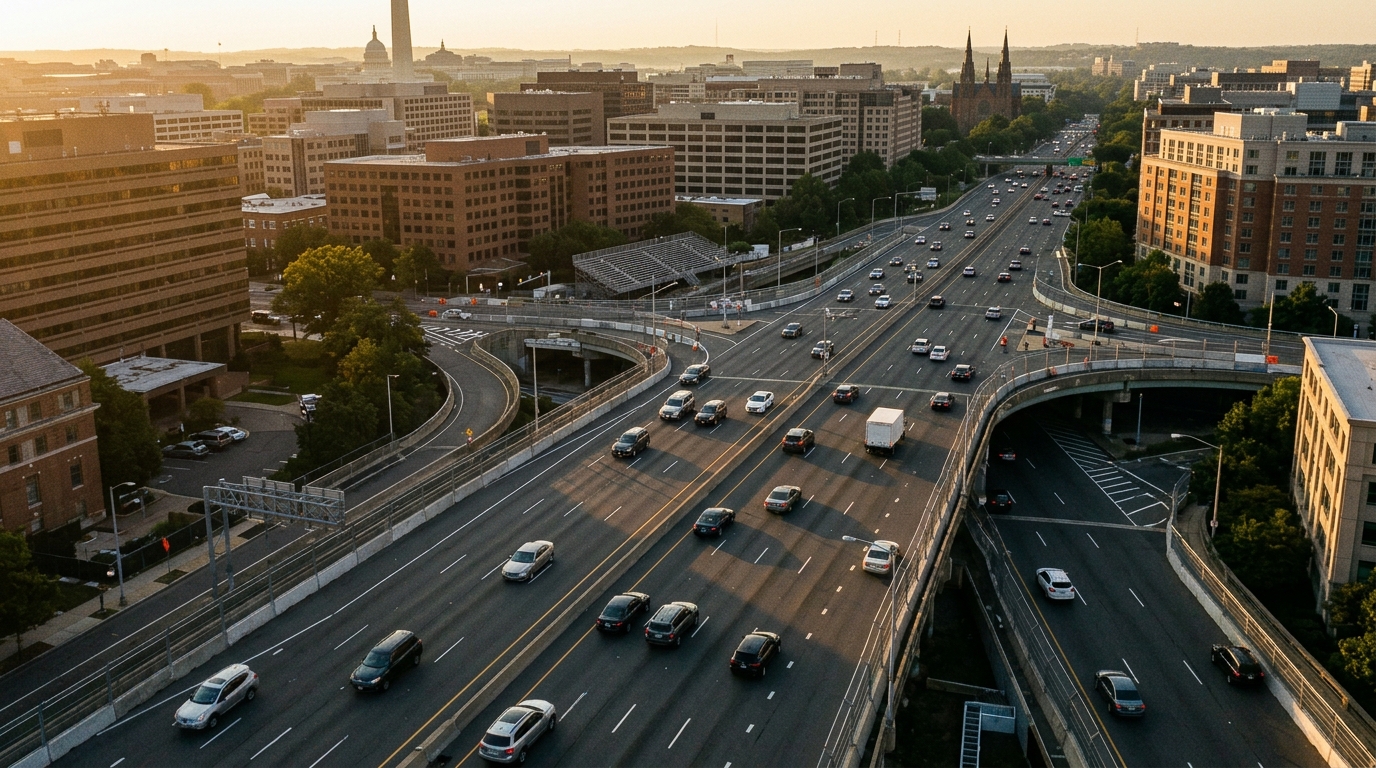
Streets across Washington, D.C., are undergoing an unusual transformation this week as city crews work to secure over 200 manhole covers in preparation for the upcoming Freedom 250 Grand Prix. With racecars set to tear through the city at blistering speeds of up to 185 miles per hour, officials aren't taking any chances with public safety or the integrity of the racecourse. The extensive welding operation highlights the intricate logistical challenges of hosting a high-speed street race in a bustling urban environment. For residents and commuters, it's a visible sign of the major event descending upon the nation's capital, bringing with it both excitement and inevitable disruption.
High-Stakes Racing on City Streets
The Freedom 250 Grand Prix promises a spectacle of speed, with top-tier racecars pushing their limits on what are usually everyday D.C. thoroughfares. The sheer velocity these vehicles can achieve—up to 185 mph, according to The Washington Post—necessitates extraordinary safety measures. Unlike purpose-built racetracks, city streets come with a unique set of challenges, from varying road surfaces to the omnipresent utility infrastructure buried beneath. This weekend's race will undoubtedly draw crowds, eager to witness the roar of engines and the blur of motion. But behind the scenes, months of planning and significant modifications are underway to ensure the event runs smoothly and safely for everyone involved.Over 200 manhole covers across Washington, D.C., have been welded down to secure the racecourse for the Freedom 250 Grand Prix, where cars will reach speeds of up to 185 mph.
The Science Behind Securing Manholes
Why go to the trouble of welding down hundreds of manhole covers? At the speeds anticipated for the Grand Prix, even a slight imperfection or a dislodged manhole cover could lead to catastrophic consequences. The powerful aerodynamic forces generated by racecars—including significant downforce and suction—can create enough lift to unseat loosely fitted covers. Furthermore, the intense vibrations and potential for direct impact from low-slung vehicles pose a serious risk. A dislodged manhole cover could become a dangerous projectile, endangering drivers, track marshals, and spectators. It could also create a sudden, unavoidable obstacle on the track, leading to multi-car pileups. Welding these covers in place effectively turns them into an integral, immovable part of the road surface, mitigating a critical safety vulnerability. This meticulous preparation is standard practice for street circuits worldwide, but it's a rare sight for D.C. residents.Impact on D.C. Commutes and Local Life
The welding of manholes is just one piece of a much larger puzzle of preparations that will impact daily life in the District. Residents should anticipate significant road closures and traffic diversions around the race circuit. These changes aren't just for the race itself; they begin days in advance for setup and continue afterward for teardown. The District Department of Transportation (DDOT) typically issues detailed advisories about affected streets, parking restrictions, and alternative routes. Public transportation, particularly WMATA's Metrobus and Metrorail services, will likely be the most reliable way to navigate the city during the race weekend. Commuters who usually drive through downtown or specific neighborhoods where the circuit is established will need to plan their journeys well in advance. For real-time updates on traffic and road closures, residents can often consult the official DDOT website.Navigating the Grand Prix Weekend
For those living, working, or visiting the nation's capital, understanding the scope of the Grand Prix's impact is crucial. Beyond the immediate race circuit, increased foot traffic and activity across the city are expected. While the race promises an exciting event, it also demands patience and adaptability from everyone navigating the District. Keeping an eye on official city announcements and local news outlets will be key to staying informed about traffic patterns, public transport adjustments, and any specific access restrictions. The WMATA service alerts system is an invaluable tool for planning Metro trips. As the Freedom 250 Grand Prix approaches, D.C. transforms into a temporary high-speed arena, with the secured manholes serving as a subtle yet critical reminder of the immense planning required to host such an event. Residents should stay alert for official guidance from the city and plan their movements accordingly to minimize inconvenience and safely enjoy the spectacle.📍 Local Resources
DC Department of Transportation (DDOT)
Information on road closures, traffic advisories, and transportation planning for special events.
📞 Phone: (202) 673-6813
🌐 Website: ddot.dc.gov
Washington Metropolitan Area Transit Authority (WMATA)
Real-time service alerts, trip planning, and information on Metrobus and Metrorail services.
📞 Phone: (202) 637-7000
🌐 Website: wmata.com
DC.gov Official Website
General city information, news, and event updates for Washington, D.C.
🌐 Website: dc.gov
Advertisement
Explore more on this topic
Related Stories
Weather & Traffic
Laurel Polling Place Grapples with Long Lines and Ballot Shortages
Weather & Traffic
16 days ago4 min read
Weather & Traffic
Sudden Power Outage Knocks Out Power for Over 1,100 Pepco Customers in Foggy Bottom, Downtown DC
Howard County·Weather & Traffic
Over 1,100 Pepco customers in Foggy Bottom and Downtown DC experienced a sudden power outage due to a substation failure, disrupting daily life and business operations in the bustling city center.
18 days ago4 min read
Weather & Traffic
Multiday Amtrak and VRE Service Pause Between DC and Virginia Set for Friday
Alexandria·Weather & Traffic
about 1 month ago4 min read