DC Judge Authorizes Involuntary Feeding for Suspect in Fatal National Guard Shooting
Share this article

Navigating the Legal Landscape of Involuntary Feeding
The power of a court to order involuntary medical treatment, including feeding, is not absolute. It usually hinges on a careful weighing of several factors, often referred to as a balancing test. On one side is the individual’s constitutional right to refuse medical treatment, often rooted in the Fourth Amendment’s protection against unreasonable searches and seizures, and the Fourteenth Amendment’s due process clause. This fundamental right to bodily integrity is a cornerstone of American jurisprudence, affirming an individual's control over their own person and medical decisions. However, courts have consistently recognized compelling governmental interests that can, in certain circumstances, override this deeply held right. These interests typically include preserving the defendant's life, maintaining the integrity and order of the judicial process, preventing suicide, and upholding medical ethics. When a defendant's refusal to eat threatens their life or renders them unable to participate in their trial, the state's interest in bringing a case to justice and protecting the defendant from self-harm can become paramount. The legal precedent often involves cases where a defendant is deemed mentally incompetent to make their own medical decisions, or where their refusal to eat is viewed by the court as an attempt to manipulate or delay the legal system federal legal guidelines. Historically, the Supreme Court has addressed aspects of forced medication for competency, notably in cases like *Sell v. United States*, establishing strict criteria for such interventions. Involuntary feeding, while sharing similarities, presents its own unique set of physical and ethical challenges distinct from medication.Ethical and Medical Dilemmas on the Front Lines
Beyond the strictly legal arguments, involuntary feeding orders ignite intense ethical debates within the medical community. For healthcare professionals, the principle of informed consent is paramount; it dictates that patients have the right to accept or refuse medical treatment based on a full understanding of the risks and benefits. Forcing a patient to undergo a medical procedure against their will can conflict deeply with their professional code of conduct, specifically the ethical imperative to "do no harm" and respect patient autonomy. Doctors and nurses involved in such procedures often grapple with the profound moral implications, even when a court mandates the action. The practical methods of involuntary feeding typically involve inserting a feeding tube through the nose into the stomach (known as a nasogastric or NG tube) or, in more severe or long-term cases, directly into the stomach through the abdominal wall (a gastrostomy or G-tube). These procedures are not without significant risks, including discomfort, nausea, vomiting, aspiration pneumonia (where stomach contents enter the lungs), infection at the insertion site, and potential complications from long-term use. The psychological impact on an individual being forcibly fed can also be severe, leading to increased distress, anxiety, and a feeling of violation, adding another layer of concern for medical and legal observers alike. Mental health evaluations often play a critical role in determining if a defendant is capable of making a reasoned decision about refusing food, or if their refusal stems from a mental illness that impairs their judgment.Impact on the Judicial Process in Our DMV Courts
While the specific details of the National Guard shooting remain undisclosed in the public reporting, the authorization of involuntary feeding means the court is taking extraordinary measures to ensure the suspect's continued participation in the legal process. This is particularly crucial for a case involving a federal entity like the National Guard, where proceedings might take place in a federal court, but a local judge issued this specific order. The intersection of local judicial authority with a case potentially involving federal personnel, or even local personnel with federal connections, adds a layer of jurisdictional nuance that is a common feature of the DMV area’s complex legal landscape. This type of ruling can significantly prolong legal proceedings, as the defendant’s health must be monitored closely, and the involuntary feeding regimen meticulously managed by medical staff. It also invariably raises questions about the defendant's mental state and their capacity to understand the charges against them and assist in their own defense. Ensuring competency is a foundational element of due process, and a defendant’s physical and mental well-being are inextricably linked to that assessment. Courts often require regular psychiatric evaluations to reassess competency and the necessity of the involuntary feeding order. These evaluations contribute to the length and complexity of the trial process, demanding careful oversight from the court and all parties involved.Explore more on this topic
Related Stories

Critical Hearing Postponed in Archdiocese of Baltimore Bankruptcy Case
A critical hearing in the Archdiocese of Baltimore's bankruptcy case, tied to child sexual abuse claims, has been postponed, delaying resolution for many survivors across the DMV.

Jury Split 9-3 for Acquittal in DC Councilman Trayon White's Bribery Trial, Leading to Mistrial
A jury in DC Councilman Trayon White's bribery trial was reportedly split 9-3 in favor of acquittal, leading to a mistrial, as stated by White himself. This dramatic development leaves the future of the Ward 8 Councilman's legal battle and political career uncertain.
Virginia Man Walks Free After 25 Years as Murder Conviction Vacated by Judge
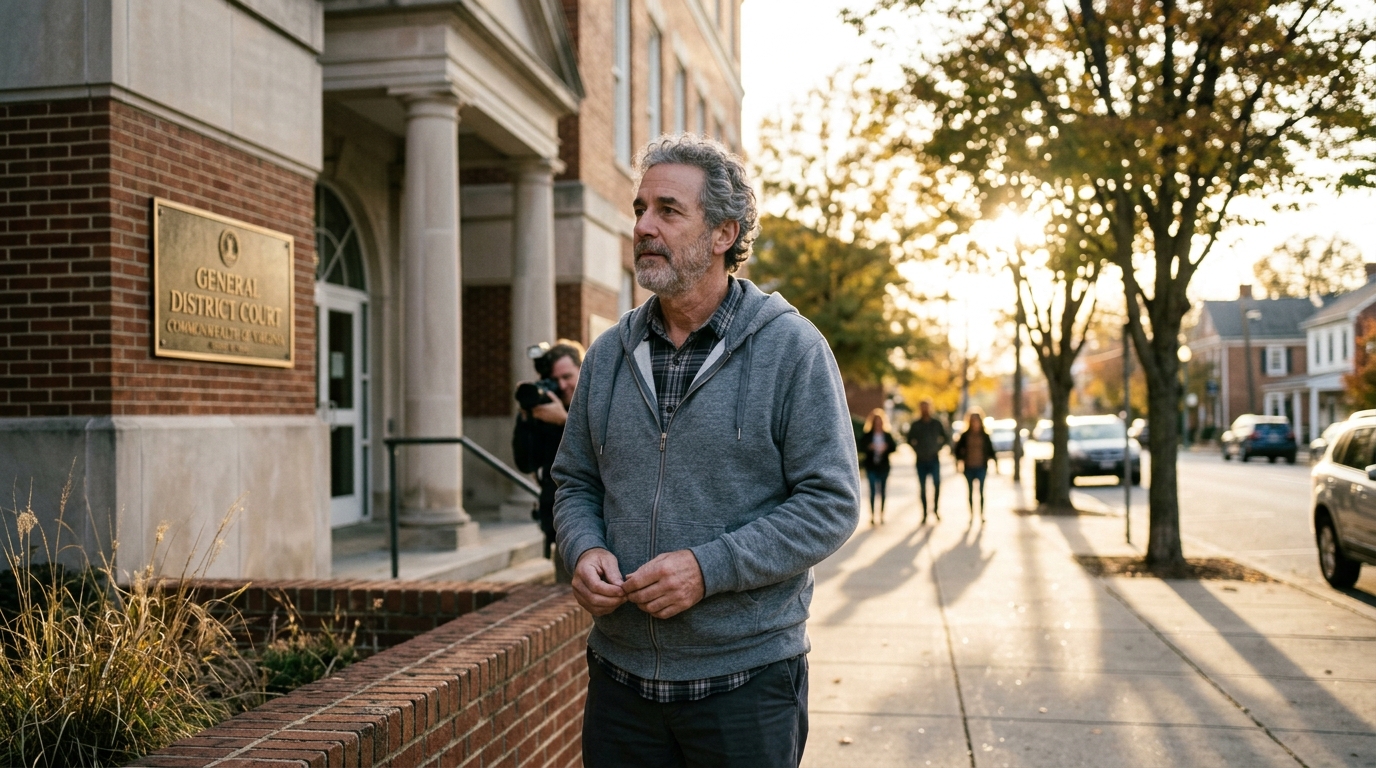
A Virginia man has been released after a judge vacated his murder conviction, allowing him to walk free after spending 25 years in prison. The decision highlights the justice system's capacity for review and correction, prompting a look at the profound impact of long-term incarceration and the challenges of re-entry.