D.C. Judge Halts Imminent Removal of City Bike Lanes
Share this article

WASHINGTON, D.C. – A recent judicial order has temporarily halted the imminent removal of designated bike lanes across Washington, D.C., marking a significant development in the ongoing debate over urban planning and transportation infrastructure in the nation's capital. The ruling, reported by The New York Times, prevents the immediate dismantling of these cycling corridors, which are a critical component for many D.C. commuters and recreational riders.
The decision comes amidst heightened discussions about how D.C. balances the needs of cyclists, pedestrians, drivers, and local businesses. Bike lanes, while championed by cycling advocates for safety and environmental benefits, have sometimes drawn criticism from other segments of the community concerned about parking availability and traffic flow.
The Court's Intervention
Details surrounding the specific legal challenge leading to the judge's order remain under wraps, but the outcome is clear: the District government cannot proceed with any immediate plans to remove existing bike lanes. This judicial intervention underscores the legal complexities that can arise in urban development projects, particularly those that redefine public space and transportation patterns. Legal challenges often focus on procedural aspects, environmental impact assessments, or adherence to established city planning protocols.
For residents and policymakers in Washington, D.C., this ruling means a pause in any planned changes to the city’s cycling network. The District Department of Transportation (DDOT) is typically responsible for the planning, design, and maintenance of D.C.'s transportation infrastructure, including its extensive network of bike lanes. This judicial pause will likely prompt a review of current plans and potentially open new avenues for dialogue between city officials and various community stakeholders.
The Ongoing Debate Over D.C. Bike Lanes
Washington, D.C., has significantly expanded its bike lane network over the past decade, aiming to promote sustainable transportation and enhance cyclist safety. From protected lanes along Pennsylvania Avenue NW to dedicated paths connecting neighborhoods like Columbia Heights and Shaw, these lanes have transformed the urban landscape. However, their implementation has not been without controversy.
Advocates, including groups like the Washington Area Bicyclist Association (WABA), consistently highlight the safety benefits of separated bike infrastructure, citing reductions in accidents and encouraging more people to choose cycling. They argue that a robust bike lane network is essential for achieving the city's climate goals and improving public health. Conversely, some business owners and residents express concerns about the loss of parking spaces, potential impacts on customer access, and the overall effect on vehicular traffic congestion.
The latest court order injects a new layer of complexity into these discussions, signaling that significant changes to established infrastructure can face judicial scrutiny. It emphasizes the importance of transparent processes and comprehensive public engagement in decisions that affect thousands of daily commuters and the fabric of D.C. neighborhoods.
Implications for D.C. Commuters and Urban Planning
For the thousands of Washingtonians who rely on bicycles for their daily commute or leisure, the judge's order offers a degree of certainty regarding the immediate future of the city's cycling infrastructure. It ensures that the lanes they currently use will remain in place, at least for the time being. This stability is crucial for planning commutes and maintaining safety expectations.
From an urban planning perspective, this ruling could influence how future infrastructure projects are conceived and executed in D.C. It highlights the need for thorough legal review and public discourse before implementing changes that could significantly alter the urban environment. The Washington Metropolitan Area Transit Authority (WMATA), while primarily focused on public transit, also plays a role in the broader regional transportation ecosystem, and any changes to D.C.'s street-level infrastructure can have ripple effects across the DMV.
What's Next for D.C. Streets?
The temporary injunction means that the District government will need to re-evaluate its approach to any proposed bike lane removals. This could involve further legal proceedings, revised public consultation processes, or a re-assessment of the original rationale for removal. The ultimate resolution will depend on the specifics of the legal challenge and the city's response.
For residents, staying informed about local government announcements and community meetings regarding transportation initiatives will be key. This judicial decision serves as a reminder that the evolution of D.C.'s streets is a dynamic process, shaped by legal challenges, community input, and the city's commitment to creating a livable and accessible urban environment. The debate over how best to share D.C.'s valuable street space is far from over, and the courts will continue to play a role in shaping its future.
📍 Local Resources: Washington, D.C.
Responsible for planning, designing, and maintaining D.C.'s transportation infrastructure, including bike lanes, roads, and bridges.
Advocates for better bicycling conditions and promotes cycling as a mode of transportation and recreation in the D.C. metro area.
Provides legal representation to the District of Columbia and its agencies, potentially involved in legal proceedings concerning city infrastructure.
Explore more on this topic
Related Stories

Fairfax County Public Schools' Federal Funding Lawsuit Revived by Appeals Court
An appeals court has revived Fairfax County Public Schools' lawsuit against the U.S. Department of Education, challenging the withholding of federal funds over the district's policies supporting transgender students. This decision sends the case back to a lower court, marking a critical step for FCPS in its fight to restore millions in federal aid.
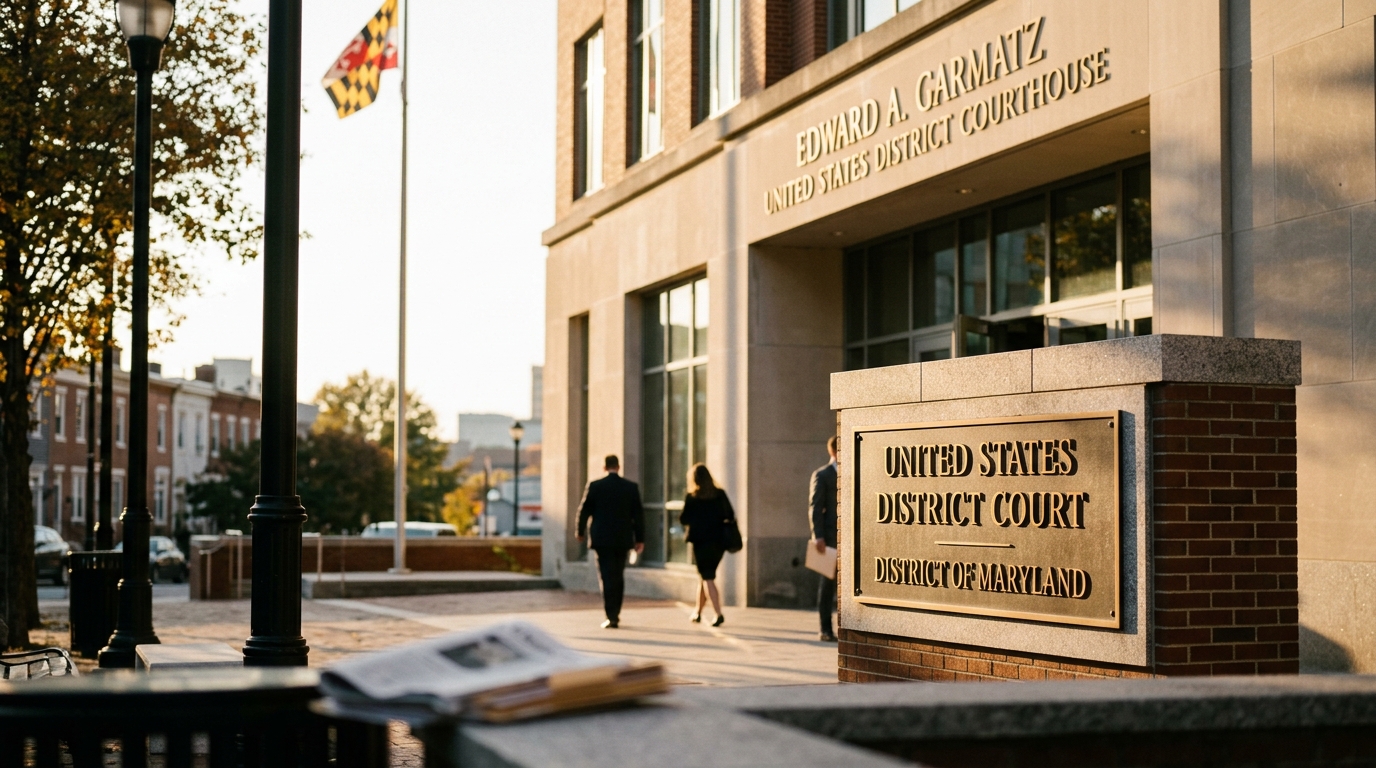
Federal Judge Rejects Maryland Attorney General's Bid for ICE Records on Baltimore Facility
A federal judge has rejected the Maryland Attorney General's bid to obtain records from an ICE detention facility in Baltimore, marking a setback for state-level transparency efforts into federal immigration operations within Maryland.
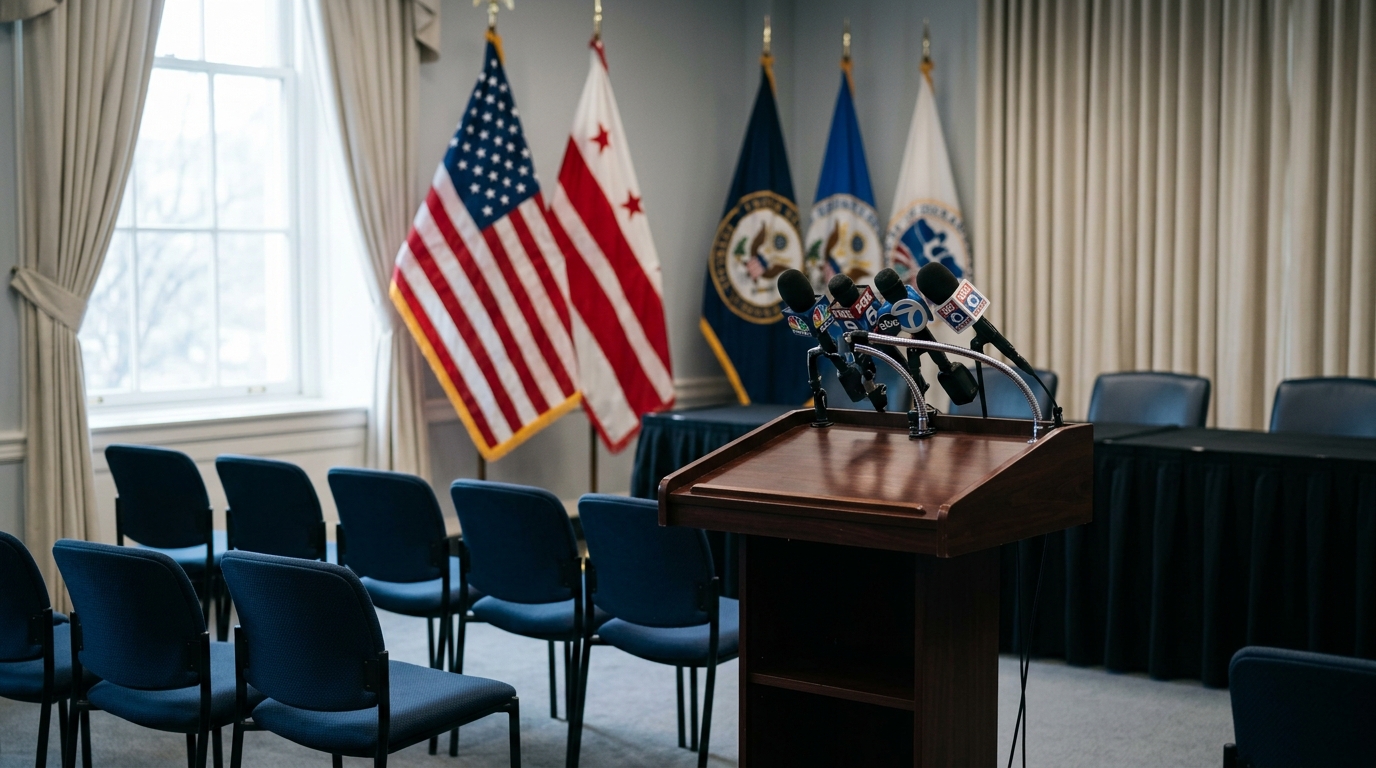
D.C. Council Member Trayon White Seeks Acquittal in Federal Bribery Case After Mistrial
A federal judge will decide whether to acquit D.C. Council member Trayon White in his bribery case after a mistrial, or allow prosecutors to pursue a retrial. The Ward 8 representative's legal team argues for dismissal, while prosecutors point to recorded evidence.