Washingtonians Strategize 'Staycation' Plans as the District Empties for the Holidays
Share this article
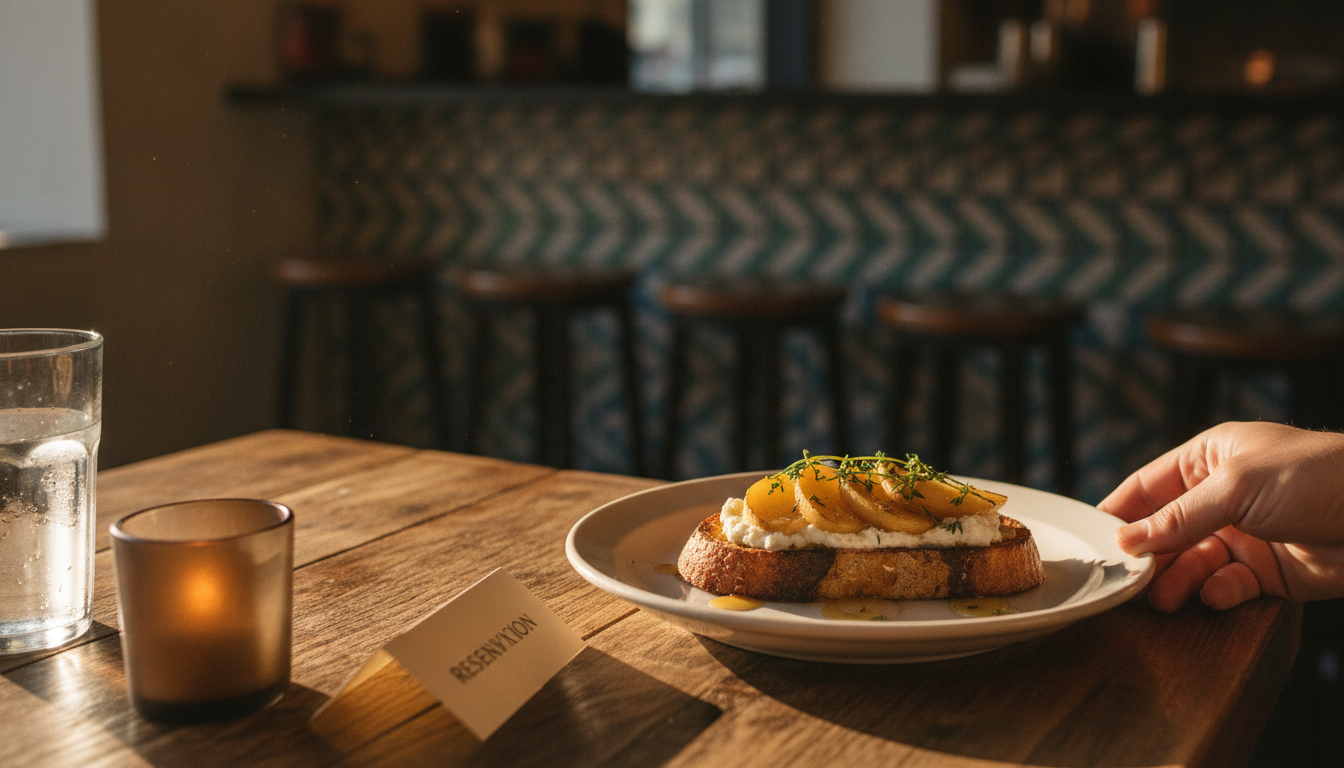
As the annual holiday exodus removes thousands of transient residents, federal workers, and university students from Washington, D.C., local community networks are actively crowdsourcing strategies to take advantage of the temporarily vacant city. The seasonal population drop creates a rare window of accessibility for typically crowded District institutions, prompting residents who stay behind to reevaluate their weekend routines.
The local neighborhood blog PoPville catalyzed the discussion this week, calling on its readership to share their preferred destinations when the usual urban congestion dissipates. The inquiry highlighted a distinct, localized phenomenon: the transformation of the nation's capital into a "delightfully quiet" enclave for permanent residents during the late-year holidays.
Reclaiming the Green Spaces
A primary focus for residents remaining in the District is the sudden accessibility of major outdoor venues. Throughout the year, parking and trail congestion can limit access to the city's premier green spaces. The holiday lull temporarily suspends these barriers.
Among the top targets for locals are the U.S. National Arboretum in Northeast D.C. and the Hillwood Estate, Museum & Gardens in Northwest. The Arboretum, which spans 446 acres and is operated by the Department of Agriculture, frequently sees heavy vehicle traffic during peak spring and summer months. During the holiday window, locals report having the expansive grounds—including the iconic National Capitol Columns and the Asian Collections—largely to themselves.
Similarly, Rock Creek Park becomes a focal point for winter recreation. The National Park Service manages the 1,754-acre park, which serves as a vital transit artery for commuters on weekdays. With federal offices operating at reduced capacity and schools closed, the park's paved trails and wooded hiking paths see a significant drop in foot and bicycle traffic, allowing residents to navigate the space without the usual bottlenecks.
Dining and Cultural Access
The conversation among residents also points to a shift in the local hospitality and cultural sectors. Securing a table at high-demand restaurants or navigating the Smithsonian museums often requires weeks of advance planning or enduring long queues.
The PoPville thread specifically noted the appeal of finally securing a seat at popular neighborhood spots like Eebee's. The restaurant industry in the District often experiences a localized shift during this period; while downtown establishments catering to office workers may see a sharp decline in lunch traffic, neighborhood dining rooms become more accessible to walk-in patrons.
Museums on the National Mall follow a similar pattern. While the immediate days surrounding federal holidays can draw regional tourists, the broader weeks of late November and December offer District residents a chance to view exhibits without the dense crowds characteristic of the spring cherry blossom season or summer break.
For residents navigating the city during this period, transportation logistics also shift. While vehicle traffic is notably lighter, those relying on public transit must account for modified schedules. The Washington Metropolitan Area Transit Authority (WMATA) typically operates on reduced or weekend service levels during actual federal holidays, though standard service remains in effect for the surrounding quiet weeks.
📍 Local Resources: Holiday Access
446-acre botanical research facility and public garden.
Decorative arts museum and expansive gardens in Northwest DC.
Federal park offering hiking, biking, and nature centers.
As the weeks progress, residents will continue to monitor neighborhood forums for real-time updates on restaurant availability and park conditions. The quiet period typically extends through the first week of the new year, giving locals a limited but highly valued window to experience the District on their own terms before the standard pace of federal and academic life resumes.
Explore more on this topic
Related Stories
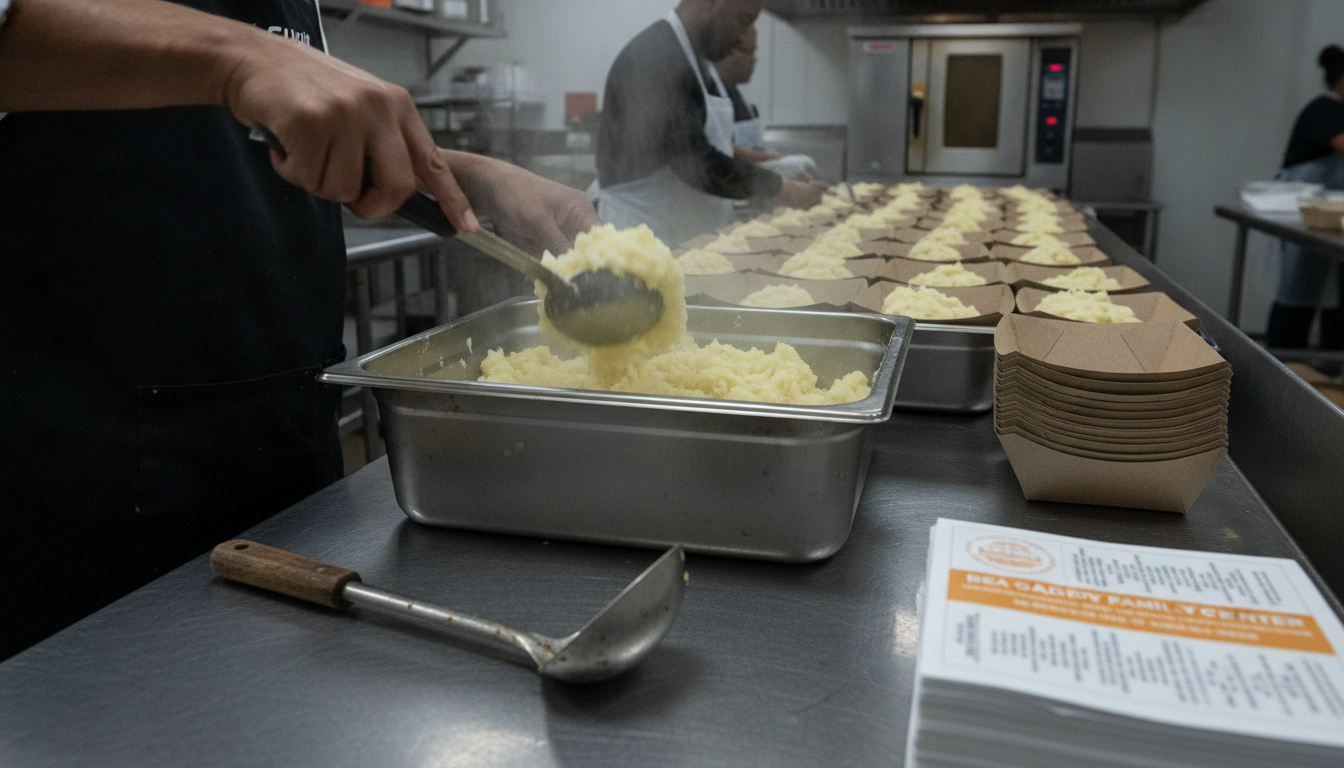
Bea Gaddy Center Marks 45 Years of Serving Thanksgiving Meals in Baltimore
The Bea Gaddy Family Center is marking its 45th year of providing Thanksgiving meals to Baltimore residents in need, continuing a massive volunteer-driven tradition that began with a single lottery ticket in 1981.
Lainie Rutkow Appointed 17th Provost of Johns Hopkins University Following Global Search
Following a global search, Johns Hopkins University has named public health lawyer and long-time faculty member Lainie Rutkow as its 17th provost, effective December 1.
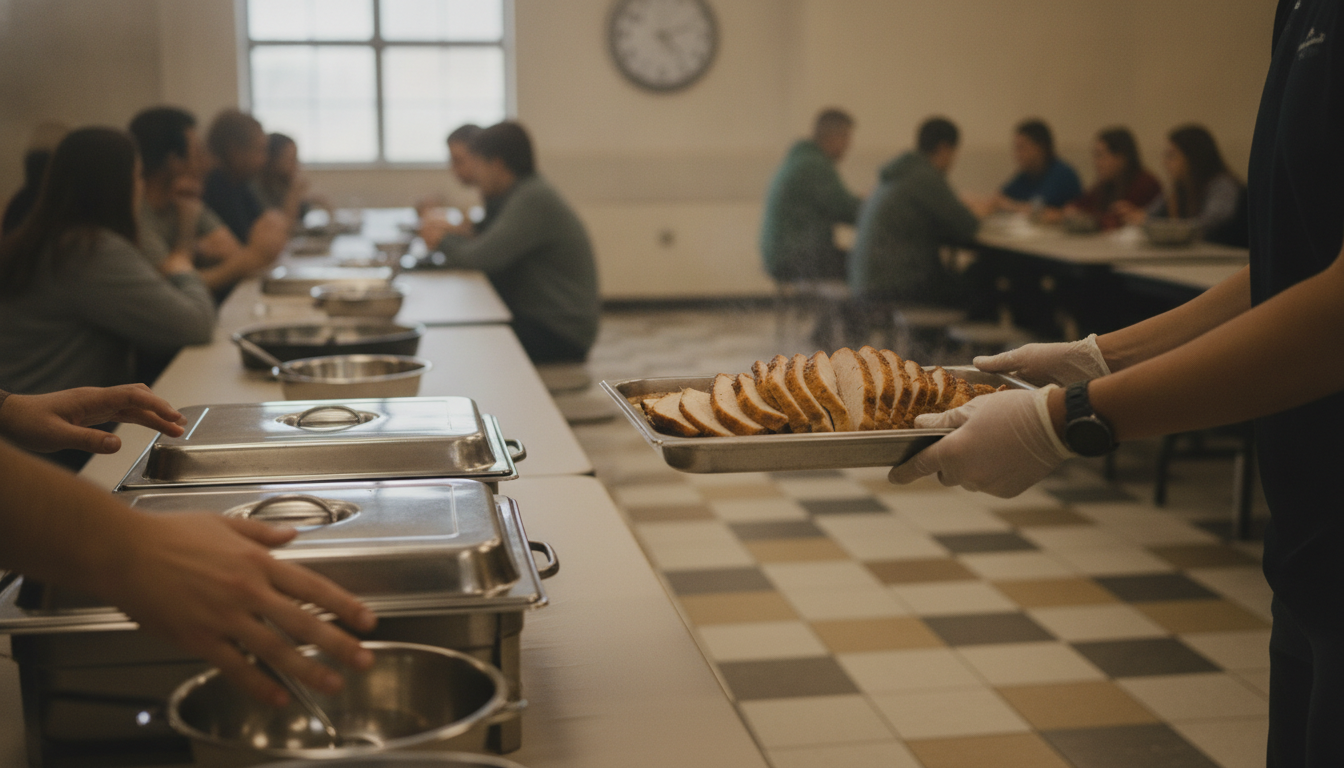
Northern Virginia Juvenile Detention Center Hosts Heartfelt Thanksgiving Family Reunion
Families reunited over a special Thanksgiving meal at the Northern Virginia Juvenile Detention Center, an event staff say is crucial for helping young residents on their path to recovery.