Connecticut Avenue Bus Reroutes Signal Ongoing Urban Transformation in DC
Share this article
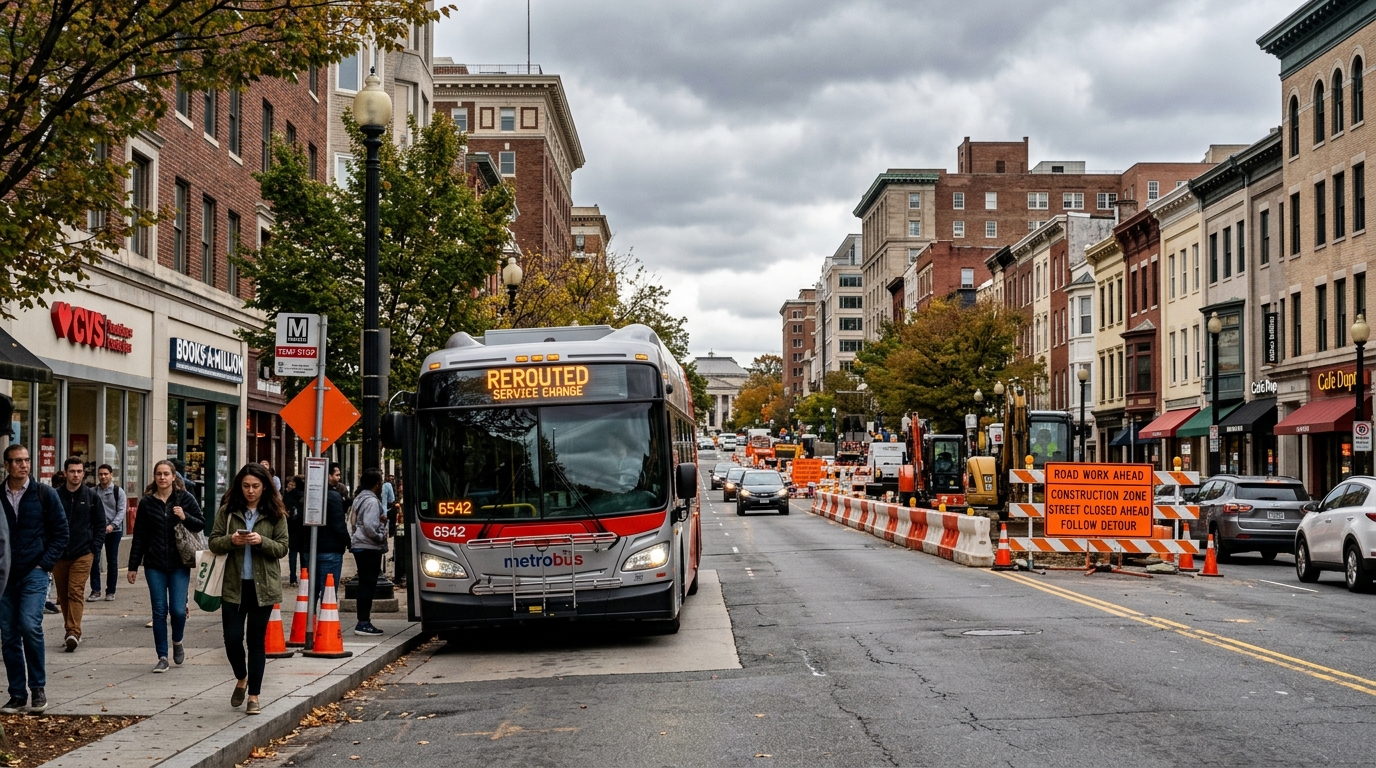
A familiar rhythm of urban life in Washington, D.C., is shifting along Connecticut Avenue, as local transit services announce reroutes for buses due to ongoing infrastructure work [1]. This adjustment, while a temporary change for daily commuters, highlights the continuous evolution and maintenance essential for the city's vital arteries.
Connecticut Avenue, a thoroughfare known for its stately architecture, bustling commercial districts, and residential enclaves stretching from Lafayette Square to Chevy Chase, is no stranger to the ebb and flow of urban development. The current work necessitates changes to bus routes that typically traverse this iconic corridor, impacting those who rely on public transportation for their daily journeys through neighborhoods like Dupont Circle, Woodley Park, and Cleveland Park.
Navigating the Changes on a Historic Corridor
The rerouting of buses along Connecticut Avenue, as indicated by transit advisories [1], underscores the persistent need for upkeep and upgrades within a densely populated urban environment. While specific details on the nature of the work remain sparse from initial reports, such projects often involve critical infrastructure improvements, ranging from utility repairs beneath the streets to surface road reconstruction or enhancements to pedestrian facilities.
For thousands of Washingtonians, bus service is an indispensable link to employment, education, and community. The temporary alteration of routes means commuters accustomed to specific stops and timings will need to consult updated schedules and maps. The Washington Metropolitan Area Transit Authority (WMATA), which operates the city's bus network, typically provides real-time updates through its website and various digital platforms to help riders navigate these changes.
Impact on Daily Commutes and Local Life
Even minor adjustments to established transit patterns can ripple through daily routines. A reroute might mean an extra block to walk, a slightly longer journey, or the need to transfer where none was required before. These moments of adaptation become part of the urban experience, a testament to the city's constant state of renewal.
The District Department of Transportation (DDOT) oversees many of the infrastructure projects that lead to such transit adjustments. Their work is vital for maintaining the safety and efficiency of the city's transportation network, from bridges and roadways to sidewalks and bike lanes. These projects, while sometimes inconvenient in the short term, are investments in the long-term vitality and accessibility of Washington, D.C.
Looking Ahead: Adapting to Urban Evolution
As the work on Connecticut Avenue progresses, residents are encouraged to stay informed through official channels. The city's commitment to improving its infrastructure is a continuous endeavor, shaping the landscape and flow of daily life. These reroutes are a tangible reminder that even the most established urban pathways are subject to change and enhancement, ensuring they can continue to serve the diverse needs of the District's population for years to come.
Understanding the reasons behind these changes and utilizing available resources can help mitigate the impact on personal schedules. The broader narrative is one of a city actively working to maintain and modernize its core, a process that inherently involves temporary disruptions for lasting improvements.
📍 Local Resources
For real-time bus alerts, service updates, and route information across Washington, D.C.
Connects residents with D.C. government services and information, including street maintenance and public works.
Information on ongoing road projects, street closures, and transportation planning in Washington, D.C.
Explore more on this topic
Related Stories
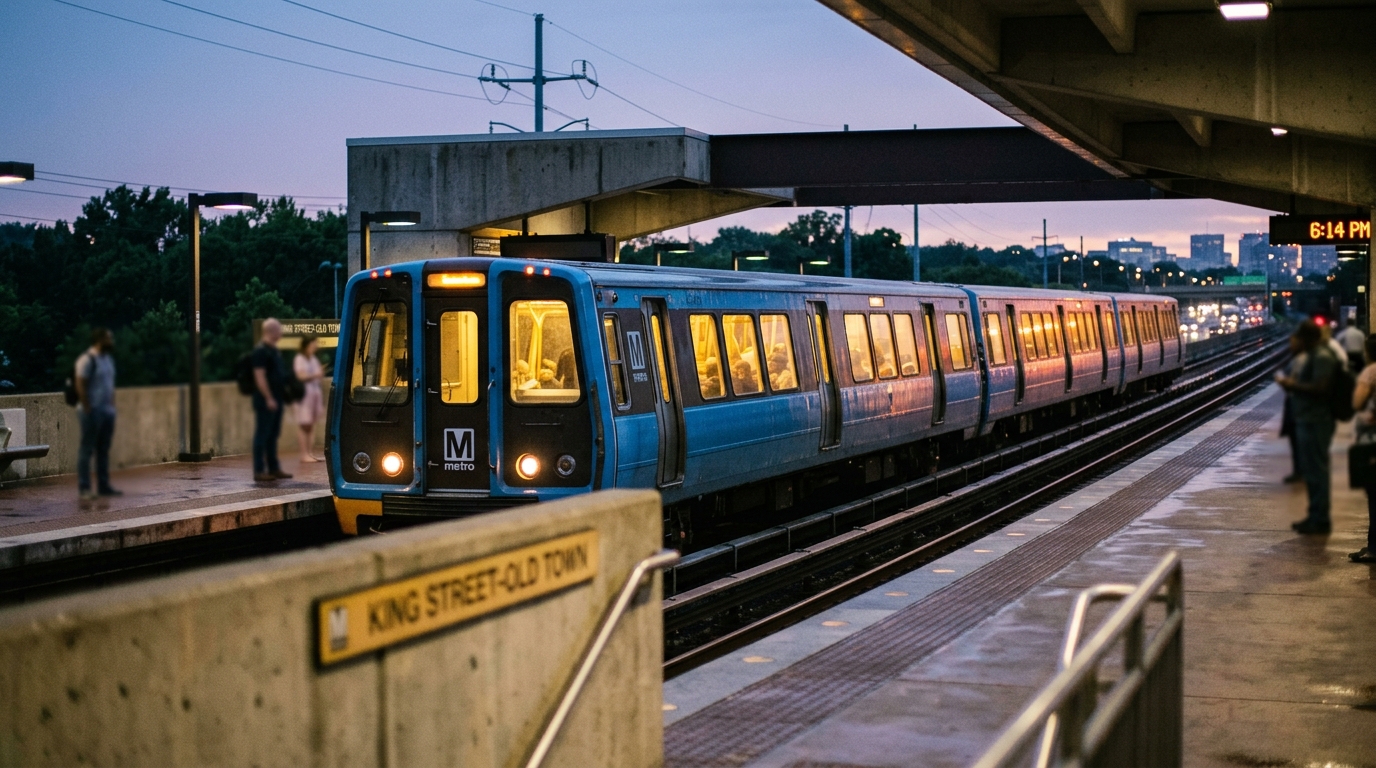
Multiday Amtrak and VRE Service Pause Between DC and Virginia Set for Friday
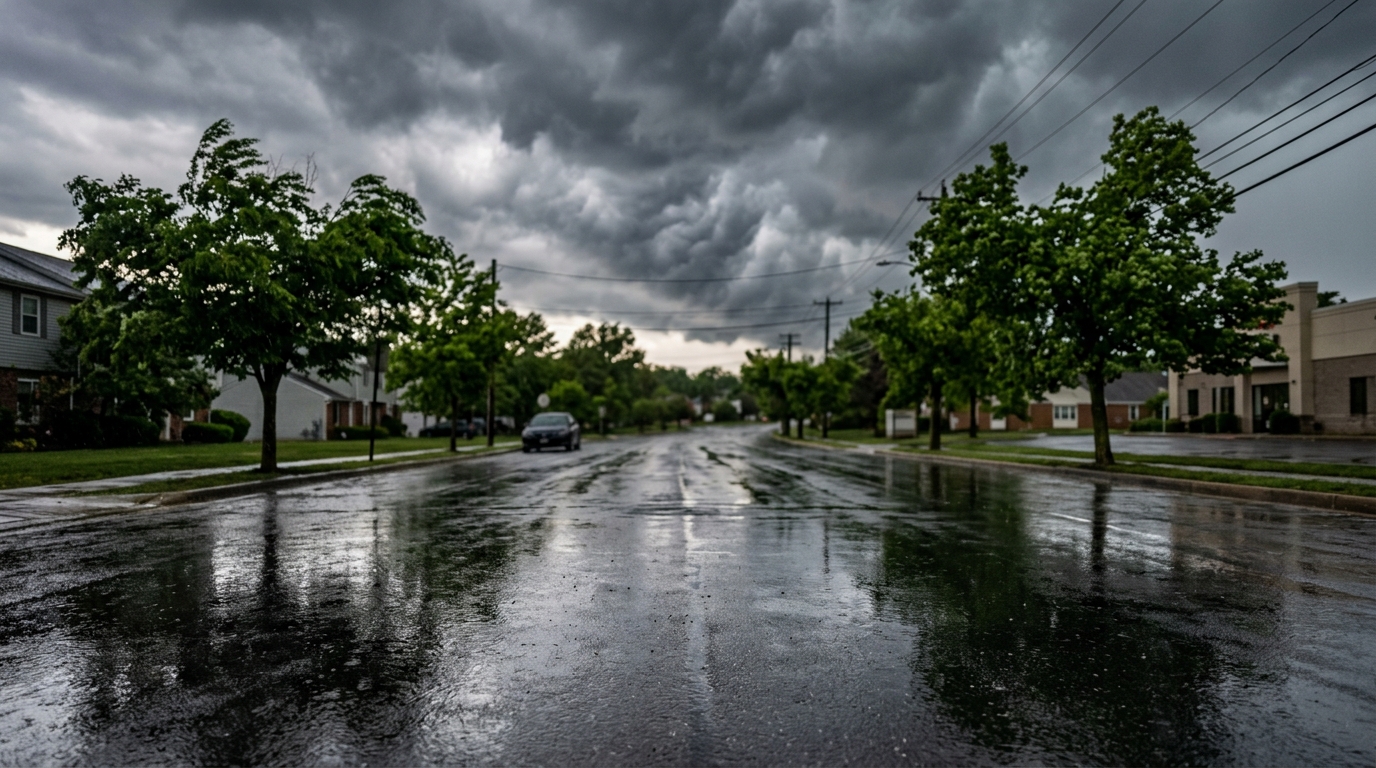
Maryland Braces for Wild Weather Swings: From 85 Degrees to Tornado Threats and a Cold Snap
Maryland is gearing up for a weather rollercoaster this weekend, with temperatures potentially hitting 85 degrees before threats of damaging winds, possible tornadoes, and a sharp cold front sweep through the region. DMV residents in Maryland should prepare for rapid shifts and severe weather.
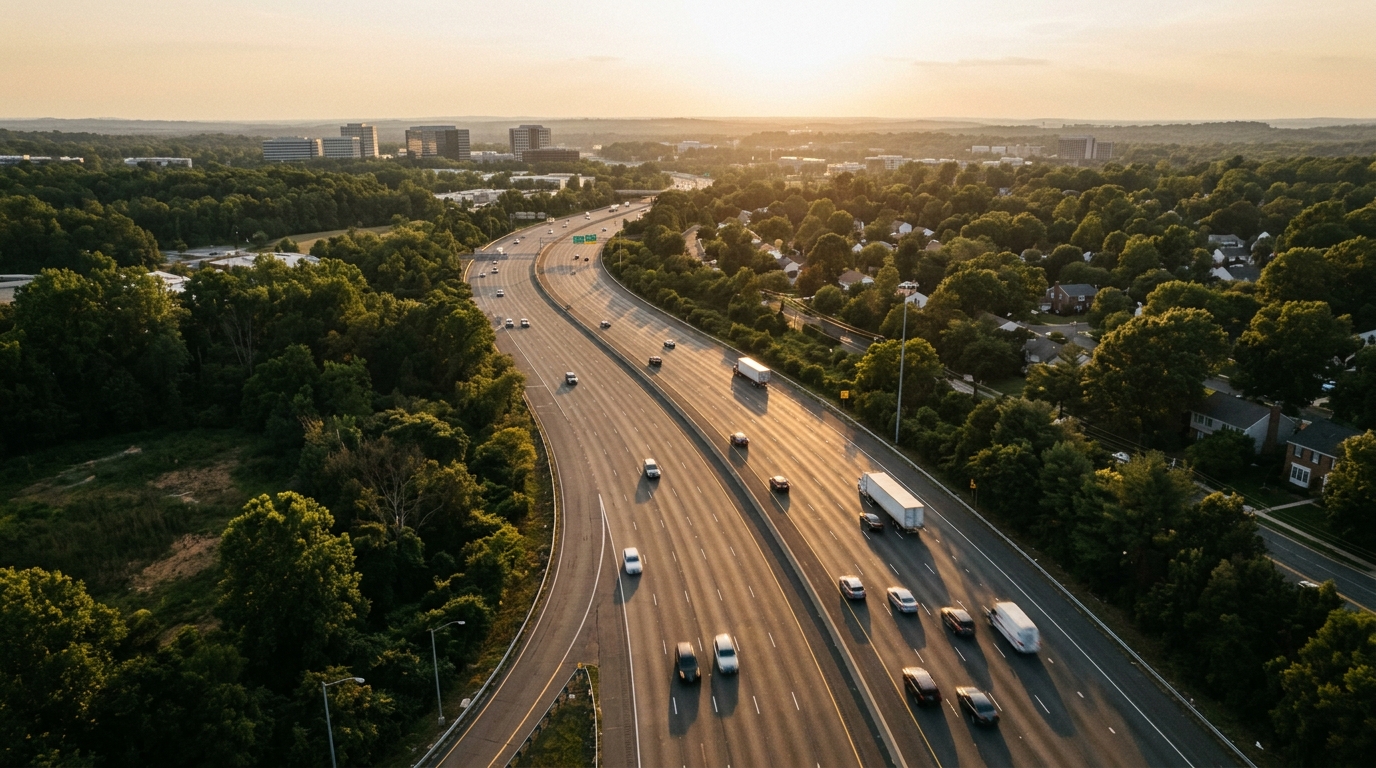
Fairfax County to Cut Speed Limits to 20 MPH on Ten Local Roads
Fairfax County is set to lower speed limits to 20 miles per hour on ten local roads, a move designed to boost safety for pedestrians and residents in neighborhood areas. This initiative reflects the county's commitment to traffic calming and reducing accident severity.