Civil Rights Groups Urge Action on DC Voting Rights Ahead of Midterm Elections
Share this article
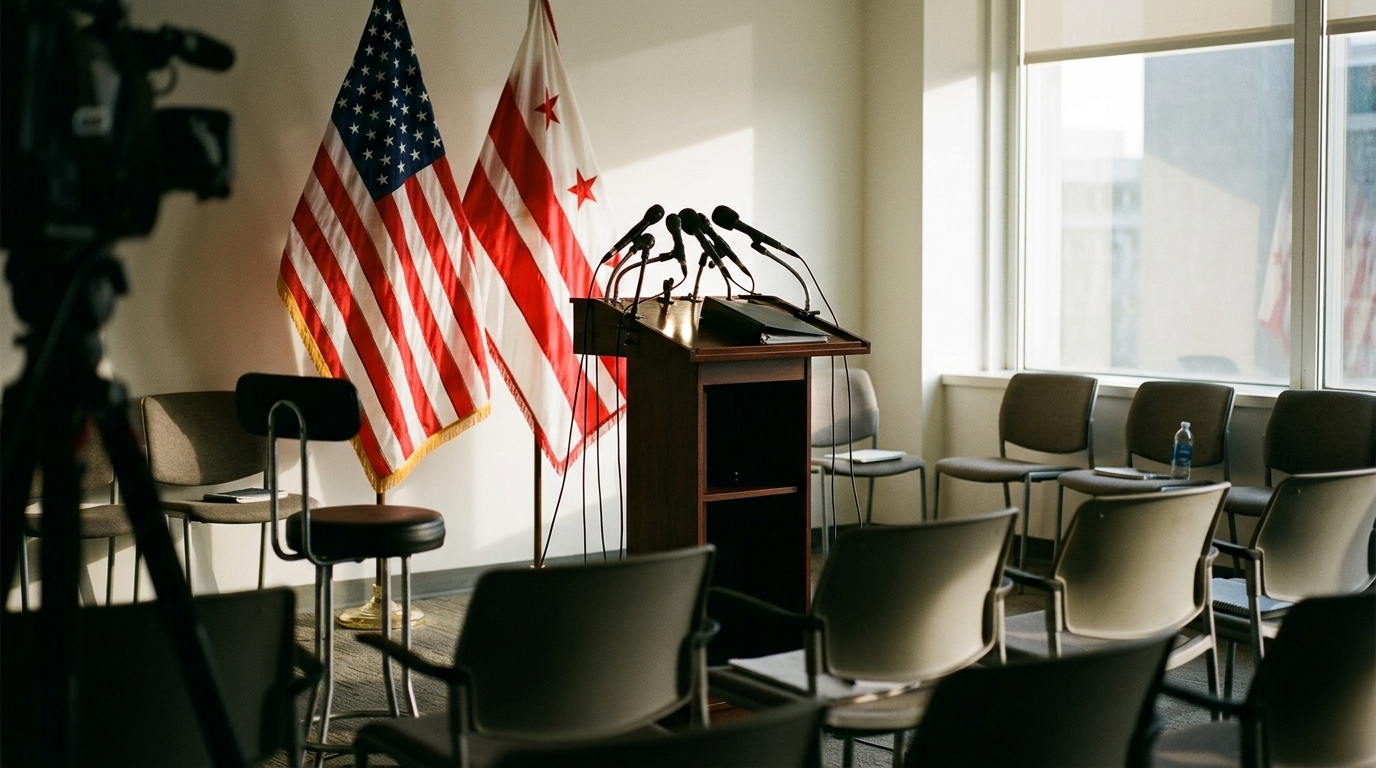
The Unique Landscape of DC Voting
Washington, DC, finds itself in a peculiar position when it comes to voting rights, a status that often fuels such pleas from advocacy groups. Unlike residents of states, DC citizens do not have full voting representation in the U.S. Congress. They elect a non-voting delegate to the House of Representatives, who can participate in committee hearings and floor debates but cannot cast a vote on final legislation. The District has no representation in the Senate. This lack of full federal representation means that laws directly impacting DC residents can be passed by Congress without their elected representatives having a say in the final outcome. This unique situation has historically been a central point of contention for civil rights advocates and local leaders alike, who argue that it denies hundreds of thousands of American citizens their fundamental democratic rights. Organizations like the DC Board of Elections work tirelessly to ensure local elections are fair and accessible, but the federal issue remains a persistent challenge.Midterm Stakes for the District
The timing of this urgent plea — "ahead of midterm elections" — is particularly significant. While the District's federal representation isn't directly tied to these elections in the same way as a state, national elections often bring increased attention to voting rights issues across the country. Civil rights groups frequently leverage these moments to put pressure on lawmakers and raise public awareness about disparities in democratic access. For DC residents, midterm elections are crucial for local governance, determining who holds positions on the Council of the District of Columbia, the Mayor's office, and other local boards. These local races directly impact daily life in the city, from education and housing to public safety and transportation. However, the larger context of federal voting rights often looms over these local contests, reminding residents and advocates of the broader fight for self-determination. Organizations such as the American Civil Liberties Union (ACLU) consistently advocate for robust voting rights nationwide, often highlighting the unique challenges faced by the District.What This Means for Local Residents
While the specific proposals from these civil rights groups are not yet public, their plea underscores a continuing commitment to securing full voting rights for DC residents. This could involve advocating for statehood, pushing for specific legislative reforms in Congress, or mobilizing local communities to highlight the issue. Residents should expect this conversation to intensify as the midterm election cycle progresses. The call serves as a reminder that the struggle for equitable representation is ongoing. For those living in the District, this means staying informed about local and federal legislative efforts related to voting rights and understanding the unique challenges that persist. The broader implications extend to the very idea of democracy in the nation's capital, prompting questions about fairness and the principle of "no taxation without representation" that has historically resonated throughout American civic discourse. Further information on the historical context of DC's voting rights can often be found through academic institutions and research bodies, such as this overview of DC's representation issues. As the midterm elections draw nearer, the focus on DC's voting rights is likely to remain sharp. Residents are encouraged to engage with local advocacy groups and monitor legislative developments to understand how this urgent plea might translate into concrete action for greater democratic equity in the District.📍 Local Resources
Official source for voter registration, election information, and local voting procedures in Washington, DC.
A non-profit advocacy organization dedicated to achieving full voting rights and equality for the residents of Washington, DC.
Works to ensure the political, educational, social, and economic equality of rights of all persons and to eliminate race-based discrimination, including advocating for voting rights.
Explore more on this topic
Related Stories
Fairfax City to Host Public Meetings on November Sales Tax Referendum
Fairfax City voters will decide on a general retail sales tax increase of up to 1% this November, with the city planning information meetings to explain the proposal for construction and other key projects.
Governor Moore Engages Marylanders on Election Integrity, Rising Utility Costs
Baltimore Launches "Hope Lives Here" Campaign to Combat Substance Use Disorder Stigma
Baltimore has launched a new "Hope Lives Here" campaign to combat the stigma surrounding substance use disorder, aiming to reframe addiction as a disease rather than a personal failing and improve access to vital resources.