Cecil County Officers Not Liable in Opioid Withdrawal Death, Appeals Court Rules
Share this article

Understanding the Fourth Circuit's Decision
The Fourth Circuit’s ruling found that correctional officers in Cecil County were not to be held liable in the specific case of a woman who died from opioid withdrawal [1]. While the primary source is concise on the details of the case itself, the essence of the ruling points to the court's assessment of the officers' actions, or inactions, in relation to the woman's death. Federal appeals courts like the Fourth Circuit typically review decisions made by lower district courts, examining whether legal errors occurred or if established legal standards were properly applied. The legal standard for proving liability against correctional officers in such circumstances often involves demonstrating deliberate indifference to serious medical needs. This is a high bar, requiring evidence that officers were aware of a substantial risk of serious harm and disregarded that risk. Simply proving negligence or malpractice isn't enough; the standard requires a showing of intentional disregard. The Fourth Circuit's decision suggests that, in this particular Cecil County case, the evidence presented did not meet that threshold for the officers involved.The Opioid Crisis and Correctional Facilities
The issue of opioid withdrawal in correctional facilities is a pervasive and challenging one, deeply intertwined with the ongoing national opioid crisis. Individuals entering jail or prison often arrive with untreated substance use disorders, and the abrupt cessation of opioids upon incarceration can trigger severe, life-threatening withdrawal symptoms. These symptoms can include intense pain, vomiting, diarrhea, seizures, and cardiac complications, potentially leading to death if not properly managed. Correctional staff, from officers to medical personnel, face immense pressure to identify and address these complex medical needs within resource-constrained environments. The Maryland Department of Public Safety and Correctional Services, like similar agencies nationwide, continuously grapples with providing adequate medical care for a diverse inmate population, many of whom have significant health issues. This case from Cecil County, located in northeastern Maryland, brings into focus the daily realities faced by local jails and their personnel.Implications for Inmate Care in Maryland
This ruling could have implications for how similar cases are approached in the future, not just in Cecil County, but potentially across Maryland and other states within the Fourth Circuit's purview. It underscores the legal protections afforded to correctional officers unless a clear standard of deliberate indifference is met. For families of inmates, such decisions can be deeply frustrating, raising questions about accountability and the quality of care behind bars. Advocacy groups and legal aid organizations frequently highlight the need for improved medical protocols and training for correctional staff to manage opioid withdrawal and other serious health conditions. The U.S. Court of Appeals for the Fourth Circuit is a pivotal body in shaping legal precedent for how constitutional rights are interpreted within correctional settings. While this specific ruling found no liability, it doesn't diminish the broader discussion about the critical need for comprehensive medical care for inmates, especially given the severity of the opioid epidemic. The decision from the Fourth Circuit serves as a stark reminder of the legal battles that often follow tragic incidents within the correctional system. As the opioid crisis continues to impact communities like Cecil County, the responsibility to provide appropriate medical care for incarcerated individuals remains a significant challenge for local and state authorities. Residents interested in understanding the specific workings of their local government and its services can consult the Cecil County, Maryland official website.📍 Local Resources
Provides free civil legal services to low-income people in Maryland, including those involved in the justice system.
Offers resources, treatment options, and prevention information for individuals and families affected by opioid use disorder.
Works to defend and preserve the individual rights and liberties guaranteed by the Constitution and laws of the United States, including advocating for civil rights of incarcerated individuals.
Explore more on this topic
Related Stories

Fairfax County Public Schools' Federal Funding Lawsuit Revived by Appeals Court
An appeals court has revived Fairfax County Public Schools' lawsuit against the U.S. Department of Education, challenging the withholding of federal funds over the district's policies supporting transgender students. This decision sends the case back to a lower court, marking a critical step for FCPS in its fight to restore millions in federal aid.
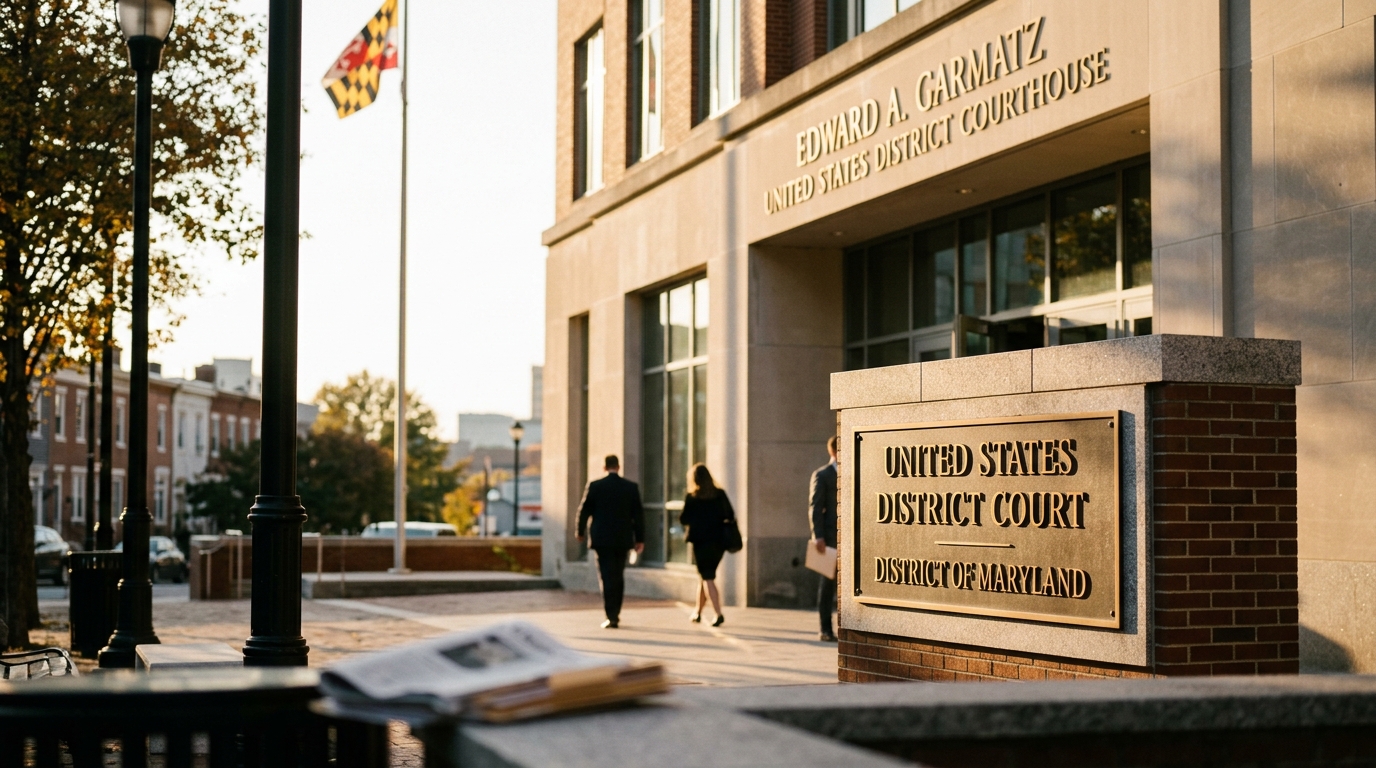
Federal Judge Rejects Maryland Attorney General's Bid for ICE Records on Baltimore Facility
A federal judge has rejected the Maryland Attorney General's bid to obtain records from an ICE detention facility in Baltimore, marking a setback for state-level transparency efforts into federal immigration operations within Maryland.
D.C. Council Member Trayon White Seeks Acquittal in Federal Bribery Case After Mistrial
A federal judge will decide whether to acquit D.C. Council member Trayon White in his bribery case after a mistrial, or allow prosecutors to pursue a retrial. The Ward 8 representative's legal team argues for dismissal, while prosecutors point to recorded evidence.