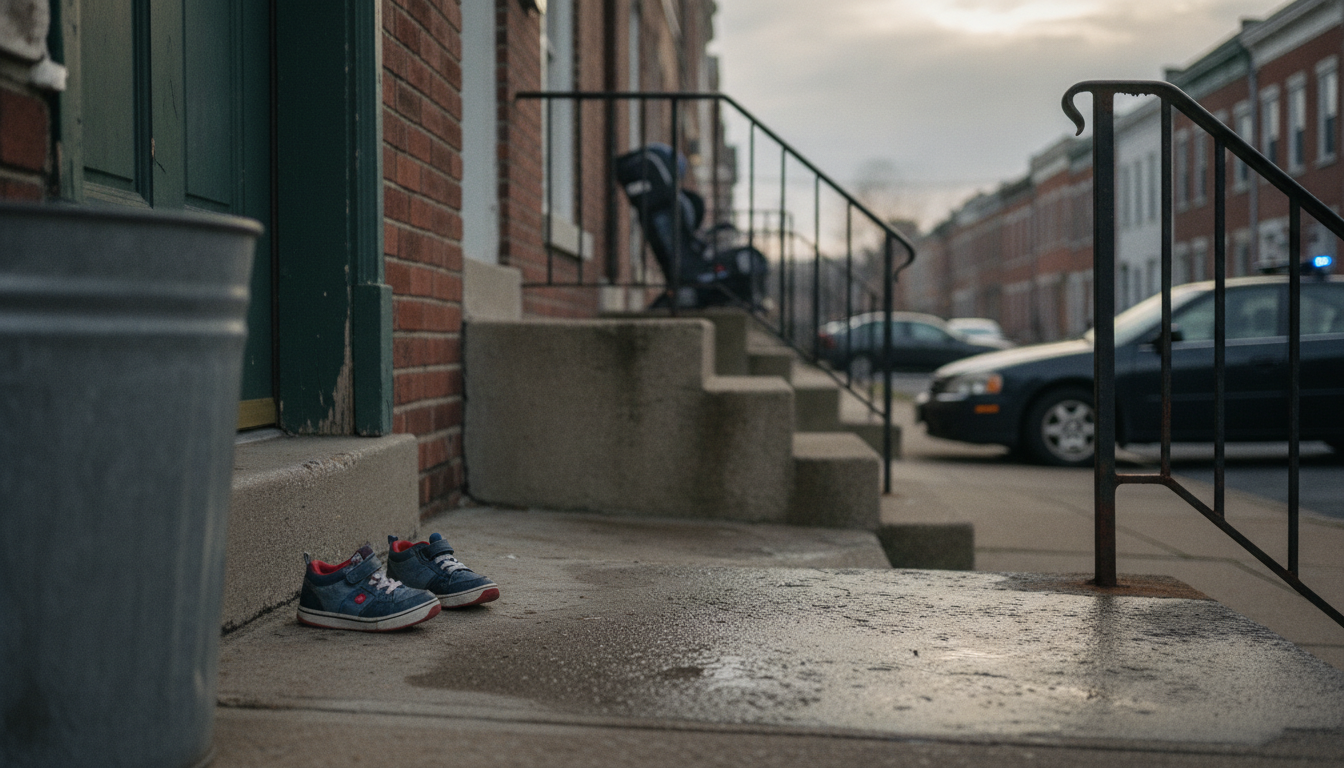
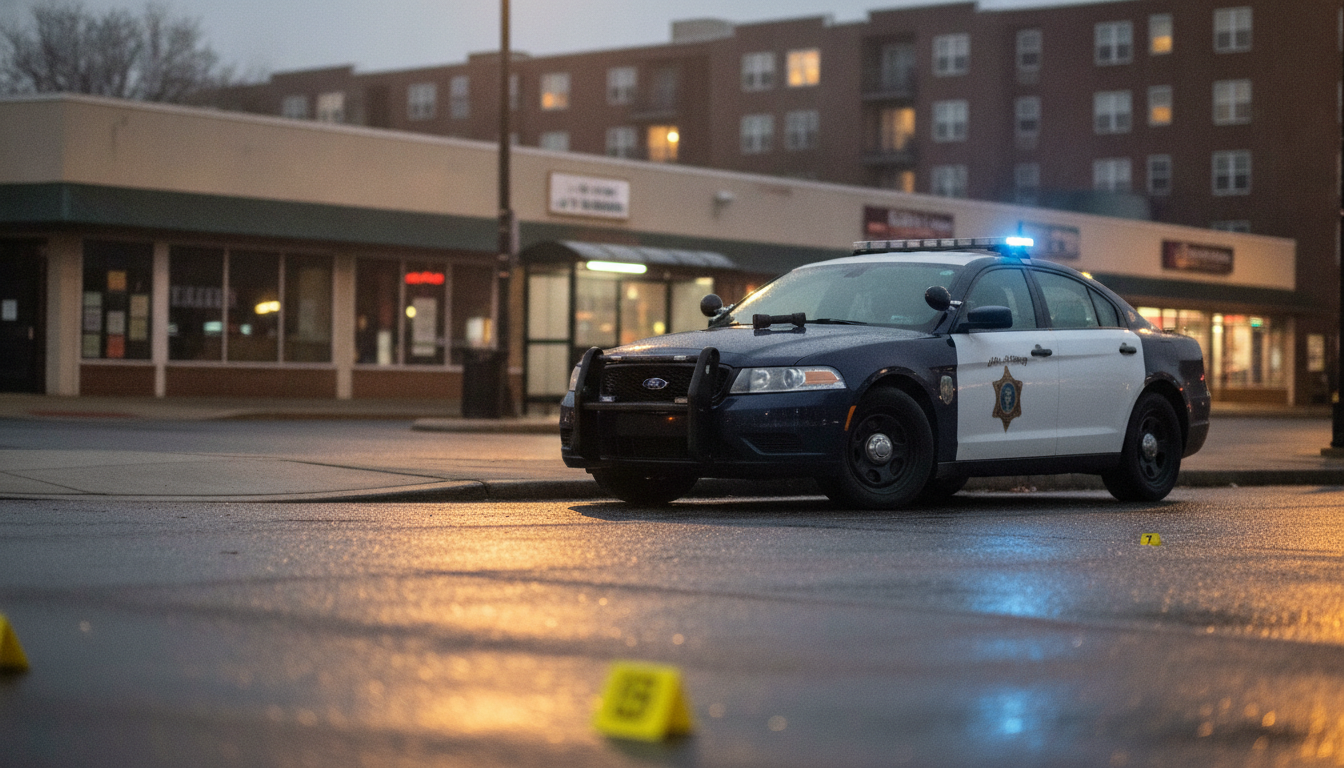
A 2-year-old boy in Baltimore sustained a gunshot wound to the foot after his father’s firearm accidentally discharged, according to local reports
[1]. The incident, first reported by
The Baltimore Banner, underscores the severe and immediate risks associated with firearm handling in households with young children
[1]. While the child survived the initial impact to his foot, details regarding the specific neighborhood, the time of the shooting, and the boy's current medical condition have not been publicly disclosed. In Maryland, law enforcement agencies mandate strict investigative protocols whenever a minor is injured by gunfire, regardless of intent. When an accidental discharge occurs, local police and Child Protective Services typically launch a joint inquiry to determine the sequence of events and assess whether criminal negligence or reckless endangerment charges are warranted. Investigators will examine the mechanical condition of the weapon, the environment in which it was being handled, and the actions of the father immediately preceding the discharge. Pediatric firearm injuries present unique trauma challenges. Children who suffer gunshot wounds to the extremities often require specialized orthopedic and vascular care to ensure proper bone growth and mobility are not permanently compromised. Regional trauma centers in the area are specifically equipped to handle pediatric ballistic injuries, focusing on both immediate surgical intervention and long-term physical therapy. The shooting brings renewed attention to firearm safety protocols across the state. Under Maryland law, gun owners carry a heavy legal burden regarding the safe handling and storage of weapons. While recent legislative efforts, such as Jaelynn's Law, have primarily focused on preventing minors from independently accessing unsecured firearms, the state's broader reckless endangerment statutes can apply when mishandling a weapon results in injury to a bystander, particularly a child. Data from the
Centers for Disease Control and Prevention (CDC) shows that unintentional firearm injuries remain a persistent public health issue. Safety advocates and law enforcement agencies continuously stress the fundamental rules of firearm safety: treating every weapon as if it is loaded, keeping the muzzle pointed in a safe direction, and keeping fingers off the trigger until intentionally firing. For Maryland residents, this incident serves as a critical reminder of the volatile nature of firearms in domestic settings. The
Maryland State Police actively promotes safe handling practices, noting that mechanical safeties are supplementary to, not replacements for, strict physical control of the weapon. Authorities have not yet confirmed if the father will face charges in connection with the accidental discharge.
📍 Local Resources: Firearm Safety & Child Protection
Maryland State Police - Licensing Division Information on Maryland firearm laws, safety training requirements, and safe storage protocols.
Project ChildSafe A nationwide program promoting safe firearms handling and storage practices among all firearm owners.
📍 Location: Distributes free firearm safety kits through local Maryland law enforcement agencies.