Baltimore Columnist Highlights Racism's Toll on Green Space in Black Neighborhoods, Echoing DMV-Wide Concerns
Share this article
The Roots of Inequality in Urban Planning
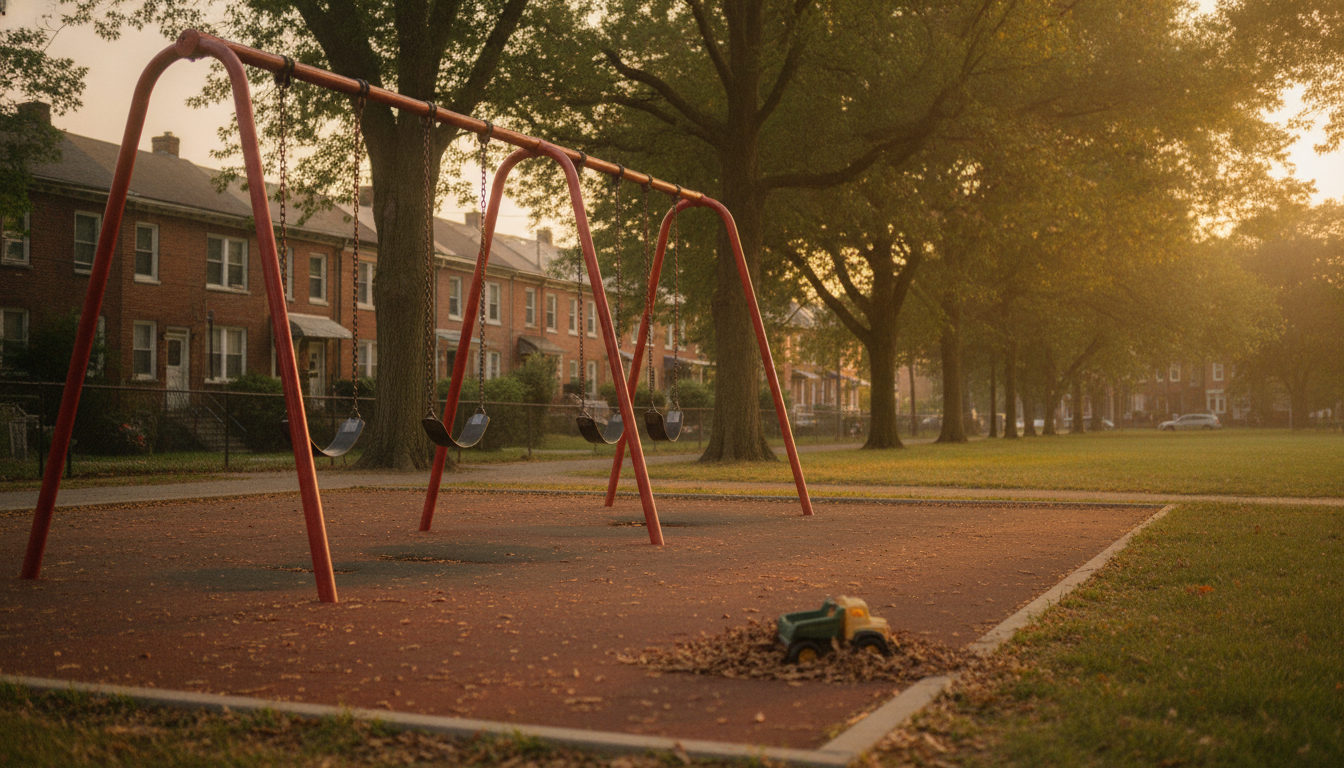
The issue of unequal access to green space isn't new, nor is it confined to Baltimore. It's a pattern deeply woven into the fabric of urban development across the United States, including right here in the DMV. Historically, practices like redlining, which denied services and investments to Black neighborhoods, directly contributed to the degraded environmental conditions many of these areas face today. While wealthier, often whiter, communities benefited from robust park systems and tree-lined streets, Black neighborhoods were frequently zoned for industrial uses, lacked proper infrastructure, and saw their existing green spaces neglected or repurposed. Streeter's column emphasizes that these historical injustices continue to manifest in present-day realities. It's not just about the *presence* of a park, but its *quality*. Are the playgrounds safe and modern? Are the walking paths well-maintained? Is there sufficient tree canopy to provide shade and mitigate the urban heat island effect? All too often, the answer in historically marginalized communities is a resounding no. This disparity in quality directly impacts public health, mental well-being, and community cohesion.Beyond Aesthetics: Health and Environmental Justice
The conversation around green space often centers on aesthetics or recreation, but Streeter's column rightly broadens the scope to environmental justice. Access to nature isn't just a luxury; it's a fundamental component of public health. Studies consistently show that communities with better access to green spaces experience lower rates of chronic diseases, improved mental health outcomes, and greater opportunities for physical activity. When these resources are systematically denied to Black neighborhoods, it exacerbates existing health disparities. Moreover, these communities often bear the brunt of environmental burdens. They're more likely to be located near highways, industrial sites, and waste facilities, leading to higher rates of air and water pollution. Quality green spaces can act as natural buffers, filtering air, managing stormwater, and offering respite from urban stressors. Denying these spaces, as Streeter points out, is a denial of environmental justice itself. The U.S. Environmental Protection Agency (EPA) defines environmental justice as "the fair treatment and meaningful involvement of all people regardless of race, color, national origin, or income, with respect to the development, implementation, and enforcement of environmental laws, regulations, and policies." Streeter's argument aligns directly with this definition, highlighting a critical failure to achieve it in many Black neighborhoods.Local Efforts and the Path Forward
While Streeter's column specifically addresses Baltimore, its message resonates across the DMV. From Anacostia in Washington, D.C., to parts of Prince William County in Virginia, and various communities in Maryland, the struggle for equitable green space is a shared one. Local governments and community organizations are increasingly recognizing this challenge and working to address it. For instance, initiatives like the District Department of Energy & Environment's (DOEE) green infrastructure projects aim to integrate more natural elements into urban landscapes, often prioritizing historically underserved areas. Similarly, park advocacy groups throughout Maryland and Virginia are pushing for more equitable funding and planning for green spaces. The key, as implied by Streeter's analysis, lies in intentionality. It requires city planners, policymakers, and community leaders to actively dismantle the systemic barriers that have historically prevented equitable access. This means not just building new parks, but investing in existing ones in underserved areas, ensuring they are safe, well-maintained, and reflective of community needs. It also means prioritizing tree planting initiatives in neighborhoods with low canopy cover, which often correlates with lower-income and minority communities. The Maryland Forest Service, for example, works on programs that promote tree planting and forest stewardship across the state, but targeted efforts are crucial for addressing historical inequities. For DMV residents, Streeter's column serves as a powerful call to action. It encourages us to look critically at our own neighborhoods and those around us. Are the green spaces truly equitable? Are all children, regardless of their zip code, enjoying the benefits of nature? This conversation is vital for fostering healthier, more resilient, and more just communities throughout our entire region. The ongoing dialogue sparked by Streeter's column underscores that achieving true environmental equity requires sustained effort and a commitment to undoing the legacies of past discrimination. What this means for DMV residents going forward is a continued push for policy changes, community engagement, and investment that prioritize green space access for everyone, ensuring that the benefits of nature are not a privilege, but a right. Keep an eye on local planning board meetings and community park initiatives; your voice can make a difference in shaping a greener, more equitable future.📍 Local Resources
Works to protect and restore the Anacostia River and its watershed, focusing on environmental justice and community engagement in DC and Maryland.
Dedicated to restoring, enhancing, and protecting the tree canopy of Washington, D.C., through tree planting, care, and education, often in underserved areas.
Provides information and resources for Maryland's state parks and local recreation areas, including grants for community green space development.
Explore more on this topic
Related Stories
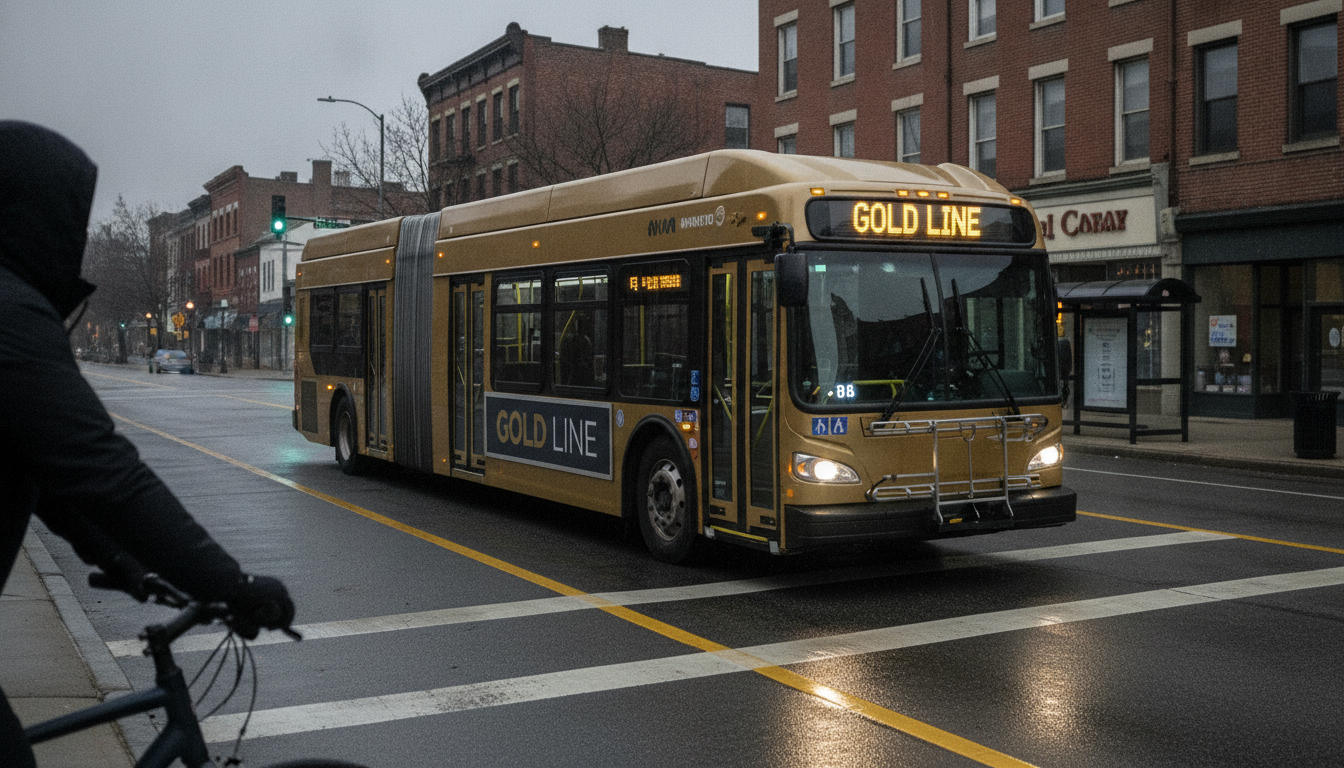
WMATA Unveils "Gold Bus" Vision for Faster, More Reliable Service on H Street and Benning Road NE Corridor
WMATA is planning a new "Gold Bus" service for the H Street and Benning Road NE corridor, aiming to deliver faster and more reliable transit for 20,000 daily riders. The initiative includes dedicated bus lanes, transit signal priority, and new electric buses to cut commute times by 20-30%.
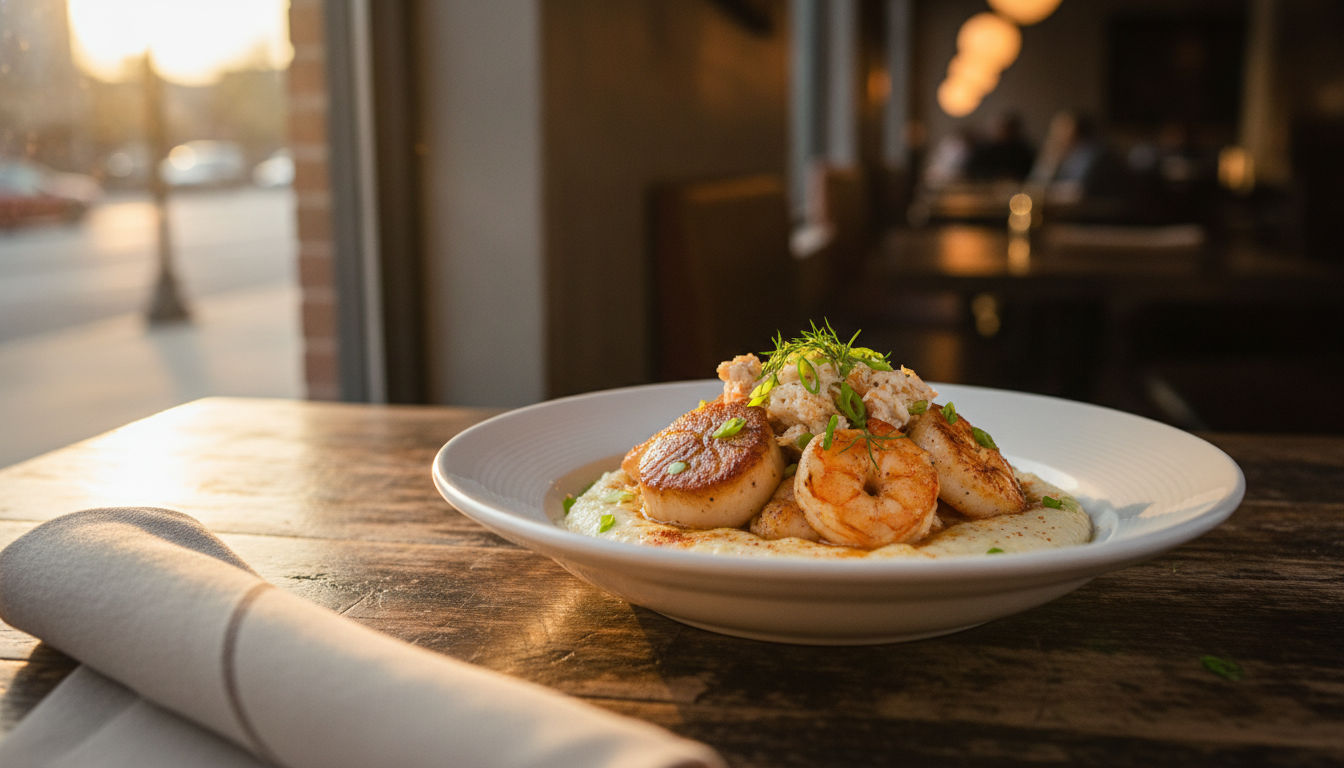
Ebbitt House Brings Fresh Take on Clyde's Comfort to Reston Row Tomorrow
After years of anticipation, Ebbitt House is set to open its doors tomorrow, November 20th, at 1860 Reston Row Plaza. This new restaurant promises a fresh take on the classic comforts of Clyde's, adding a significant new dining option to Reston Station's bustling scene.
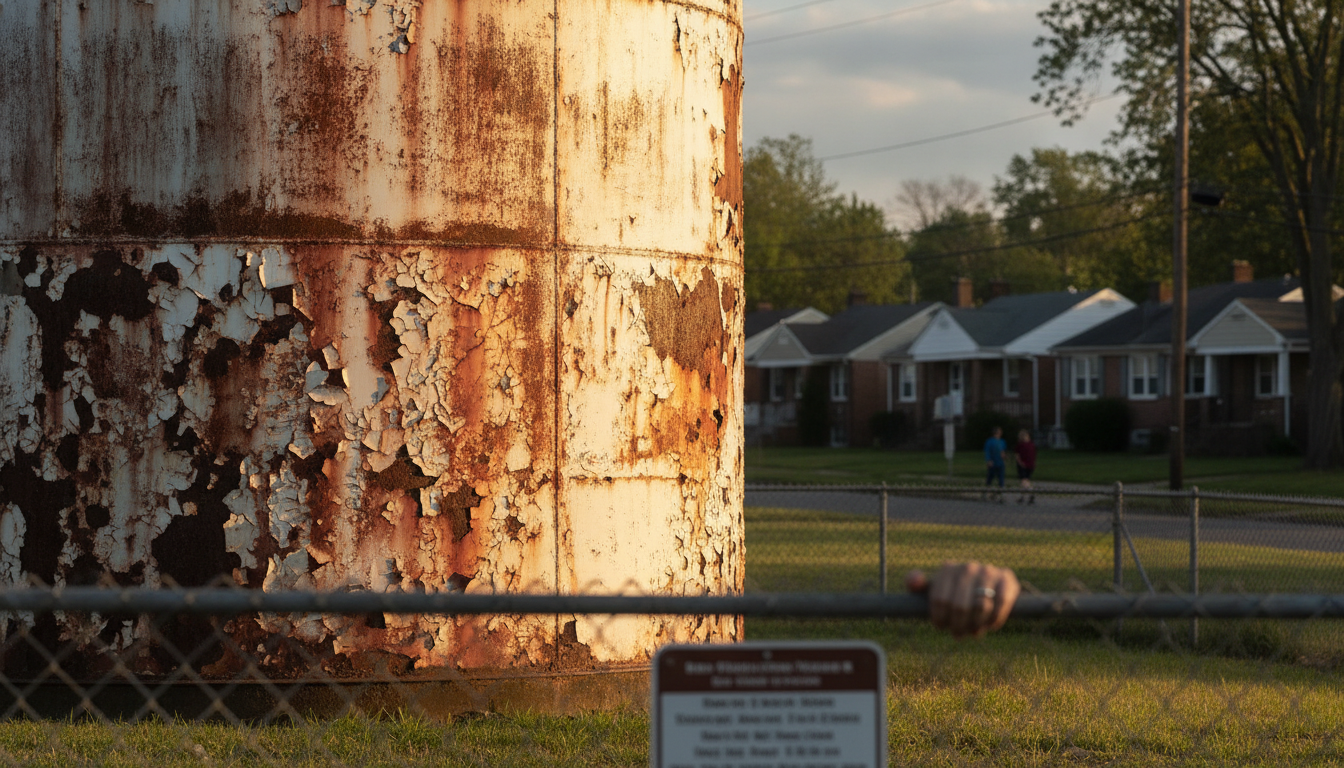
Dominion Hills Water Tower, 75 Years Strong, Slated for Replacement in Arlington
After 75 years of service, the water storage tank near Dominion Hills in Arlington is slated for demolition and replacement, marking a significant infrastructure upgrade for several local communities.