Arlington's Green Future at Risk: Forester Warns Tree Canopy Goal Faces Uphill Battle
Share this article
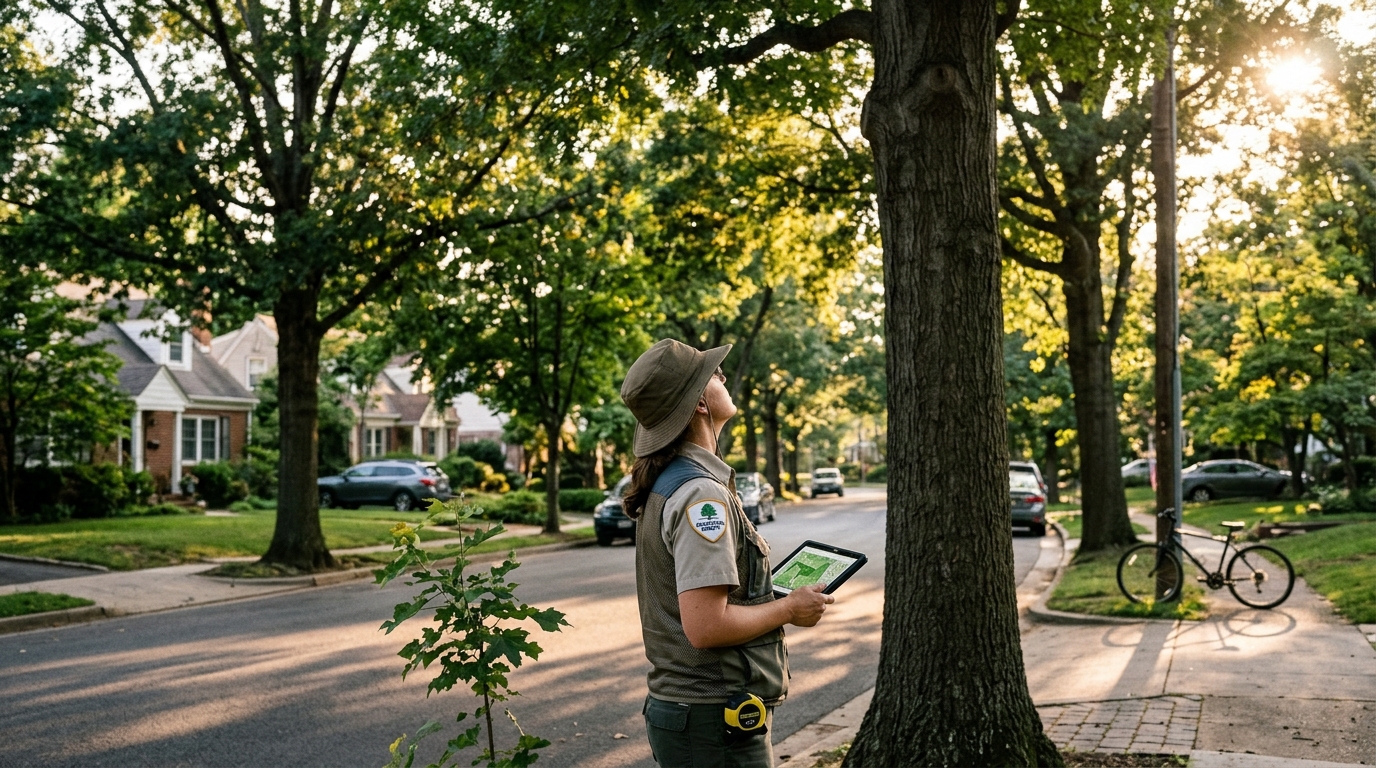
Arlington's Ambitious Green Target
For years, Arlington has been committed to boosting its tree canopy, aiming for a robust 40% coverage across the county. This target isn't pulled out of thin air; it's rooted in the understanding that a healthy tree canopy offers a wealth of environmental and public health benefits. Think cooler streets, cleaner air, and reduced stormwater runoff. The Arlington County Department of Parks and Recreation actively manages these natural resources, but the scale of the challenge is growing.The Competing Factors at Play
What exactly are these "competing factors" that could outpace Arlington's green ambitions? While specific details weren't fully elaborated in the recent warning, common challenges in urban forestry include relentless development pressures, where new construction often means removing mature trees. There's also the natural lifecycle of trees, as older specimens eventually die and need replacement. Beyond that, climate change plays a significant role. Increased frequency and intensity of storms can bring down trees, while longer droughts stress them, making them more susceptible to pests and disease. The urban heat island effect, where paved surfaces and buildings absorb and re-emit heat, can also create harsh conditions for tree survival. These factors combine to create a constant battle for every new sapling planted and every mature tree preserved.Why a Healthy Canopy Matters for Arlington
A robust tree canopy is more than just a nice amenity; it’s a critical piece of infrastructure for any modern city, especially one as densely populated as Arlington. Trees absorb carbon dioxide, filter pollutants from the air, and release oxygen, directly improving air quality. They also play a crucial role in managing stormwater runoff, soaking up rain and reducing the burden on our drainage systems, which helps prevent localized flooding in neighborhoods like Nauck and Lyon Park. Perhaps most importantly, trees are natural air conditioners. Their shade can lower surface temperatures by 20–45°F and ambient temperatures by 2–9°F, according to the U.S. Environmental Protection Agency. This cooling effect is vital for public health, especially during the sweltering DMV summers, protecting vulnerable populations from heat-related illnesses. Losing canopy means hotter sidewalks, hotter homes, and higher energy bills for residents trying to stay cool.Looking Ahead: What Can Be Done?
The forester's warning serves as a stark reminder that achieving environmental goals requires sustained effort and proactive strategies. Arlington County has various programs aimed at planting and maintaining trees, including neighborhood tree planting initiatives and educational outreach. Residents can often request street trees or participate in volunteer planting events. However, the "competing factors" suggest that these efforts might need to be intensified, or new approaches considered, to truly meet the 40% canopy goal. This could involve stronger tree preservation ordinances, innovative urban planning that integrates green infrastructure from the outset, and increased public engagement to protect existing trees. The challenge isn't just about planting new trees, but ensuring the long-term health and survival of all trees within the county's borders. Data on urban tree cover and its benefits is increasingly informing urban planning across the nation. For Arlington residents, this means paying closer attention to local development proposals, understanding county tree policies, and advocating for robust green infrastructure in their communities. What happens with our tree canopy will directly impact the comfort, health, and environmental quality of life here in Arlington for decades to come.📍 Local Resources
Information on Arlington's tree programs, tree planting requests, and tree preservation guidelines.
Volunteer organization dedicated to planting and caring for trees in local communities, offering educational programs.
Explore more on this topic
Related Stories
Maryland Families Face Steep Costs: Unpacking the Financial Reality of Raising a Toddler
Raising a toddler in Maryland is proving to be an increasingly expensive endeavor, with childcare costs often rivaling housing expenses. A recent report highlighted the significant financial burden on families, who are grappling with everything from rising grocery bills to essential healthcare and enrichment activities in the DMV's high-cost-of-living environment.
Joint Base Andrews Bolsters Fleet with Unit of 26 New Helicopters
Maryland High School Grapples with Fallout from Player Eligibility Scandal
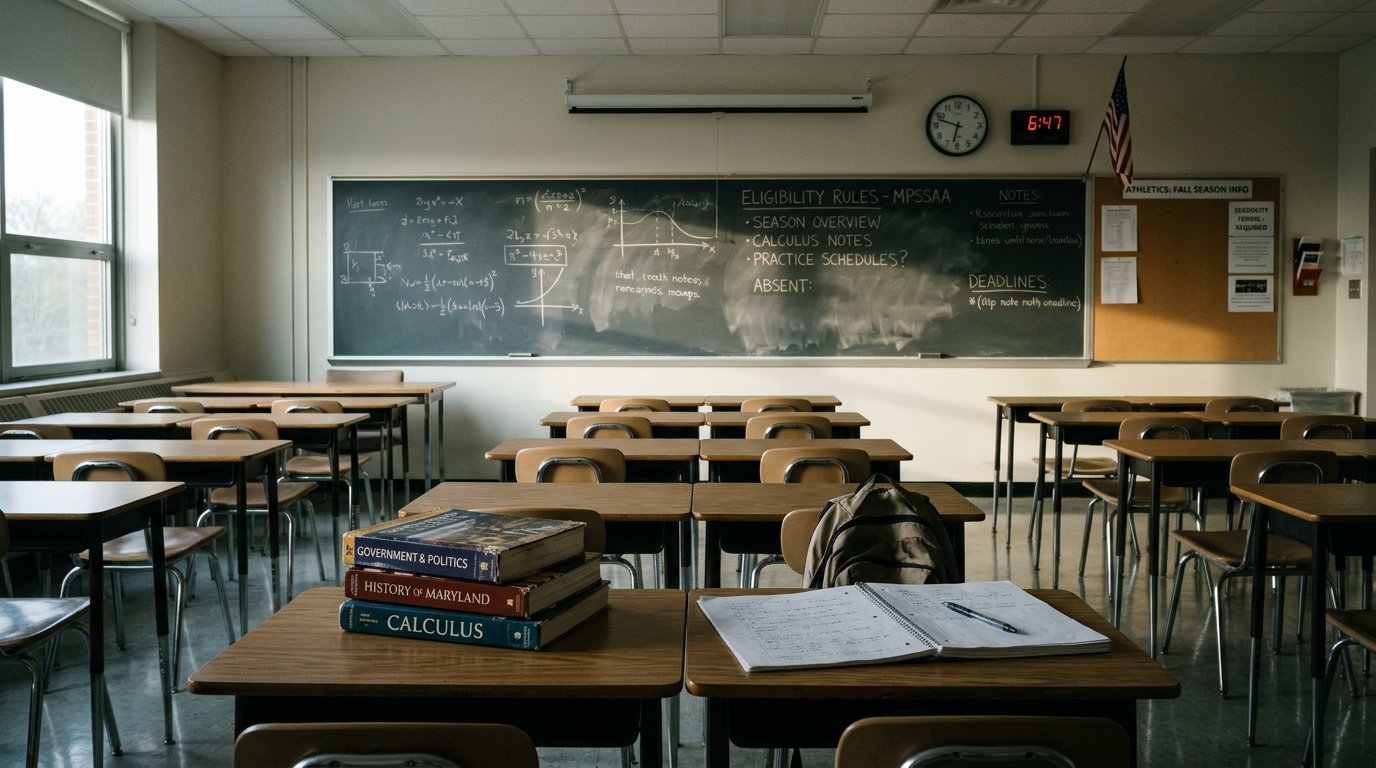
A Maryland high school is facing significant consequences due to player eligibility issues, impacting its athletic program and community. This incident highlights the critical importance of adherence to MPSSAA rules and the potential for widespread fallout, including forfeited games and reputational damage, across the DMV's high school sports landscape.