Arlington County Board Greenlights Controversial Residential Density Initiative
Share this article
A Community Divided Over Arlington's Future
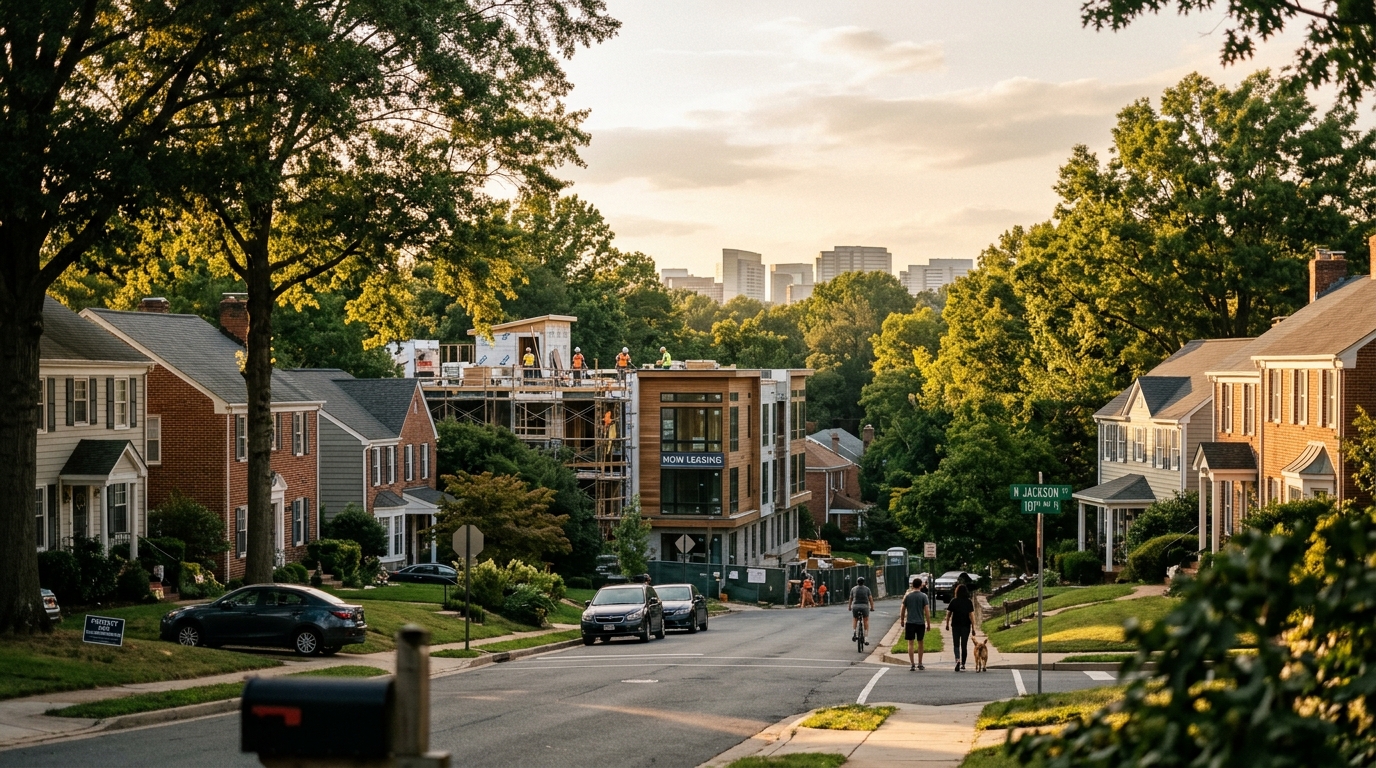
The journey to this vote has been anything but smooth. Since its initial proposal, the Residential Density Initiative has ignited passionate discussions across Arlington, from Lyon Village to Fairlington. Community meetings have often run for hours, with residents lining up to share their perspectives. On one side, housing advocates and younger residents have stressed the urgent need for more affordable options, pointing to soaring rents and home prices that push many out of the county they call home. They argue that expanding housing types is crucial for economic diversity and environmental sustainability, reducing long commutes and fostering a more vibrant, walkable community. Conversely, many long-time homeowners have voiced deep concerns. They fear that increased density will overwhelm existing infrastructure—schools, roads, parks—and fundamentally alter the quiet, tree-lined streets that define many Arlington neighborhoods. Questions about parking, traffic congestion, and the potential for rapid redevelopment displacing existing communities have been central to their arguments. These residents have organized, circulated petitions, and consistently shown up to board meetings, making their voices heard every step of the way.Understanding the Initiative's Core Changes
At its heart, the Residential Density Initiative seeks to modernize Arlington's zoning ordinances, many of which date back decades. The primary change involves amending the county's General Land Use Plan and Zoning Ordinance to permit multi-family dwellings in zones that were previously exclusively single-family. This isn't a blanket change across the entire county, but rather a targeted approach to allow for greater flexibility in certain residential areas. The board's decision follows extensive studies and public feedback sessions, attempting to strike a balance between competing interests. Details of the newly approved plan include specific guidelines on lot coverage, building height, and design standards, all intended to mitigate the visual and practical impacts of increased density. The goal, according to county planners, is to encourage "gentle density" rather than large-scale, abrupt changes. However, critics remain skeptical about the effectiveness of these safeguards in practice.What This Means for Arlington Residents
For Arlington residents, this vote represents a significant turning point. If you own a home in a formerly single-family zoned area, you might soon see new types of housing being built nearby, or even have new options for developing your own property. For those struggling to find affordable housing, this initiative could eventually lead to more choices and potentially more accessible price points within the county. However, these changes won't happen overnight. It'll take time for developers to respond to the new regulations and for new housing units to come online. The county's Department of Community Planning, Housing and Development will now begin the detailed work of implementing these changes, which includes updating development review processes and educating the public and developers on the new rules. Residents can expect ongoing discussions and potentially new guidelines as the county navigates this new era of housing policy. The impact on traffic patterns, school enrollment, and local services will be closely watched over the coming years.Looking Ahead: Implementation and Ongoing Dialogue
With the board's vote now in the books, attention turns to the practical implementation of the Residential Density Initiative. County staff will be tasked with developing more granular regulations and design guidelines to ensure the new housing types integrate seamlessly into existing neighborhoods. This will involve working closely with community groups and planning commissions to address any unforeseen challenges that arise as the plan moves from policy to reality. The debate, however, isn't likely to disappear entirely. As new projects are proposed under the updated zoning, residents will undoubtedly continue to engage with the county board and planning department, scrutinizing every application. The success of this initiative will ultimately be measured not just by the number of new housing units created, but by how well Arlington manages to maintain its unique character and quality of life for all its residents through this period of significant change. What happens next will be a critical test of Arlington's ability to adapt and grow while preserving what makes it such a desirable place to live.Explore more on this topic
Related Stories

DC's Mayoral Race Heats Up: Democratic Socialist Poised to Lead After 12 Years
Washington, D.C. is on the cusp of a major political transition as a democratic socialist candidate emerges as the heavy favorite in the upcoming mayoral election. This marks the first time in 12 years the city will elect new leadership, signaling potential shifts in policy and governance for the nation's capital.

Maryland Voters Shatter Early Voting Record, Signaling Heightened Engagement
Maryland recently shattered its early voting record on the final day of the early voting period, signaling a robust and engaged electorate across the DMV. This unprecedented surge in participation highlights the growing importance of accessible voting options and could reshape future elections in the state.

Howard County Executive Calvin Ball to Step Down, Lead Baltimore City Community College
Howard County Executive Calvin Ball is set to leave his role to become the president of Baltimore City Community College. This move marks a significant shift for both Howard County's leadership and the future of higher education in Baltimore.