Community
Alexandria
Alexandria's 1925 Skyline: A Count of 2,016 Poles Marked a Connected City
Share this article
Advertisement
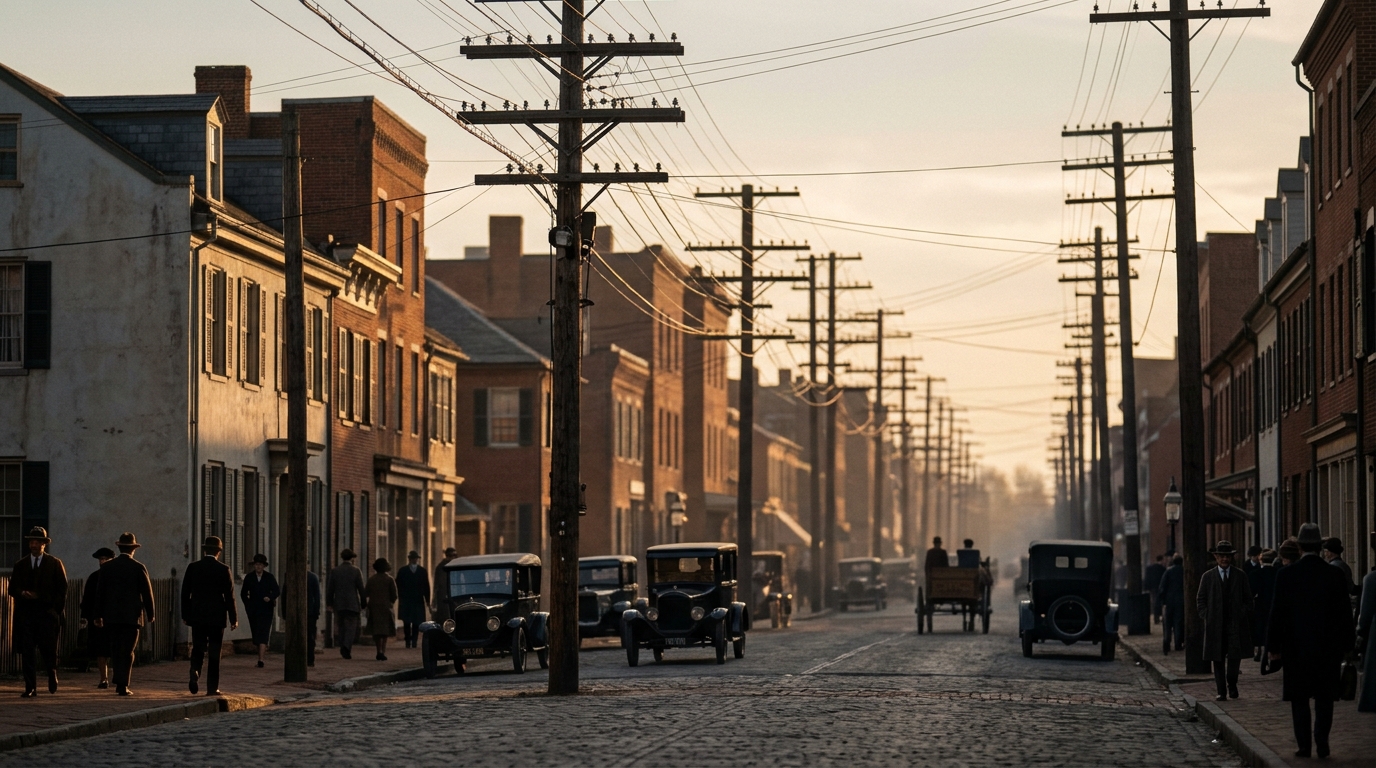
Imagine Alexandria nearly a century ago, a bustling city still finding its modern stride. Horse-drawn carriages shared cobblestone streets with early automobiles, and the air hummed not just with conversation, but with the faint crackle of electricity. In this rapidly changing landscape, a local survey conducted on November 5, 1925, painted a clear picture of Alexandria's commitment to connectivity: the city was home to 2,016 telephone and telegraph poles according to local historical notes. This isn't just a random statistic; it's a snapshot of a city embracing the future. Those tall wooden poles, crisscrossing streets and alleyways, were the physical manifestation of a communication revolution that was transforming how Alexandrians lived, worked, and interacted with the wider world. They were the backbone of a network that brought distant voices closer and expedited information exchange, fundamentally altering the pace of urban life.
The Dawn of a Connected Era in Alexandria
The 1920s were a period of immense growth and technological advancement across the United States, and Alexandria was no exception. As the nation emerged from the shadow of World War I, cities like Alexandria saw increased urbanization, economic expansion, and a growing demand for modern conveniences. The telephone, once a luxury, was quickly becoming a necessity, connecting homes and businesses with unprecedented speed. The telegraph, while older, still played a crucial role in long-distance communication, especially for commerce and news. The presence of over two thousand poles indicates a significant investment in this burgeoning infrastructure. Each pole represented a segment of a vast, intricate web designed to serve the city's residents and businesses, from the busy waterfront docks to the residential streets branching off King Street. This wasn't just about convenience; it was about efficiency. Businesses could conduct transactions faster, families could stay in touch more easily, and emergency services could be dispatched with greater urgency.On November 5, 1925, a local survey indicated that the City of Alexandria had 2,016 telephone and telegraph poles.
Beyond the Wires: What Poles Symbolized
Those 2,016 poles weren't merely utilitarian structures; they were symbols of progress. For residents, they represented access to a world beyond their immediate neighborhood. For businesses, they meant competitive advantage and expanded reach. For the city itself, they demonstrated a forward-thinking approach to urban development, positioning Alexandria as a modern hub in the greater Washington, D.C. area. Consider the visual landscape of Alexandria in 1925. These poles would have been a ubiquitous feature, standing shoulder-to-shoulder with gas lamps and, increasingly, electric streetlights. They were part of a complex system that powered the city's growth, alongside water mains, sewer lines, and burgeoning road networks. The sheer number suggests a comprehensive rollout, reaching into many corners of the city, not just the commercial core. Historical records from the period often highlight how such infrastructure projects were seen as vital for a city's prosperity and livability, attracting new residents and businesses alike (City of Alexandria History).The Evolution of Communication Infrastructure
The 1925 count marked a particular point in the continuous evolution of telecommunications. While the wooden poles were state-of-the-art for their time, they were far from the final word in connectivity. Over the subsequent decades, technology advanced rapidly. Overhead wires eventually gave way to underground cables, improving aesthetics and reliability, particularly in the historic districts. The telegraph faded into obsolescence with the rise of the telephone, which itself would later be supplanted by internet and cellular technologies. Today, while some utility poles still carry power lines, the vast majority of our communication infrastructure is either buried beneath our feet or transmitted wirelessly through the air. Fiber optic cables, capable of carrying immense amounts of data at light speed, now form the backbone of Alexandria's digital network, a far cry from the copper wires strung between those 2,016 poles. This historical tidbit serves as a reminder of how quickly technology can transform our urban environment and daily lives.A Legacy of Connectivity for Alexandrians
For current Alexandria residents, this historical note underscores a long-standing commitment to staying connected. The 1925 survey illustrates how, even then, the city was actively investing in the infrastructure necessary to facilitate communication and progress. This foundational work laid the groundwork for the digitally integrated city we know today. Understanding these early steps helps us appreciate the continuous effort required to maintain and upgrade the vital networks that support our daily lives, from remote work to streaming entertainment and smart city initiatives. This historical marker in Alexandria's journey reminds us that the quest for faster, more efficient communication is a constant. What started with 2,016 wooden poles has evolved into a sprawling, invisible network that continues to shape our community. As Alexandria moves forward, its history of embracing technological advancement suggests a future that will remain at the forefront of connectivity, adapting and innovating to meet the demands of tomorrow. The next time you walk through Old Town, take a moment to consider the visible and invisible infrastructure that has connected Alexandrians for generations, from those early poles to today's fiber optics.Advertisement
Explore more on this topic
Related Stories
Community
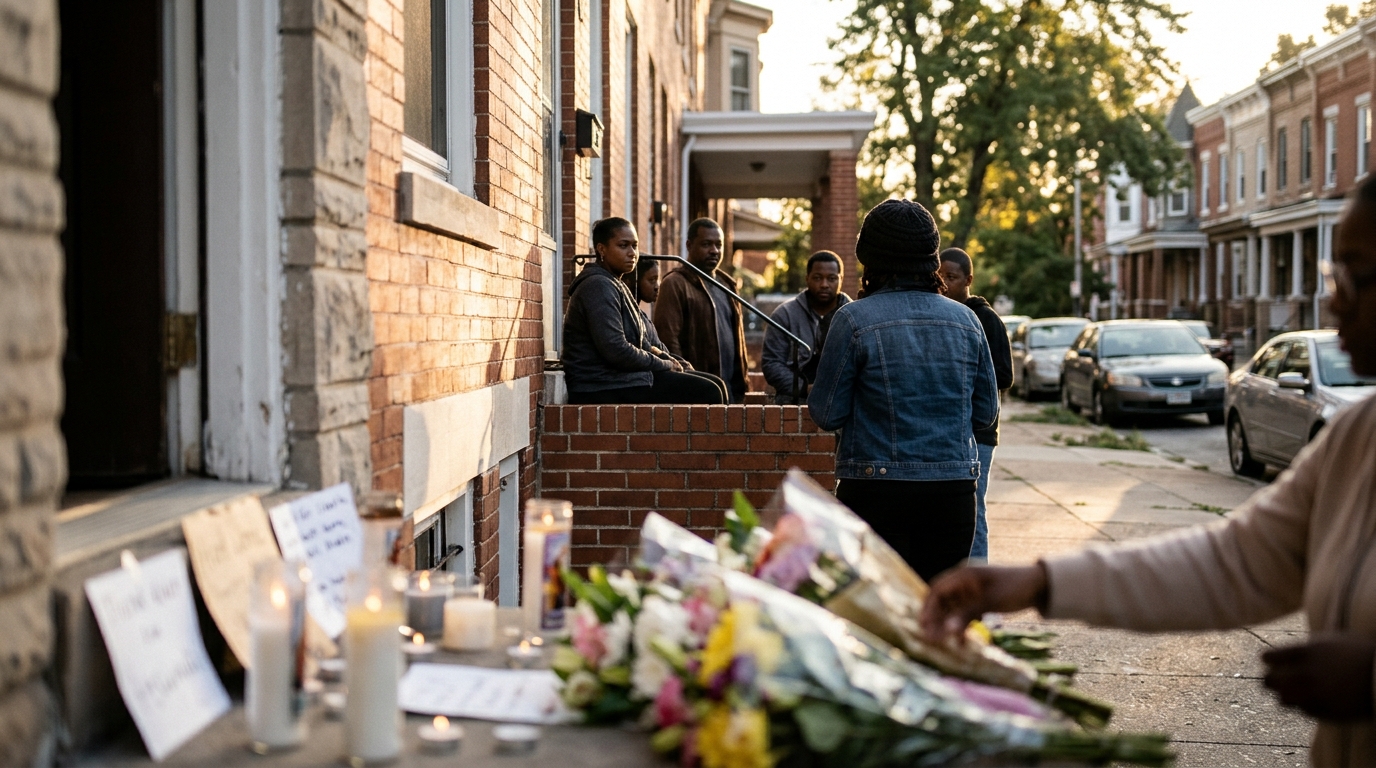
Baltimore Mourns Jescina Artis, Counselor Who Turned Personal Struggle Into Lifesaving Work
Community
Baltimore addiction counselor Jescina Artis, who used her own struggles to help countless others find sobriety, has
about 1 hour ago4 min read
Community
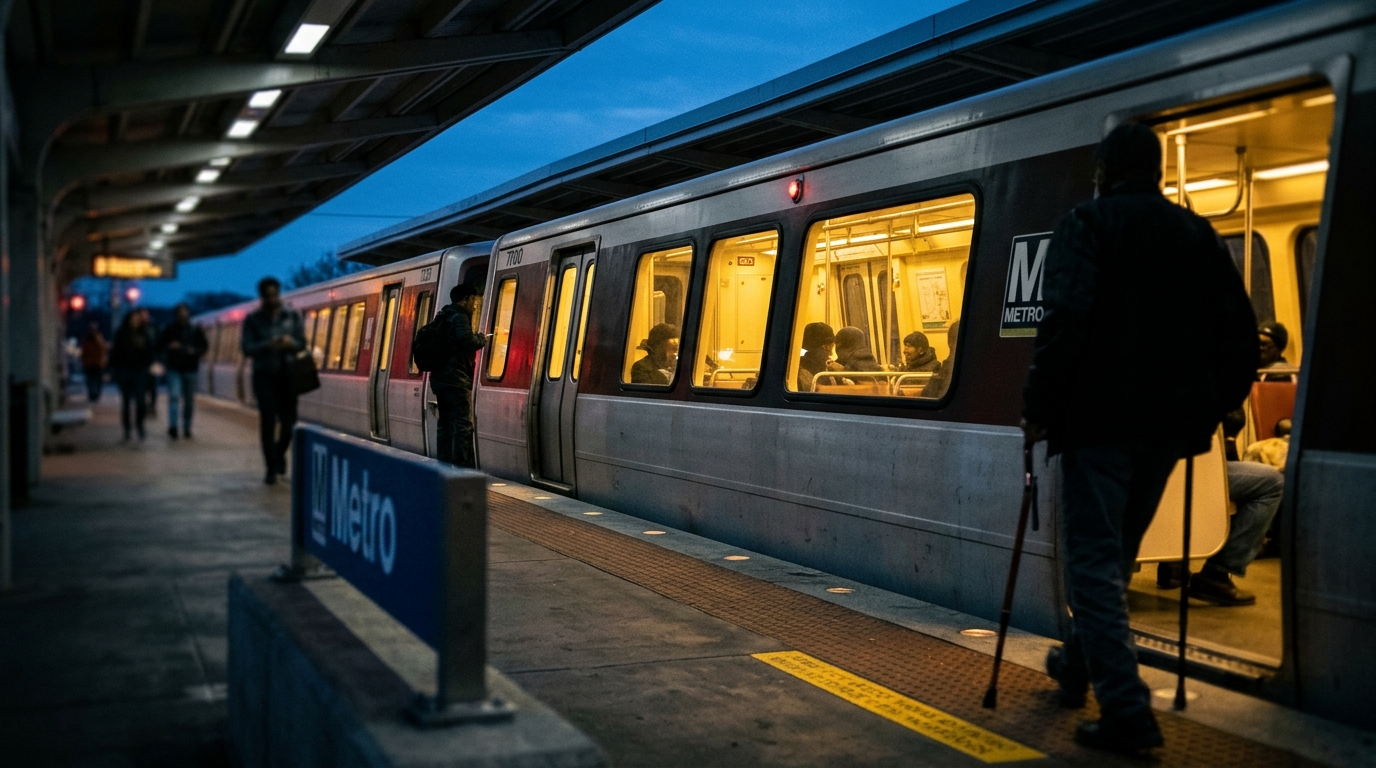
New Documents Reveal Plummeting MetroAccess Customer Satisfaction Across the DMV
Howard County·Community
about 12 hours ago5 min read
Community
Harvest Bounty and Community Spirit Thrive at Bethesda's Fall Farmer's Market
Montgomery County·Community
Bethesda's Fall Farmer's Market is a vibrant community hub, offering fresh seasonal produce, local goods, and a chance for residents to connect directly with growers and artisans. Discover what makes this local tradition a cherished part of autumn in Montgomery County.
about 12 hours ago5 min read