Attorney General Brown Sues DC Water Over Potomac Interceptor Collapse, Citing Infrastructure Concerns
Share this article
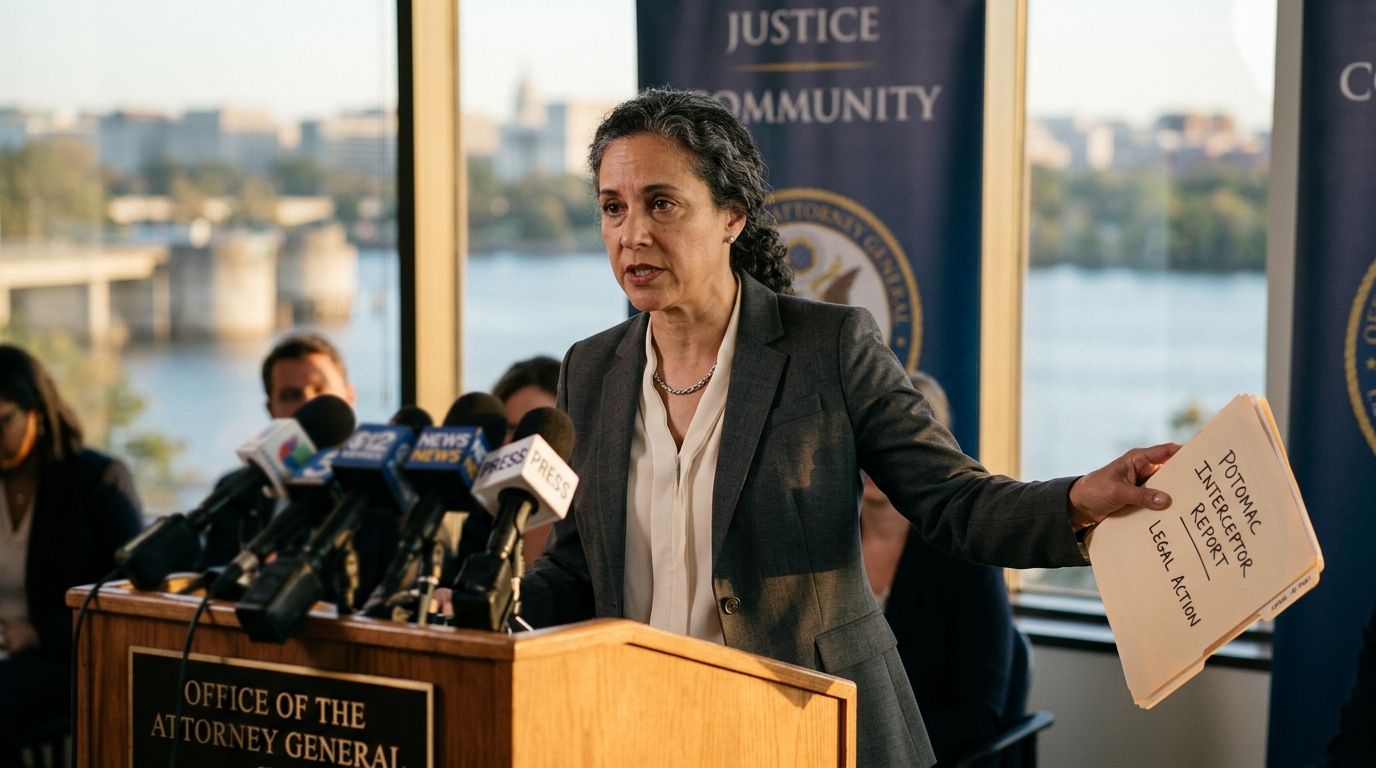
Washington, D.C. Attorney General Brian L. Brown has initiated legal action against DC Water following the collapse of a section of the Potomac Interceptor, a critical wastewater management infrastructure serving the greater metropolitan area. The lawsuit underscores ongoing concerns regarding the maintenance and integrity of vital public utilities within the District and its surrounding regions [1].
The Potomac Interceptor is a major wastewater collection system that transports effluent from parts of Virginia and Maryland through the District to the Blue Plains Advanced Wastewater Treatment Plant. Its proper functioning is essential for public health and environmental protection across the DMV. A collapse in such a system can lead to significant environmental damage, including potential spills into the Potomac River, and can disrupt wastewater services for thousands of residents.
Understanding the Potomac Interceptor's Role
The Potomac Interceptor is not merely a pipe; it is a fundamental component of the region's public health infrastructure. Operated by DC Water, it collects wastewater from a vast service area, including portions of Fairfax and Loudoun Counties in Virginia, and Montgomery County in Maryland, before it reaches the treatment facility at Blue Plains in Southwest D.C. Any disruption to this system poses a direct threat to the health of the Potomac River watershed and the communities it serves.
The Attorney General's lawsuit, as reported, signals a serious official concern about the incident. While specific details of the collapse and the allegations within the lawsuit are not immediately available, such legal actions typically seek to hold responsible parties accountable for damages, ensure remediation efforts, and prevent future occurrences. This could involve financial penalties, mandates for infrastructure upgrades, or compensation for environmental harms.
Implications for DC Water and Regional Infrastructure
DC Water, formally known as the District of Columbia Water and Sewer Authority, is responsible for providing drinking water and wastewater treatment services to over 600,000 residents and 17 million annual visitors in the District. It also treats wastewater for an additional 1.6 million people in neighboring Maryland and Virginia jurisdictions. A lawsuit from the Attorney General’s office represents a significant challenge to the utility and could have far-reaching financial and operational consequences.
The legal action may prompt a deeper examination of DC Water's maintenance protocols, infrastructure aging, and emergency response capabilities. Public utilities across the nation face challenges with aging infrastructure, and the DMV is no exception. Ensuring the integrity of systems like the Potomac Interceptor requires continuous investment and diligent oversight. Residents rely on these systems daily, making their reliability paramount
Explore more on this topic
Related Stories

Fairfax County Public Schools' Federal Funding Lawsuit Revived by Appeals Court
An appeals court has revived Fairfax County Public Schools' lawsuit against the U.S. Department of Education, challenging the withholding of federal funds over the district's policies supporting transgender students. This decision sends the case back to a lower court, marking a critical step for FCPS in its fight to restore millions in federal aid.
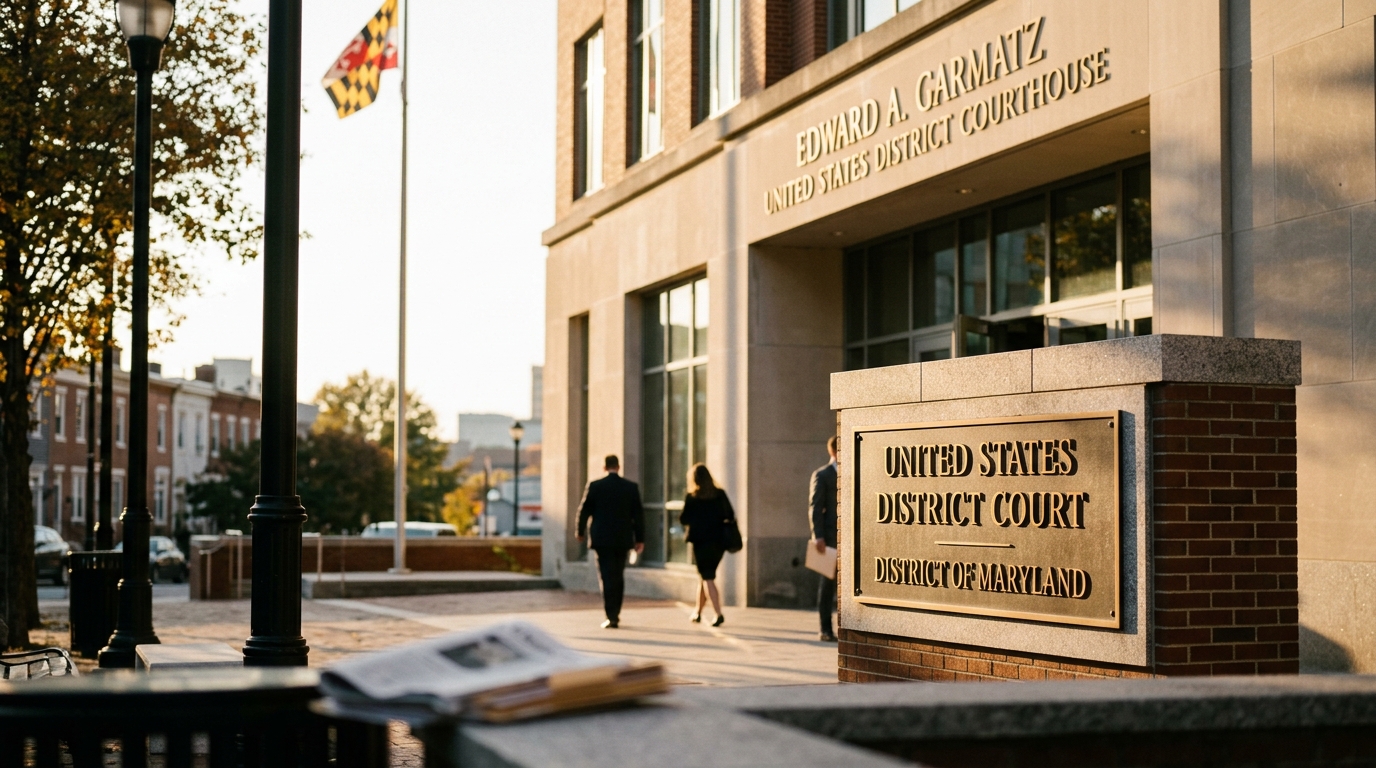
Federal Judge Rejects Maryland Attorney General's Bid for ICE Records on Baltimore Facility
A federal judge has rejected the Maryland Attorney General's bid to obtain records from an ICE detention facility in Baltimore, marking a setback for state-level transparency efforts into federal immigration operations within Maryland.
D.C. Council Member Trayon White Seeks Acquittal in Federal Bribery Case After Mistrial
A federal judge will decide whether to acquit D.C. Council member Trayon White in his bribery case after a mistrial, or allow prosecutors to pursue a retrial. The Ward 8 representative's legal team argues for dismissal, while prosecutors point to recorded evidence.