4th Circuit Grants "Grace" to Self-Represented Litigants, Reviving Montgomery County Police Lawsuit
Share this article

A Second Chance for Montgomery County Plaintiffs
The ruling specifically addressed a situation where a self-represented plaintiff in an alleged Montgomery County police brutality case had incorrectly filled out the top of their complaint forms [1]. Such an oversight, while seemingly minor, could previously lead to a case being dismissed, effectively shutting down a litigant's pursuit of justice before it even truly began. This new stance by the 4th Circuit means that these technical glitches shouldn't be a death knell for a legitimate claim.Why "Pro Se" Litigants Need This Support
"Pro se" is the legal term for self-represented litigants, and their numbers are significant. Whether it's a family law matter, a landlord-tenant dispute, or, as in this case, a civil rights complaint, many people simply cannot afford a lawyer. According to the Maryland Judiciary, navigating the court system can be daunting, and resources for self-help are often stretched thin. This ruling acknowledges the inherent disadvantage pro se litigants face and aims to level the playing field, at least slightly. The 4th Circuit's decision means that judges, particularly at the district court level, will need to adopt a more accommodating approach. Instead of outright dismissing cases for form errors, they'll likely be expected to provide opportunities for self-represented individuals to correct their filings. This shift could have far-reaching implications for civil cases throughout the DMV, fostering a more equitable legal environment.What This Means for Montgomery County Residents
For Montgomery County residents, especially those who find themselves in a position to pursue legal action without an attorney, this ruling is an important development. It reinforces the idea that the courts are there to serve justice, not just those with deep pockets or legal degrees. It's a reminder that persistence, even in the face of bureaucratic hurdles, can pay off. This expanded "grace" from the 4th Circuit Court of Appeals could encourage more individuals to pursue legitimate claims, knowing that a minor procedural misstep won't automatically close the courthouse doors on them. It also puts a greater onus on the courts to provide clearer guidance and support for self-represented litigants, ensuring that the spirit of the ruling is upheld in practice.📍 Local Resources
Connects low-income residents with volunteer attorneys for civil legal aid.
Provides free civil legal services to eligible low-income individuals and families.
Offers free legal information, forms, and resources for self-represented litigants across Maryland.
Explore more on this topic
Related Stories

Fairfax County Public Schools' Federal Funding Lawsuit Revived by Appeals Court
An appeals court has revived Fairfax County Public Schools' lawsuit against the U.S. Department of Education, challenging the withholding of federal funds over the district's policies supporting transgender students. This decision sends the case back to a lower court, marking a critical step for FCPS in its fight to restore millions in federal aid.
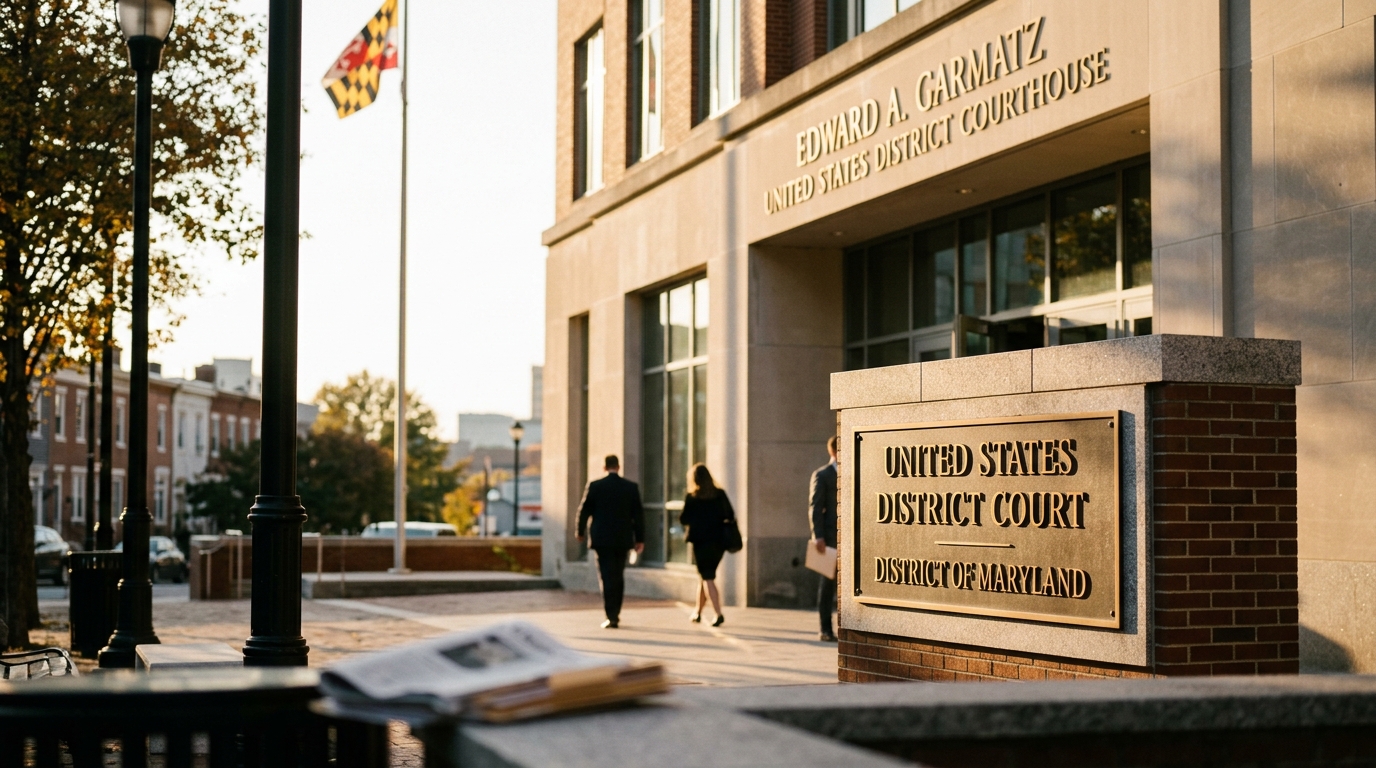
Federal Judge Rejects Maryland Attorney General's Bid for ICE Records on Baltimore Facility
A federal judge has rejected the Maryland Attorney General's bid to obtain records from an ICE detention facility in Baltimore, marking a setback for state-level transparency efforts into federal immigration operations within Maryland.
D.C. Council Member Trayon White Seeks Acquittal in Federal Bribery Case After Mistrial
A federal judge will decide whether to acquit D.C. Council member Trayon White in his bribery case after a mistrial, or allow prosecutors to pursue a retrial. The Ward 8 representative's legal team argues for dismissal, while prosecutors point to recorded evidence.