Gazing Up: How to Best Observe the 2026 Lyrids Meteor Shower Across the DMV
Share this article
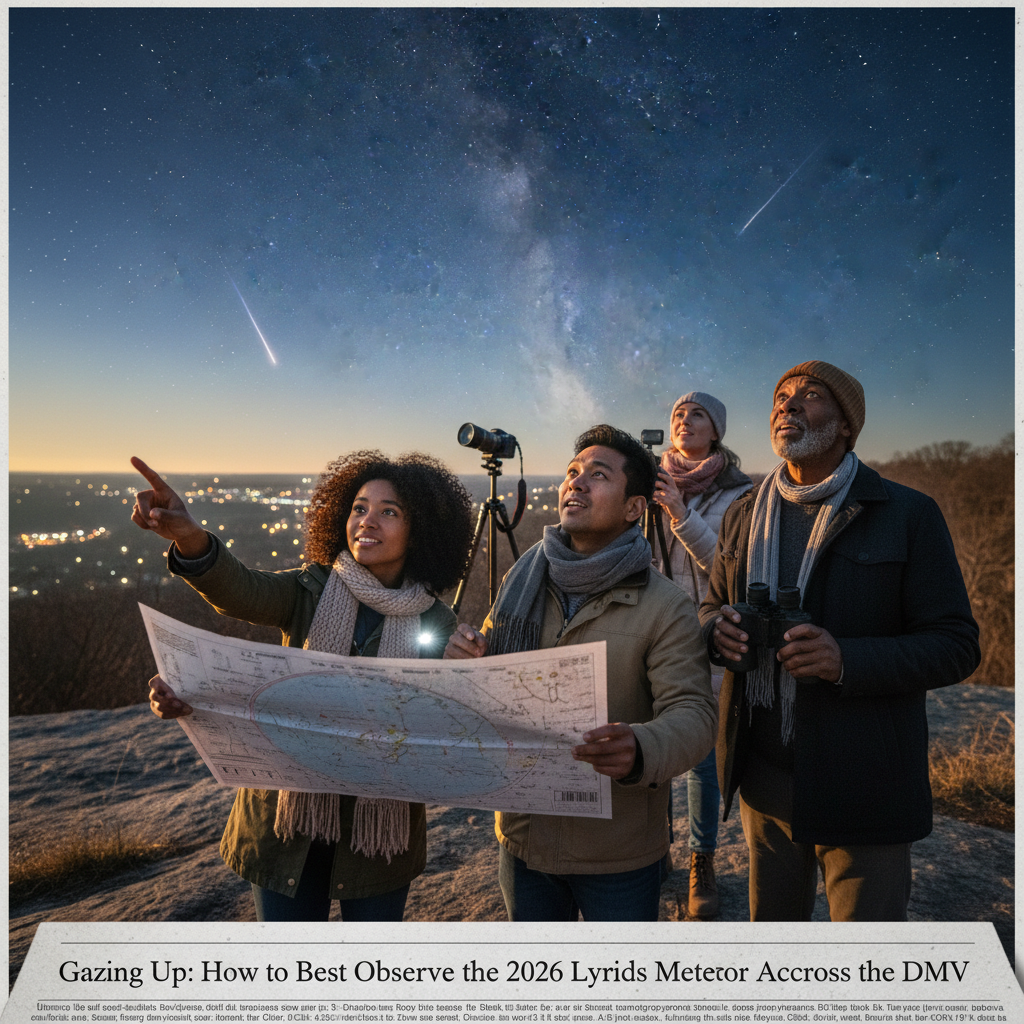
When and What to Expect
The Lyrids are set to reach their peak intensity between the night of April 21 and the early morning hours of April 22, 2026 [1]. During this window, skygazers in the right locations could witness an average of 15 to 20 meteors per hour [1]. While not as prolific as some other showers, the Lyrids are known for their fast, bright meteors, sometimes even producing fireballs. The moon phase will play a significant role in visibility; a new or crescent moon would offer darker skies, enhancing the spectacle.Finding Your Dark Sky Spot in the DMV
The urban sprawl of the DMV, with its vibrant lights, presents a challenge for stargazers. Light pollution can significantly diminish the visibility of fainter meteors. However, dedicated observers can find pockets of darker skies within a reasonable drive from Washington, D.C., and its surrounding suburbs. Areas further away from city centers offer the best chance for an unobstructed view. In Maryland, locations such as Sugarloaf Mountain (though privately owned, its surrounding areas offer views) or parts of Frederick County can provide clearer vistas. For Virginia residents, Sky Meadows State Park near Paris, Virginia, is a designated Dark Sky Park and a popular destination for astronomical events, offering expansive, unlit fields perfect for spreading out a blanket. Even closer, some of the less-lit areas of Prince William Forest Park could offer a slightly improved experience compared to city parks. For those unable to venture far, even a local park that allows overnight access or a backyard with minimal streetlamp interference can offer glimpses. Turn off all personal lights, including phone screens, and face away from major light sources like shopping centers or highways.Tips for an Optimal Viewing Experience
To truly immerse yourself in the Lyrids, preparation makes all the difference. Dress warmly, even on a mild April night, as temperatures can drop, and you'll be stationary for extended periods. Bring a comfortable chair or a blanket to lie down on, allowing you to gaze upwards without straining your neck. Binoculars are not typically recommended for meteor showers, as their narrow field of view makes it difficult to catch the fleeting streaks; the naked eye is best for scanning the wide expanse of the sky. Consider checking the International Dark-Sky Association's light pollution maps to identify the darkest areas accessible to you. These maps can be invaluable tools for planning a successful stargazing trip. Remember to share your experiences and any photos you might capture (long-exposure photography can yield stunning results) with local astronomy groups or on social media, using relevant hashtags to connect with fellow enthusiasts. While the 2026 Lyrids may not promise a meteor storm, their consistent appearance offers a tranquil opportunity to pause, look up, and appreciate the timeless dance of the universe above our bustling DMV communities.📍 Local Resources for Stargazing
A designated International Dark Sky Park, offering excellent viewing conditions away from major light pollution.
While within city limits, the Nature Center offers educational astronomy programs and tips for urban stargazing. Best for learning, not peak viewing.
Information on various state parks that may offer less light-polluted viewing areas; some parks host astronomy events.
Explore more on this topic
Related Stories
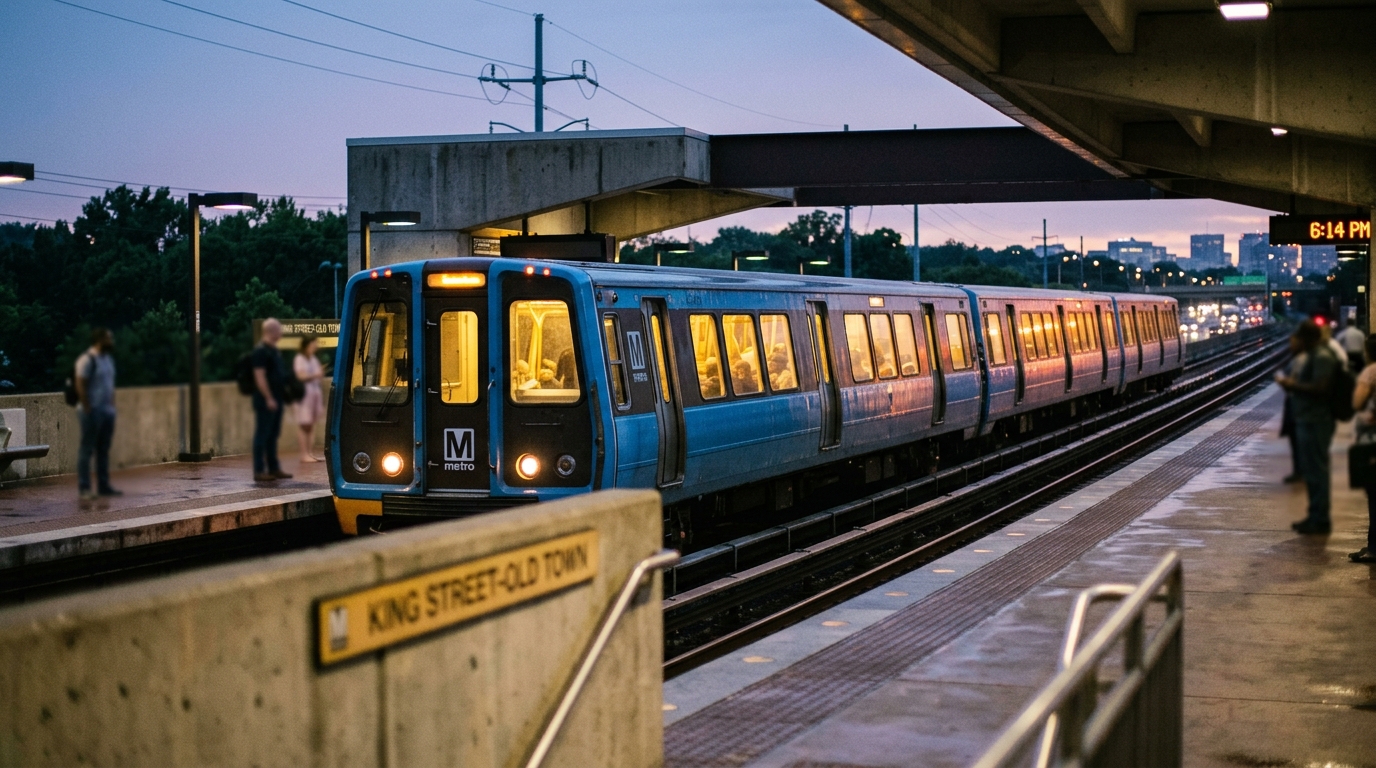
Multiday Amtrak and VRE Service Pause Between DC and Virginia Set for Friday
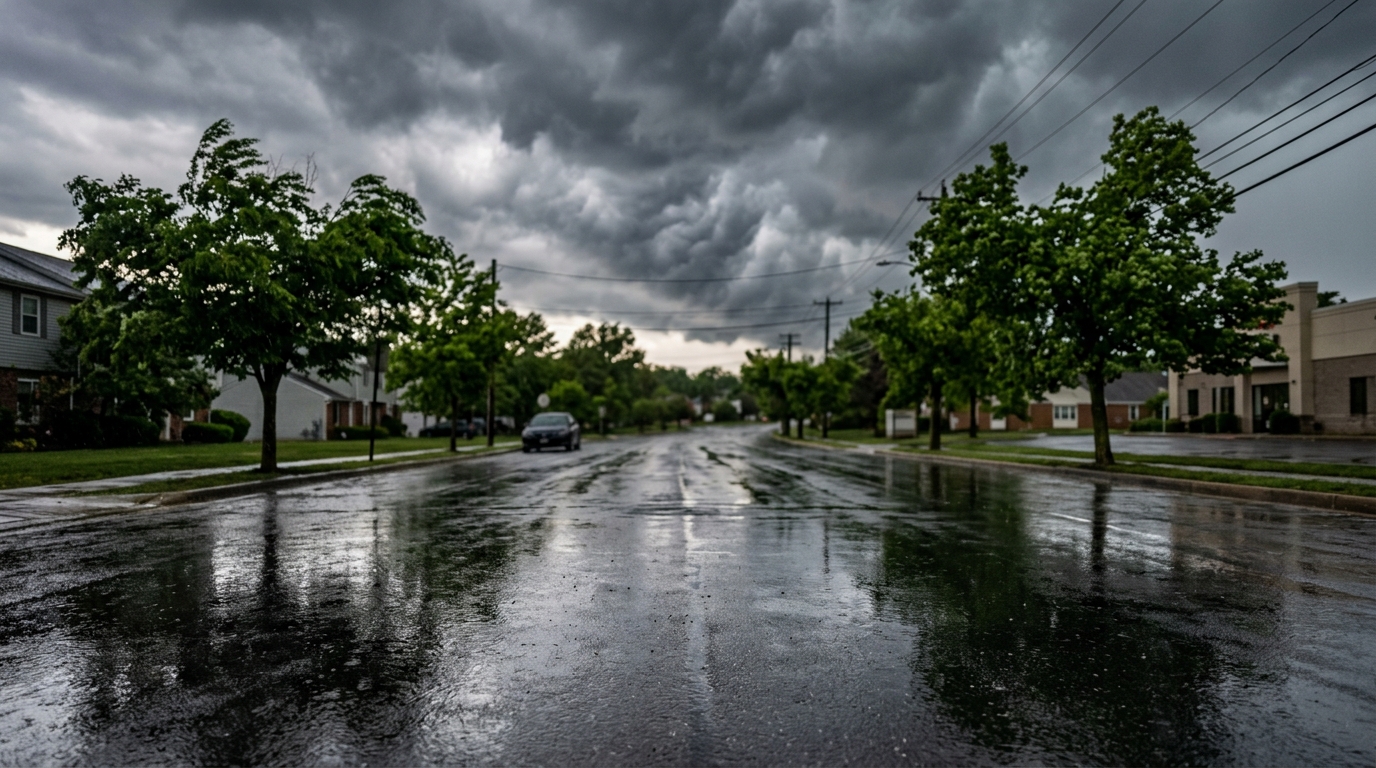
Maryland Braces for Wild Weather Swings: From 85 Degrees to Tornado Threats and a Cold Snap
Maryland is gearing up for a weather rollercoaster this weekend, with temperatures potentially hitting 85 degrees before threats of damaging winds, possible tornadoes, and a sharp cold front sweep through the region. DMV residents in Maryland should prepare for rapid shifts and severe weather.
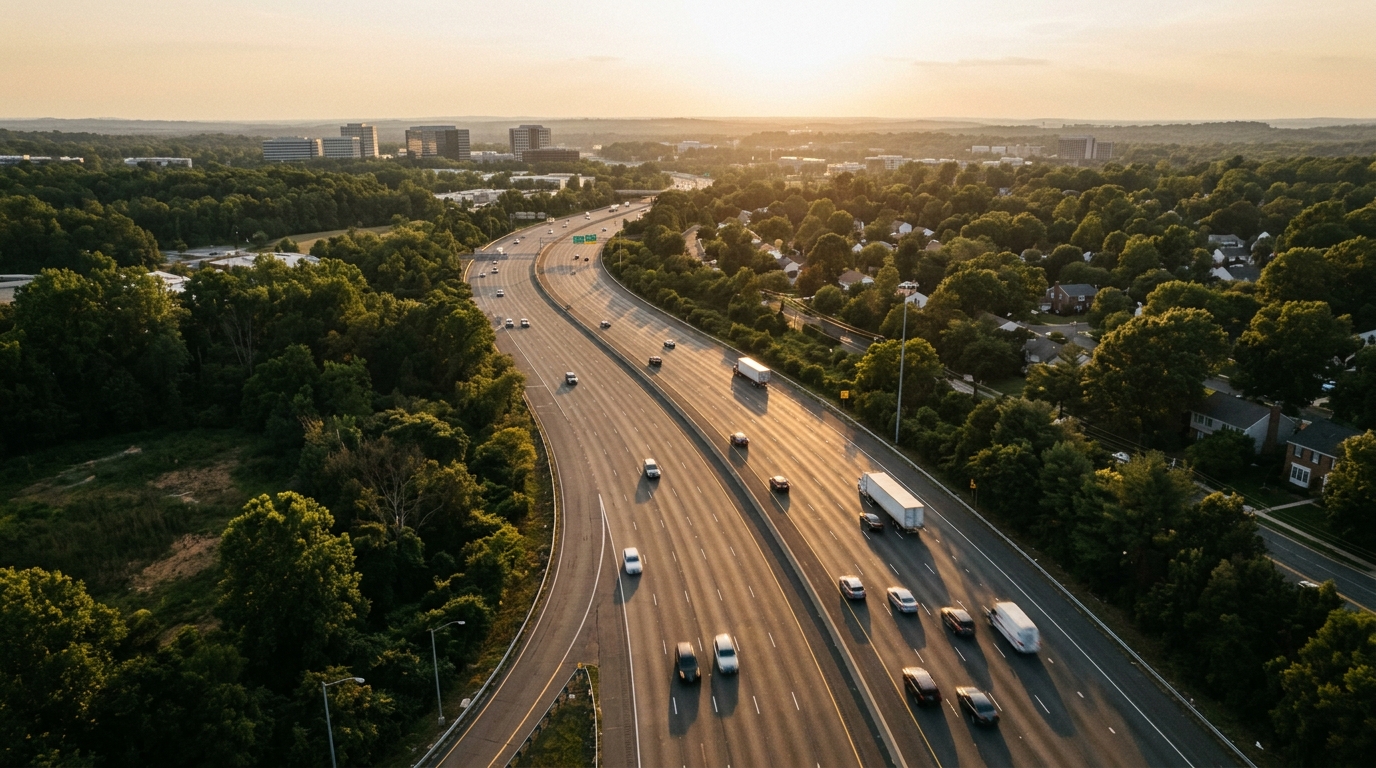
Fairfax County to Cut Speed Limits to 20 MPH on Ten Local Roads
Fairfax County is set to lower speed limits to 20 miles per hour on ten local roads, a move designed to boost safety for pedestrians and residents in neighborhood areas. This initiative reflects the county's commitment to traffic calming and reducing accident severity.