Massive Dirt Mound from White House Renovation Sparks Federal Lawsuit, Threatens Historic D.C. Golf Links
Share this article
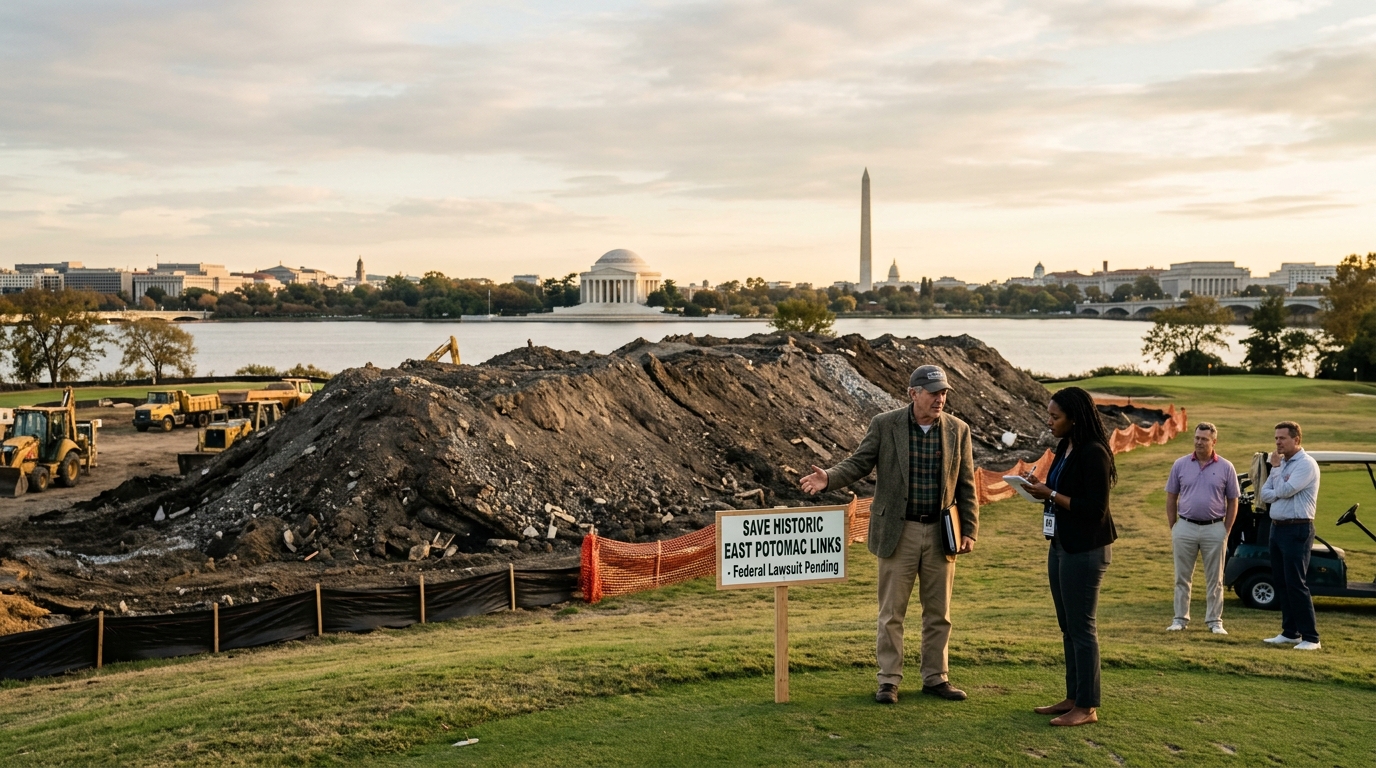
WASHINGTON, D.C. – A colossal mound of dirt, originating from a White House renovation project, has been unceremoniously dumped on the historic East Potomac Golf Links, triggering a federal lawsuit and raising serious concerns about the future of the beloved recreational site [1]. The controversy centers on allegations that the estimated 30,000 cubic yards of soil could contain harmful substances from the demolition process, posing potential environmental and public health risks to the nation's capital.
The extensive volume of material, enough to fill several Olympic-sized swimming pools, was reportedly excavated during President Trump's White House ballroom renovation [1]. Its subsequent deposit on a prominent public golf course, managed by the National Park Service and a popular amenity for D.C. residents and visitors, has ignited a legal battle and calls for accountability.
The Unwanted Deposit: A Mountain of Controversy
The dirt mound, a stark visual anomaly against the greens of East Potomac Golf Links, represents a significant logistical challenge and an environmental quandary. The sheer scale of 30,000 cubic yards underscores the magnitude of the White House renovation project it originated from [1]. While construction debris often requires careful disposal, the decision to place such a large quantity on a public parkland has drawn sharp criticism.
East Potomac Golf Links is not merely a golf course; it is a vital component of the National Mall and Memorial Parks, offering accessible recreation in the heart of Washington, D.C. Its location along the Potomac River also amplifies concerns regarding potential runoff and contamination of the waterway, a critical ecosystem for the region.
Federal Lawsuit Alleges Harmful Substances
At the heart of the dispute is a federal lawsuit, which alleges that the dumped dirt may not be benign soil, but could instead harbor harmful substances from the White House demolition [1]. Demolition waste, particularly from older buildings, can contain a range of hazardous materials, including lead, asbestos, and other contaminants that pose significant health risks if not handled and disposed of properly. The lawsuit seeks to address these concerns, demanding investigation and potential remediation.
The legal proceedings will likely focus on the chain of custody for the dirt, from its excavation at the White House to its final placement at East Potomac. Establishing whether proper environmental assessments were conducted and whether the material meets safety standards for public parkland will be crucial. The outcome of this lawsuit could set precedents for how federal construction projects manage waste, especially when impacting public lands.
A Historic Greenspace in Jeopardy
East Potomac Golf Links, established in 1920, holds a special place in D.C.'s recreational landscape. It is one of the few public courses in the city, offering affordable golf, tennis, and miniature golf facilities. Its accessibility has made it a diverse and inclusive hub for generations of Washingtonians, from seasoned golfers to families enjoying a day outdoors. The current situation places the future of this cherished greenspace into question [1].
Environmental experts emphasize that proper assessment and, if necessary, remediation are paramount. "Any time you have a large volume of unknown fill material placed in an environmentally sensitive area, especially near a major waterway like the Potomac, a thorough analysis is absolutely necessary," stated a local environmental consultant who preferred not to be named due to ongoing litigation. The District Department of Energy and Environment (DOEE) typically oversees such matters within D.C. borders, but the federal nature of the White House and National Park Service lands adds layers of jurisdiction.
Looking Ahead: Resolution and Restoration
The unfolding situation at East Potomac Golf Links highlights the complex interplay between federal projects, environmental stewardship, and community access to public spaces. A swift and transparent resolution is crucial, not only for the integrity of the golf course but for public trust. The legal process will likely involve environmental testing, expert testimonies, and negotiations to determine responsibility and the necessary steps for remediation.
D.C. residents and recreational users are eagerly awaiting clarity on the dirt mound's contents and a plan for its safe removal or treatment. The ultimate goal remains the restoration of East Potomac Golf Links to its full, safe, and accessible capacity for the community it has served for over a century.
📍 Local Resources
Responsible for protecting the environment and natural resources of the District of Columbia. Can investigate environmental concerns and provide guidance on remediation.
Manages East Potomac Park and can provide official statements or information regarding the park's status and any ongoing investigations.
Provides legal assistance to low-income individuals and families in D.C. for a variety of civil legal issues, including environmental justice concerns that may arise from such situations.
Explore more on this topic
Related Stories

Arlington Leaders Eye Federal Shifts After "Historic Tsunami" of Democratic Wins
Arlington leaders are celebrating a "historic tsunami" of Democratic wins in Congress, hoping the shift will bring renewed focus on federal worker pay, Metro funding, and environmental protections vital to the community.
Arlington Democrats Turn Eyes to Congress as Local Races Conclude on Election Night
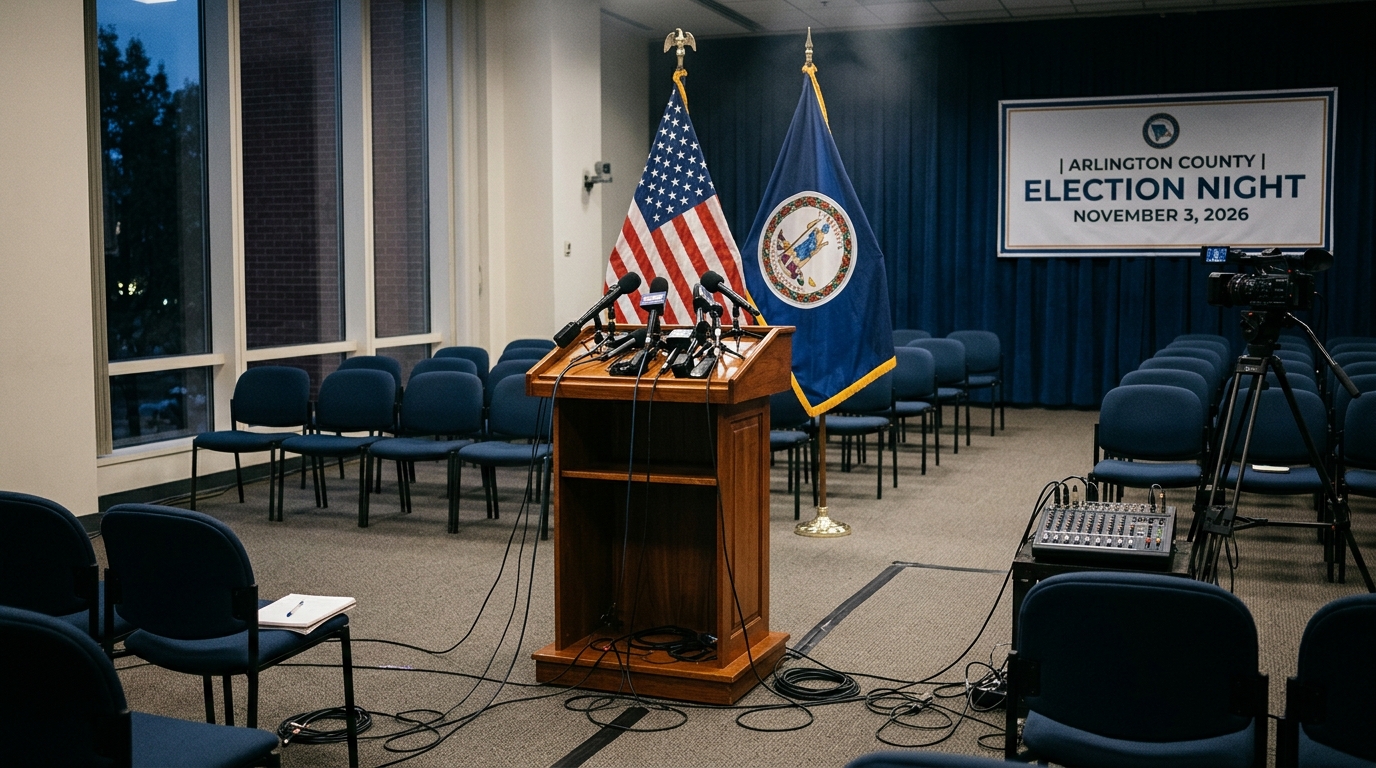
Arlington Democrats gathered in Shirlington on election night, November 3, 2026, found themselves quickly turning their attention from decisive local victories to the high-stakes national battle for control of Congress.
Virginia Midterms: How Election Outcomes Could Reshape the Commonwealth's Constitution and Congressional Map
Midterm election results in Virginia could trigger significant changes to the state's constitution and its congressional delegation, impacting representation and governance for DMV residents for years to come.