Security Questions Mount After Shooting Incident Outside DC's White House Correspondents' Dinner
Share this article

A Night of Glitz, Marred by Gunfire
Every year, the WHCA dinner draws a glittering crowd of journalists, politicians, celebrities, and White House officials to the nation's capital. It's a hallmark event, a blend of formal tradition and lighthearted roast, usually held in a major D.C. hotel ballroom. For those in the DMV, it's a moment when the eyes of the country, and often the world, turn to Washington's social and political elite. The presence of the President of the United States, along with numerous other high-ranking officials, necessitates an ironclad security apparatus, primarily orchestrated by the U.S. Secret Service. This year, however, the usual buzz of the event was overshadowed by the alarming sound of gunfire reported just outside the ballroom. While details from the initial report are concise, the very occurrence of a shooting in such a tightly controlled environment sent immediate ripples of concern through attendees and the broader public. The fact that it happened *outside* the main event space, yet still within the immediate perimeter of a presidential engagement, is a critical point of analysis for security experts.Unpacking the Security Scrutiny
The aftermath of the shooting quickly shifted focus from the dinner's speeches to the effectiveness of the security detail. Key questions immediately arose: How close did the alleged gunman manage to get to President Trump? And what exactly did the Secret Service's security measures entail on that particular night? These aren't minor inquiries; they go to the very heart of presidential protection.The Secret Service Under the Microscope
The U.S. Secret Service has a singular, paramount mission: protecting the President, Vice President, and other high-ranking officials. Any incident that even hints at a lapse in this protection is taken with utmost seriousness. The questions raised following the White House Correspondents' Dinner shooting suggest an immediate internal and potentially external review of the tactics, intelligence, and execution of security plans for the event. This isn't just about the physical perimeter; it's also about the advance work, threat assessments, and real-time response capabilities. The public, especially those living and working in Washington, D.C., relies on the Secret Service's unwavering competence.What This Means for Future DC Events
For D.C. residents, and particularly those involved in planning or attending major events, the shooting incident serves as a stark reminder of the ever-present security challenges in the nation's capital. High-profile gatherings, from state dinners to protests, are a regular part of life here. Any perceived vulnerability in presidential security protocols could trigger broader changes in how large public and private events are secured across the city. Organizers of future events will likely face increased scrutiny and potentially more stringent requirements from federal and local law enforcement agencies. The incident underscores the complex balancing act between ensuring public safety and maintaining the accessibility and tradition of Washington's civic life. As the Secret Service and other agencies undoubtedly review the incident, D.C. residents should anticipate a heightened focus on security measures at upcoming large-scale events. The full implications of this shooting on security policy and public confidence will unfold in the coming weeks and months, shaping how the nation's capital hosts its most important gatherings.Explore more on this topic
Related Stories
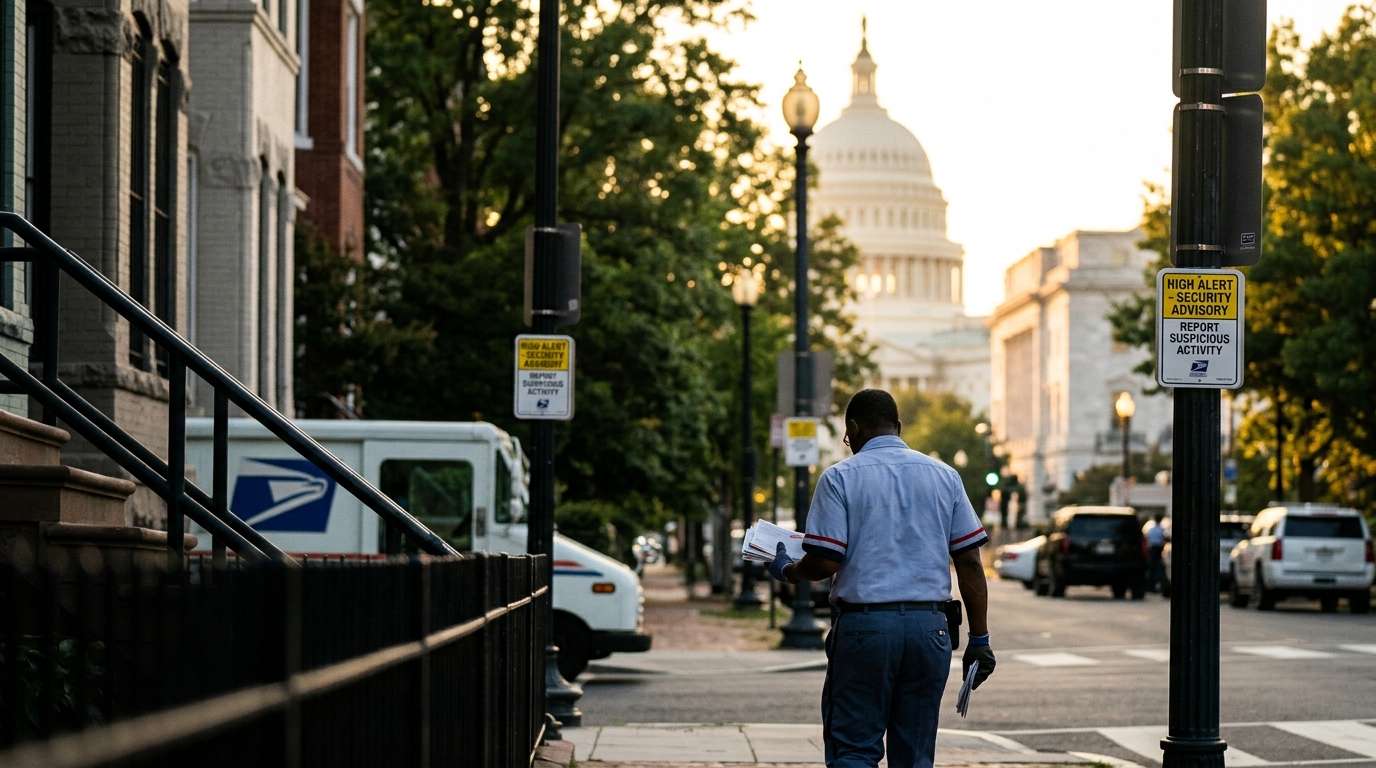
Federal Probe into Suspicious Letters Widens, Keeping the DMV on High Alert
A federal investigation into suspicious letters sent to elected officials is widening, raising security concerns across the DMV region due to its high concentration of federal workers and government operations.
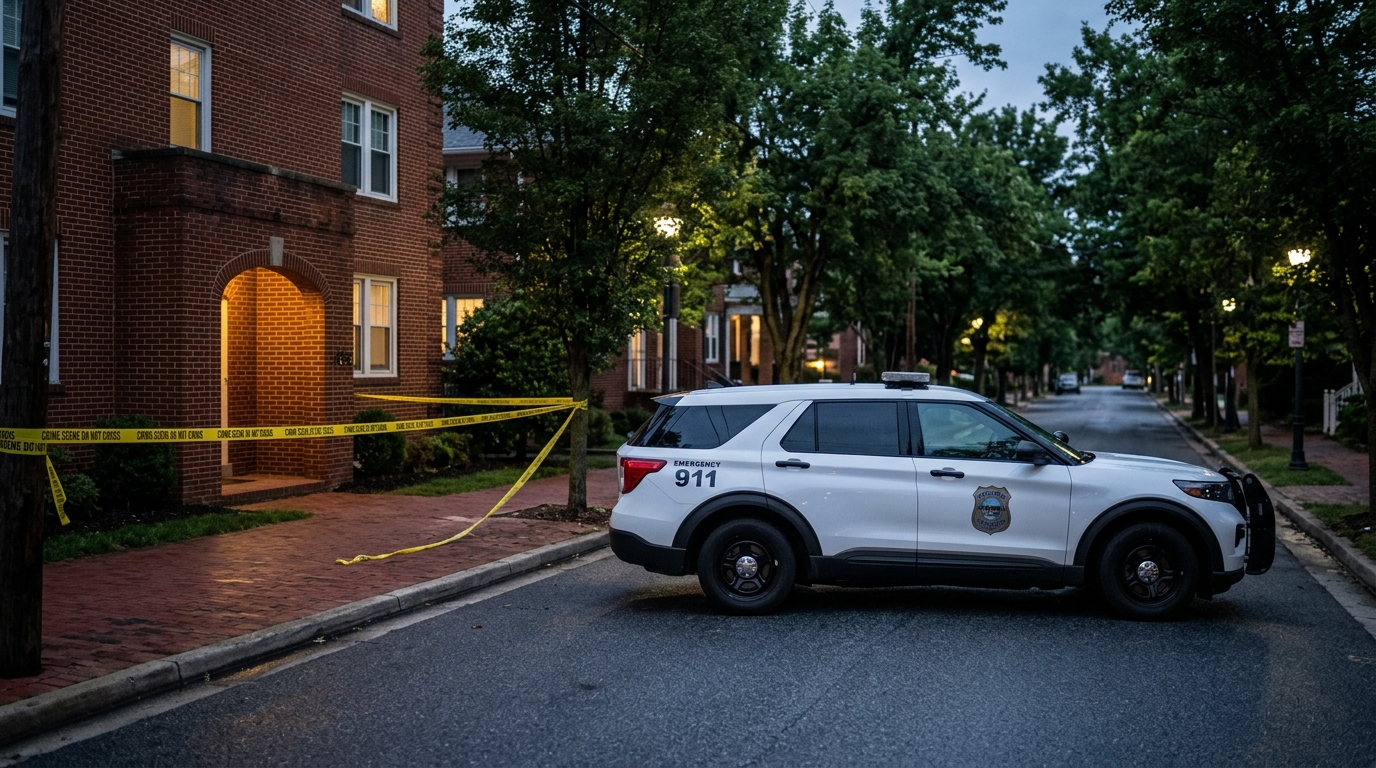
Annapolis Man Faces Federal Charges After Homemade Explosive Found in Apartment
An Annapolis man, Lee Christopher Ralston, is facing serious federal charges after a "pipe bomb" and bomb-making materials were allegedly discovered in his apartment during a police search. The incident highlights a joint investigation by Annapolis Police, Anne Arundel County Fire, and federal agents from the ATF and U.S. Attorney's Office, with Ralston potentially facing decades in prison.
Virginia Lawmakers, Rep. Spanberger Tackle Loss of Federal Healthcare Funds for Transgender Youth
Virginia lawmakers and U.S. Representative Abigail Spanberger are actively addressing the significant implications of lost federal healthcare funds for transgender youth across the Commonwealth. This development raises concerns for families and healthcare providers about access to vital gender-affirming care and mental health support.