Washington Wizards: A Definitive Ranking of Their Greatest Players
Share this article

For decades, the Washington Wizards, and before them the Bullets, have woven themselves into the fabric of the DMV sports landscape, delivering moments of unparalleled triumph, heart-stopping drama, and enduring passion. From the championship glory of the 70s to the electric eras of modern stars, identifying the franchise's greatest players is a perennial debate among local hoops fans, sparking conversations from Capitol Hill coffee shops to backyard barbecues in Fairfax and Bethesda. Join us as we settle the score, diving deep into the careers and legacies of those who left an indelible mark on our beloved team and region.
The Washington Wizards/Bullets franchise boasts a rich history of Hall of Fame talent and fan favorites. While Wes Unseld stands as the undisputed greatest for leading the team to its only NBA Championship in 1978, other legends like Elvin Hayes, Earl Monroe, Bernard King, Gilbert Arenas, and the modern duo of John Wall and Bradley Beal have all carved out their places in DMV basketball lore, making definitive rankings a passionate discussion among local fans.
The Early Dynasties: Bullets Beginnings and Championship Glory
Before they were the Wizards, they were the Bullets, and their earliest chapters are etched in the bedrock of DMV basketball history. The franchise first landed in Baltimore in 1963 as the Zephyrs, quickly rebranding to the Bullets and establishing a fierce presence in the league. However, it was their move to Landover, Maryland, in 1973, playing at the iconic Capital Centre, that truly solidified their identity as the region's team. This era was defined by powerhouse talent and an unbreakable spirit, particularly under the leadership of Wes Unseld, a bruising, rebounding machine and an MVP who embodied the grit of our local community. Paired with the smooth scoring of Elvin Hayes, "The Big E," and earlier, the dazzling play of Earl "The Pearl" Monroe, these Bullets teams were contenders year after year.
The pinnacle arrived in 1978, when Unseld, Hayes, and a resilient squad defied expectations to capture the NBA Championship, bringing a coveted trophy home to the DMV. This triumph wasn't just a sports victory; it was a moment of regional pride, celebrated from the bustling streets of Georgetown to the quiet suburbs of Annapolis. Unseld’s leadership, his selfless play, and his ability to elevate his teammates are why he remains, for many, the undisputed greatest player in franchise history. His impact extended beyond the court, making him a beloved figure whose legacy resonates deeply with long-time residents who remember those glory days.
The 80s and 90s: Stars Through Transition and Rebuilding Efforts
Following the euphoria of the 1978 championship, the Bullets entered a period of transition, marked by flashes of brilliance amidst a landscape of rebuilding. The 1980s saw the emergence of dynamic talents who, despite not reaching the ultimate team success, captivated fans with their individual prowess. Bernard King, a scoring maestro, brought a breathtaking offensive game to the Capital Centre, famously dropping 50 points in a playoff game against the Nets. His time in Washington, though relatively brief, showcased an undeniable superstar ability. Alongside him, the rugged play of Jeff Ruland, an All-Star center known for his tenacity, provided a formidable presence in the paint, often battling against the league's best big men.
The 90s brought further changes, including the controversial decision to rebrand the team from the Bullets to the Wizards in 1997, a move intended to distance the franchise from violent connotations and usher in a new era. This decade also featured exciting young prospects like Chris Webber and Juwan Howard, both members of the famed "Fab Five" from Michigan. Howard, a local product from Chicago who embraced the DMV, became a fan favorite with his consistent scoring and rebounding, and his return to the area as a coach later on further cemented his bond with the region. These years were often challenging, but the dedication of players like Rod Strickland and Gheorghe Muresan kept local fans engaged, hopeful for a return to contention as the team prepared to move downtown to the MCI Center.
The Turn of the Millennium: Wizards Era Emerges with New Stars
The turn of the millennium marked a significant shift for the franchise, not just with the new "Wizards" moniker but also with a new home: the state-of-the-art MCI Center (now Capital One Arena) in the heart of downtown DC. This move ignited a fresh buzz among DMV residents, promising a new chapter of competitive basketball. The excitement reached a fever pitch in 2001 with the unprecedented return of Michael Jordan to the NBA, donning a Wizards jersey. While his two seasons didn't yield a championship, Jordan's presence at Capital One Arena was electrifying, selling out games and inspiring a new generation of local basketball fans. He brought global attention to the franchise and mentored younger players, leaving an undeniable, if unconventional, mark on our team's history.
Following the Jordan era, the Wizards found their new identity with the explosive arrival of Gilbert Arenas. "Agent Zero" quickly became a bonafide superstar, a scoring machine whose clutch shots and flamboyant personality captivated the entire DMV. His individual brilliance, often paired with the steady contributions of Antawn Jamison and the versatile play of Caron Butler, created one of the most exciting periods in recent franchise history. This "Big Three" led the Wizards to multiple playoff appearances, rekindling hope and passion among the faithful. Arenas's ability to take over games, his iconic celebrations, and his deep connection with the community made him a polarizing but unforgettable figure, representing a peak of individual stardom for the Wizards.
Modern Era Mavericks: Wall, Beal, and the Quest for Contention
The 2010s ushered in the "Modern Era Mavericks," centered around the dynamic backcourt duo of John Wall and Bradley Beal. Wall, drafted first overall in 2010, quickly became the face of the franchise, a blazing fast point guard whose electrifying passes and tenacious defense ignited the Capital One Arena crowd. His connection with the DMV ran deep, as he frequently engaged with local charities and became a visible figure in the community. Beal, drafted in 2012, developed into one of the league's most prolific scorers, his silky-smooth jumper and relentless attacking style complementing Wall's playmaking perfectly. Together, they formed a formidable tandem, leading the Wizards to multiple playoff berths and thrilling seven-game series that had the entire region on the edge of their seats.
The "Wall-Beal" era was characterized by high expectations and moments of genuine contention, particularly their memorable runs that included a trip to the Eastern Conference Semifinals in 2017. Their thrilling rivalry games against teams like the Boston Celtics and Toronto Raptors were must-see television for local fans, fostering a renewed sense of pride in the Wizards. However, injuries, particularly to Wall, ultimately derailed their championship aspirations, leading to a pivot in the franchise's direction. Beal remained a constant, breaking franchise scoring records and continuing to represent the Wizards with distinction, even as the team sought to redefine its identity. This era, while ultimately falling short of a title, solidified Wall and Beal as two of the most impactful and beloved players in the modern history of the Washington Wizards.
Honorable Mentions and The Future: Rising Talent and Unsung Heroes
Any comprehensive look at the Wizards' greatest players wouldn't be complete without acknowledging the myriad of talents who, though perhaps not at the very top of our definitive ranking, left an undeniable mark on the franchise and the hearts of DMV fans. Players like Gus Johnson, the acrobatic forward from the Bullets' early years, and Bob Dandridge, a key component of the 1978 championship team, are often celebrated for their contributions. More recently, guys like Otto Porter Jr. brought crucial two-way play during the Wall-Beal era, and Spencer Dinwiddie, though brief, provided a spark. These unsung heroes and consistent contributors are remembered fondly by those who followed the team through thick and thin.
Looking ahead, the future of the Wizards is a constant topic of discussion among our local faithful. The franchise is currently in a rebuilding phase, focused on cultivating young talent and acquiring assets to build a sustainable contender. The excitement now often centers around promising draft picks and developing prospects who aim to become the next generation of franchise cornerstones. As history shows, the path to greatness is rarely linear, but the unwavering support of the DMV community remains a constant. From the Capital Centre to Capital One Arena, the spirit of Washington basketball endures, always eager to embrace new heroes who will one day etch their names alongside the legends we've discussed, striving to bring another championship banner to our nation's capital.
Frequently Asked Questions
Who is considered the greatest Washington Wizard of all time?
Wes Unseld is widely regarded as the greatest Washington Wizard/Bullet of all time. His leadership, rebounding prowess, and an MVP award culminating in the 1978 NBA Championship solidify his legendary status within the franchise.
Did Michael Jordan play for the Washington Wizards?
Yes, Michael Jordan famously came out of retirement to play for the Washington Wizards for two seasons, from 2001 to 2003. While he didn't lead them to a championship, his presence significantly boosted the team's profile and attendance at Capital One Arena.
Who holds the Washington Wizards' all-time scoring record?
Elvin Hayes holds the franchise record for all-time scoring. Known as 'The Big E,' Hayes was a dominant power forward who spent nine seasons with the Bullets, contributing significantly to their success, including the 1978 NBA title.
Which former Wizards players are in the Basketball Hall of Fame?
Several players who spent significant time with the franchise are enshrined in the Basketball Hall of Fame. Key figures include Wes Unseld, Elvin Hayes, and Earl Monroe. Michael Jordan and Bernard King are also Hall of Famers, though recognized primarily for their broader NBA careers, including their stints with the Wizards/Bullets.
What criteria were used to rank the Wizards' greatest players?
The ranking criteria typically include a blend of individual statistics, impact on team success (like championships and playoff appearances), individual awards (MVPs, All-NBA selections), and overall legacy within the franchise's history. Longevity with the team and cultural impact on the DMV basketball scene also play a crucial role in the evaluation.
Explore more on this topic
Related Stories
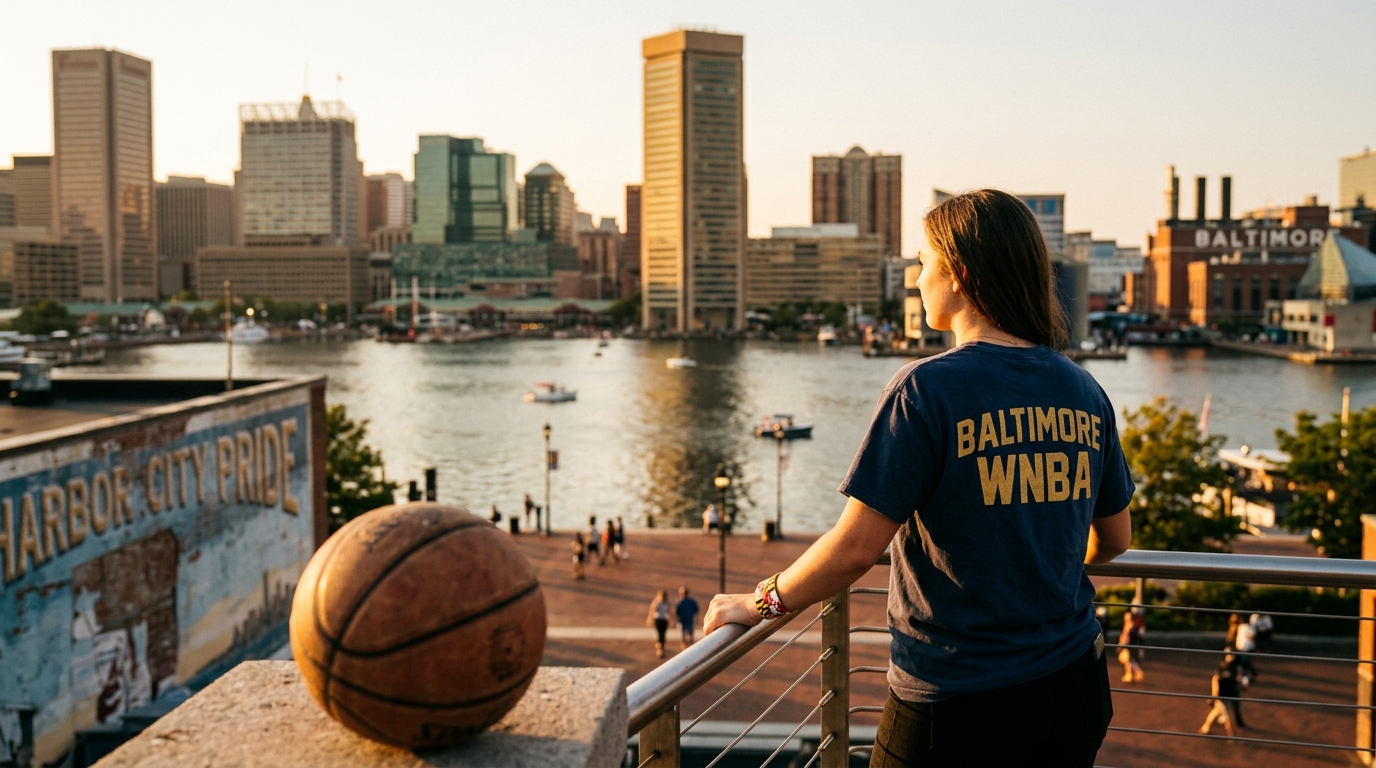
Baltimore's Own Angel Reese Leads "The Dream" to WNBA Finals, Poised for History
Baltimore native Angel Reese has led her team, "the Dream," to the WNBA Finals, bringing local pride to the DMV. Her evolving game and synergy with the team have placed her on the cusp of becoming a generational star, with the potential to be the first of her era to win a WNBA title.
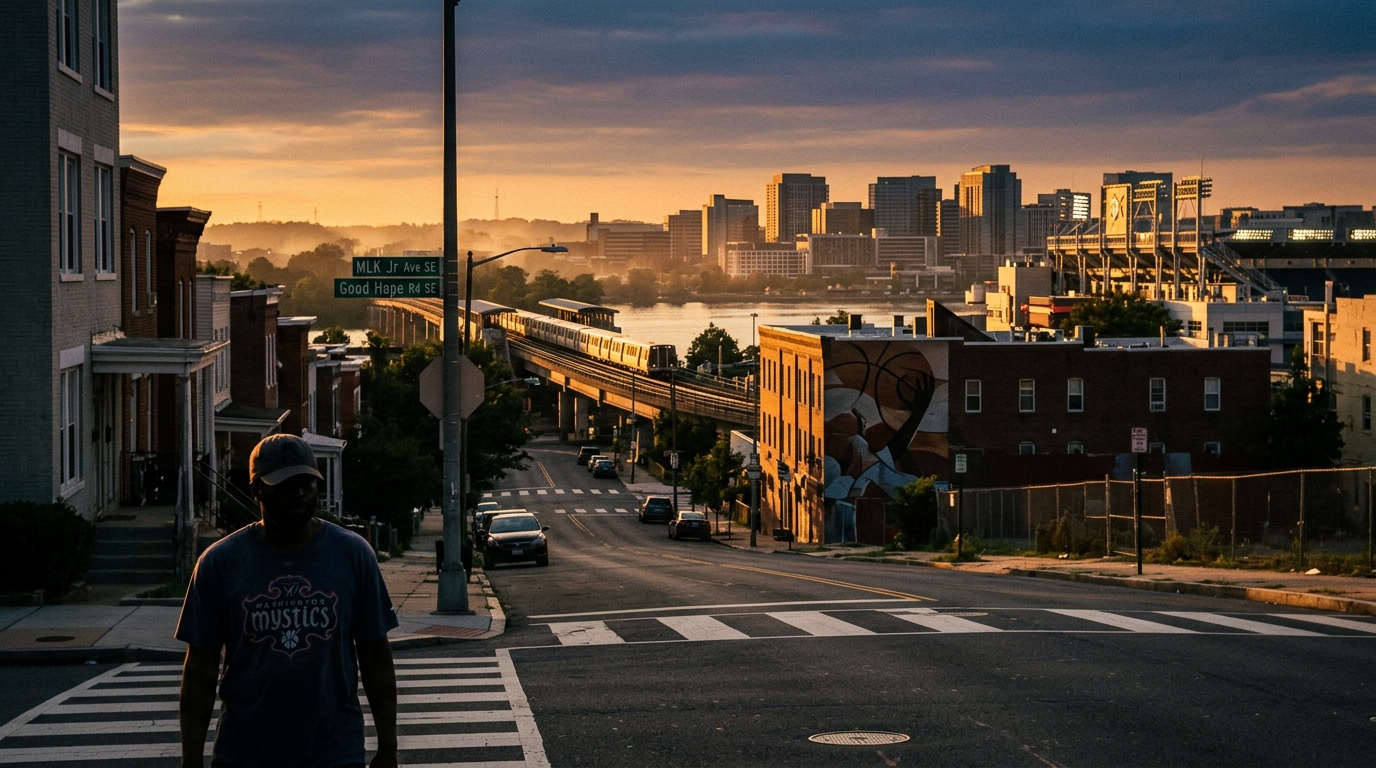
A'ja Wilson Secures Historic Fifth WNBA MVP, Setting New Bar for Washington Mystics and the League
A'ja Wilson has made history, securing her fifth WNBA MVP award and third straight, a milestone that significantly impacts the competitive landscape for teams like the Washington Mystics.
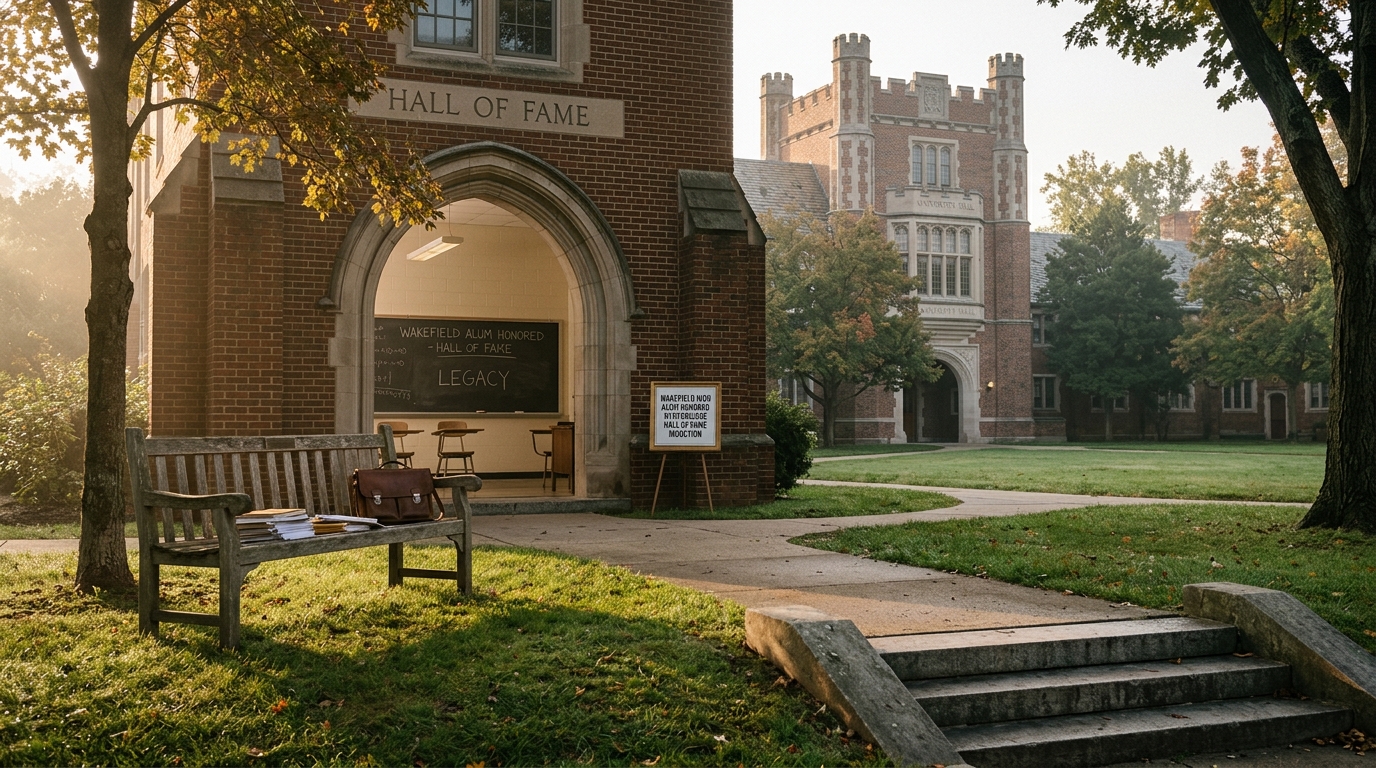
Wakefield High Alum Honored with College Hall of Fame Induction for Standout Basketball Career
A former Wakefield High School basketball star has been inducted into a college hall of fame, celebrating a record-setting career that began on Arlington's courts and highlighting the enduring legacy of local athletic talent.