Virginia Senators Push Bill to Restrict Flights at Reagan National Airport After Collision
Share this article
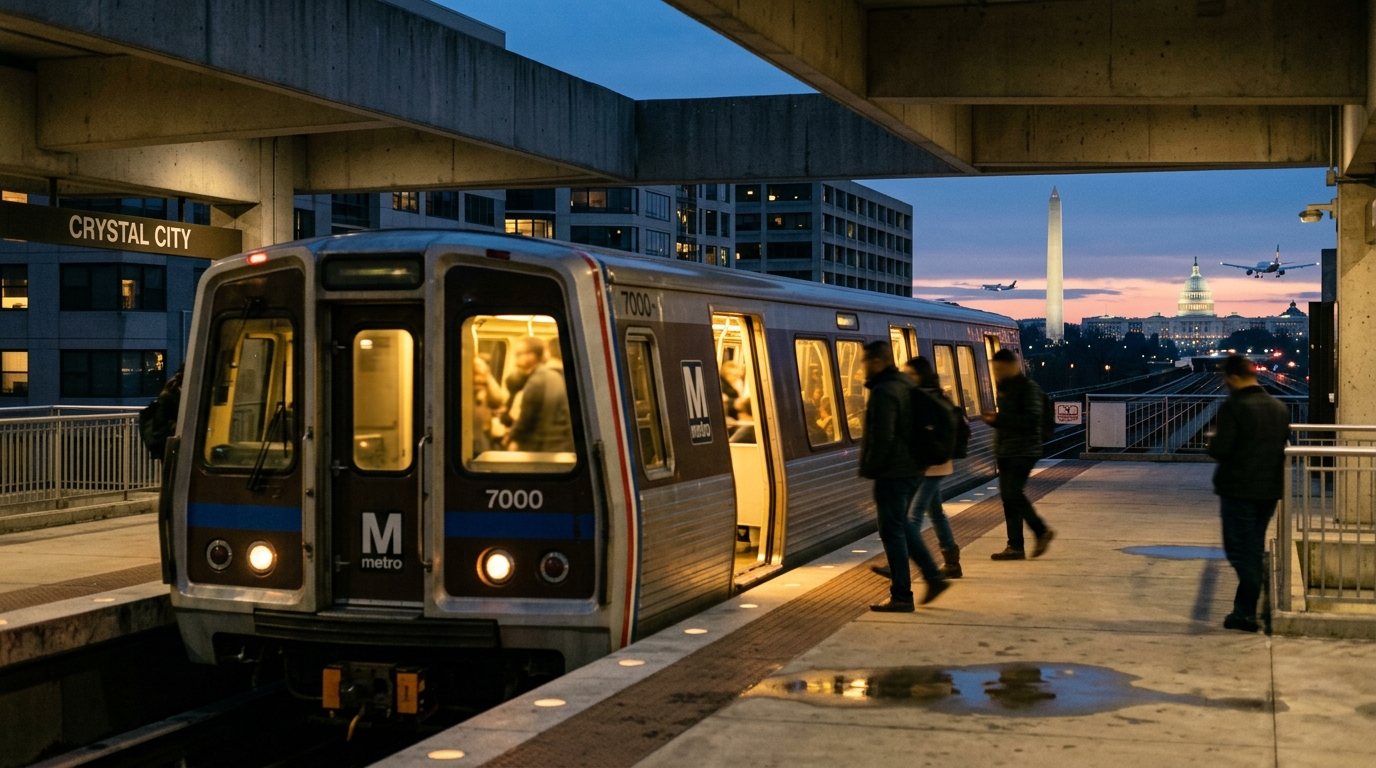
The Push for Greater Safety at DCA
The core of the proposed bill centers on imposing new restrictions on flights operating out of DCA. While the specific nature of these restrictions has yet to be fully detailed, the intention is clear: to reduce the overall number of flights, or perhaps limit certain types of operations, to enhance safety. For many, DCA's convenience is its greatest asset, allowing quick access to the nation's capital. However, the recent collision has shifted the conversation."Safety is more important than convenience for members of Congress." — **A Lawmaker** (The Washington Post)This statement encapsulates the growing sentiment that the benefits of easy access might be outweighed by potential risks. Reagan National operates under specific regulations, including the "perimeter rule," which limits most non-stop flights to destinations within 1,250 miles, though some exceptions exist. Any new restrictions would build upon or alter this existing framework, potentially affecting a wide array of travelers and airlines.
Understanding DCA's Unique Challenges
Reagan National Airport (DCA), officially Ronald Reagan Washington National Airport, is a critical component of the DMV's transportation infrastructure. Its location, just across the Potomac River from Washington, D.C., makes it incredibly convenient but also presents significant operational challenges. The airport's runways are relatively short, and its airspace is complex, situated within the highly restricted flight zone around the nation's capital. The Federal Aviation Administration (FAA) oversees air traffic control and safety standards for all U.S. airports, including DCA. Any legislative changes would require careful coordination with the FAA to ensure that new regulations are implementable and truly enhance safety without creating unforeseen issues. The current volume of traffic at DCA already demands precise air traffic management, and adding new restrictions would undoubtedly require a thorough review of existing procedures.What This Means for DMV Residents and Travelers
For the millions of people who call the DMV home, and especially those who rely on DCA for business or leisure travel, this bill could have profound implications. Fewer flights could mean higher ticket prices, fewer direct routes, and potentially longer travel times as passengers might need to use other regional airports like Washington Dulles International (IAD) or Baltimore/Washington International Thurgood Marshall Airport (BWI). The economic ripple effects could also be significant. Airlines operating out of DCA would need to adjust their schedules and potentially reallocate resources. Businesses that rely on frequent, convenient air travel to and from D.C. might face new logistical hurdles. On the other hand, residents living near the airport might welcome a reduction in air traffic, potentially leading to less noise pollution and a perceived increase in local safety. The legislative process for such a bill can be lengthy and complex. Introduced by Virginia senators, the bill would need to navigate through various committees in the U.S. Congress, undergo debates, and potentially face amendments before it could become law. Public input and lobbying efforts from airlines, business groups, and community organizations are almost certainly going to play a significant role in shaping its final form. Concerned citizens can often track federal legislation through resources like Congress.gov.Looking Ahead: The Future of Air Travel in the Capital Region
The introduction of this bill signals a renewed focus on air safety at one of the nation's most uniquely situated airports. While the convenience of DCA is undeniable, the lawmakers behind this initiative are making it clear that safety must be the paramount concern, especially after a recent operational incident. The debate over this legislation will undoubtedly involve a careful balancing act between accessibility, economic impact, and the imperative to prevent future accidents. DMV residents should closely follow the progression of this bill through Congress. It's not just about flight schedules; it's about the future of a critical regional asset and the broader implications for transportation, business, and daily life in the Washington metropolitan area. Keep an eye on congressional committees and local news for updates on how these proposed restrictions could land. The official Reagan National Airport website also provides up-to-date information on airport operations.📍 Local Resources
Information on flights, airport services, parking, and transportation options.
Track federal bills, including those affecting aviation and local infrastructure.
Official source for air traffic control, aviation safety, and airport regulations.
Explore more on this topic
Related Stories
Alsobrooks Renews Call for RFK Jr.'s Resignation Over Misinformation
Prince George's County Executive Angela Alsobrooks has renewed her call for Robert F. Kennedy Jr.'s resignation, citing his "dangerous and unacceptable" spread of misinformation on public health issues, including COVID-19. This push from the U.S. Senate candidate highlights the ongoing political and scientific debate impacting the DMV.
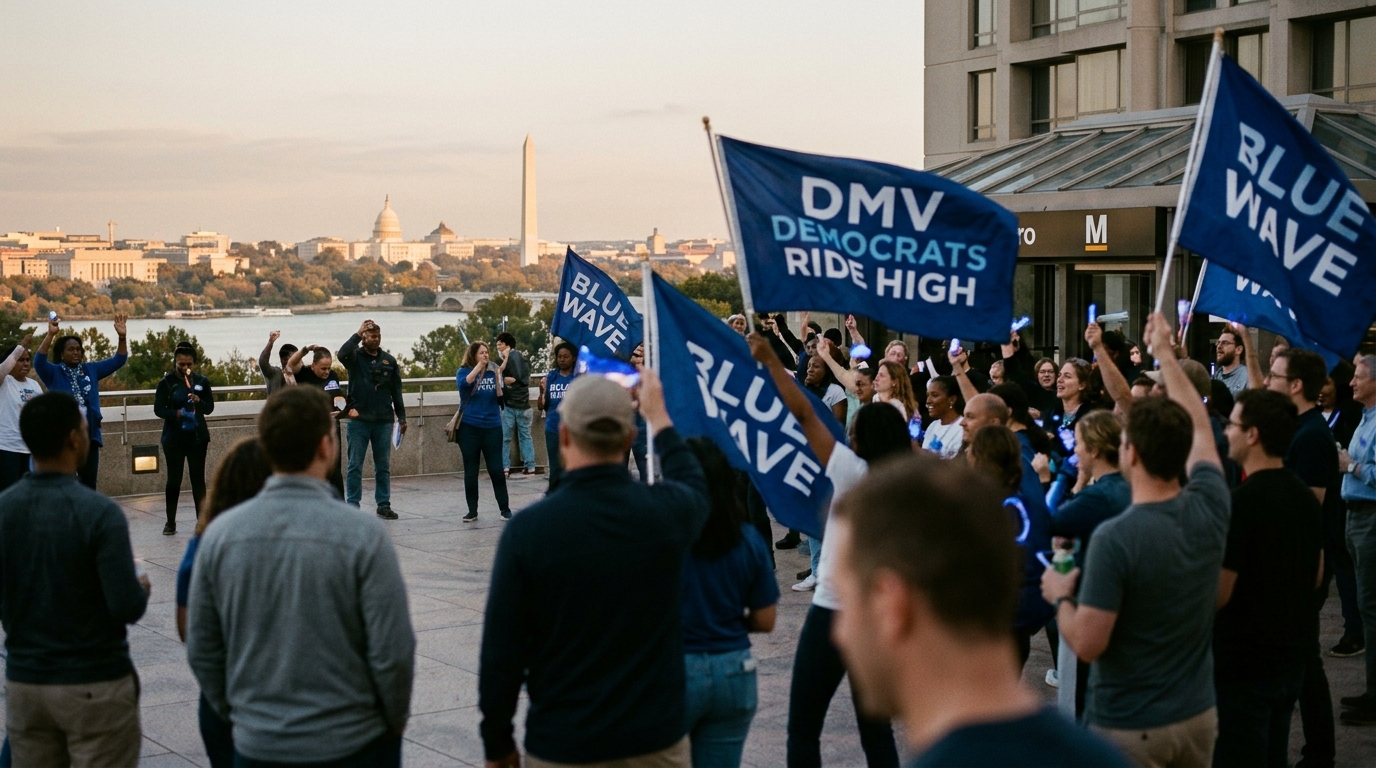
DMV Democrats Ride High on Sustained "Blue Wave" Sentiment
DMV Democrats are celebrating a sustained "blue wave" of electoral success, solidifying their power and pushing progressive agendas across the region. This isn't just about winning; it's about a deep-seated political identity and what it means for local governance and federal representation.

Will Jawando Secures Montgomery County Executive Seat, Faces Immediate Budget Challenges
Will Jawando has officially won the Montgomery County Executive seat, setting the stage for his administration to tackle a substantial budget deficit and implement a new 100-day agenda for the deep-blue county.