Virginia Voters Head to Polls for Pivotal Redistricting Referendum: What it Means for Representation
Share this article
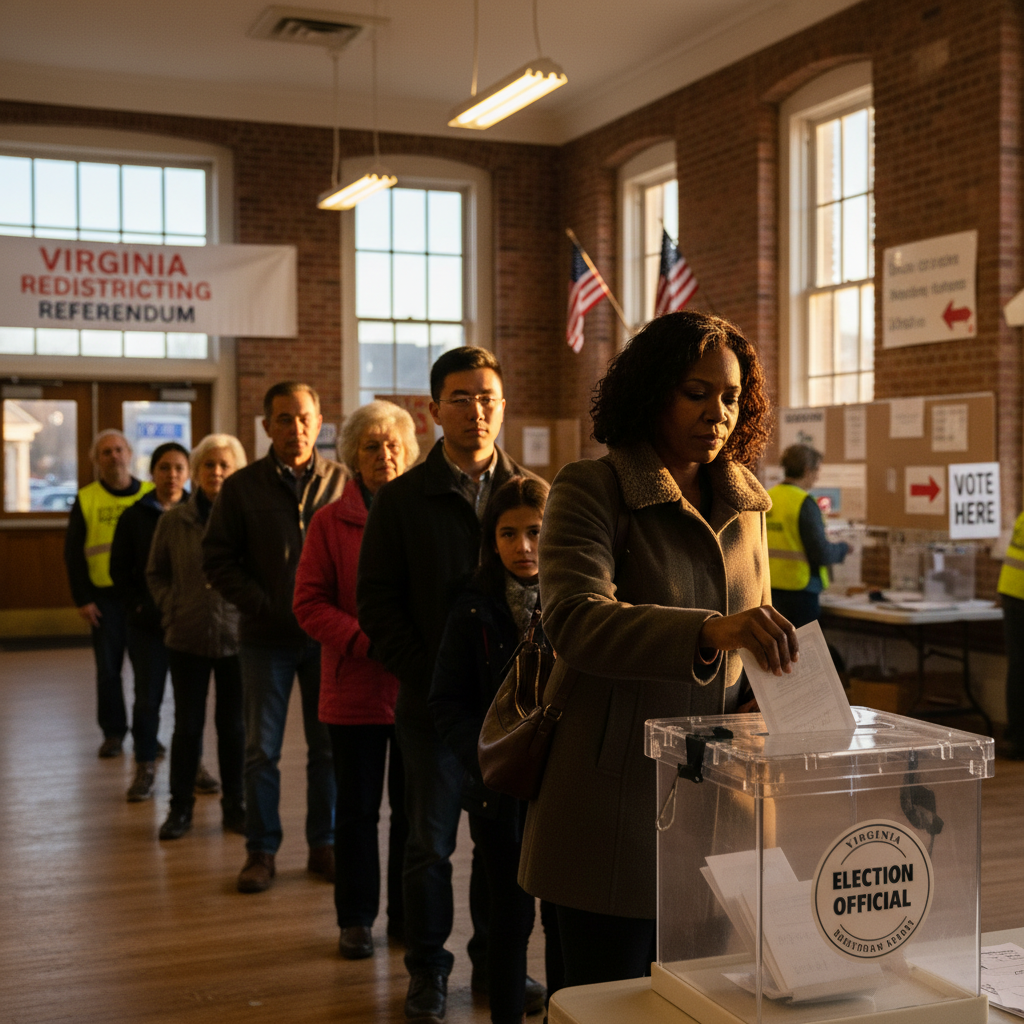
Virginia residents across the Commonwealth are heading to the polls today, Tuesday, to cast their votes in a crucial special election focused on a redistricting referendum. This statewide vote carries significant implications for how political boundaries will be drawn, ultimately shaping legislative representation for years to come.
The ballot initiative, which saw prominent figures like current Democratic Governor Abigail Spanberger and former Republican Governor Glenn Youngkin actively campaigning in its final days, asks voters to weigh in on a process that determines the composition of congressional and state legislative districts[1]. For voters in areas like Portsmouth, where polls opened at 6 a.m. and will close at 7 p.m., this election is a direct opportunity to influence the future of their political landscape[1].
The Stakes of Redistricting for Virginia
Redistricting, the process of redrawing electoral maps, occurs every ten years following the U.S. Census. It's a fundamental aspect of democratic governance, designed to ensure that districts are roughly equal in population and that communities are fairly represented. However, historically, this process has often been contentious, with accusations of gerrymandering – manipulating district boundaries to favor one political party or group – frequently arising.
For Virginia, a state with a dynamic and diverse population, the outcome of this referendum could dramatically alter the balance of power in the General Assembly and its representation in the U.S. Congress. A fair and transparent redistricting process is vital for maintaining public trust and ensuring that every vote truly counts. The Virginia Department of Elections provides comprehensive information on voter rights and election integrity, underscoring the importance of each citizen's participation in these foundational democratic processes.
Key Voices on the Campaign Trail
The significance of the redistricting referendum was underscored by the active involvement of some of Virginia's most influential political figures. Both current Democratic Governor Abigail Spanberger and former Republican Governor Glenn Youngkin dedicated the final weekend before the election to campaigning, urging their respective supporters to turn out and vote[1]. Their engagement highlights the bipartisan recognition of how profoundly redistricting can impact future elections and legislative outcomes.
The presence of both a sitting governor and a former governor on the campaign trail indicates the high stakes associated with this vote. Their efforts aimed to mobilize voters, emphasizing different perspectives on how the state's electoral maps should be drawn and who should control that critical process. For many Virginians, understanding the nuances of these proposals, particularly how they might affect their local representation, is key to making an informed decision.
Understanding the Referendum's Potential Impact
The specific language of the redistricting referendum varies, but generally, such initiatives aim to establish independent or bipartisan commissions to handle the redistricting process, thereby reducing the potential for partisan gerrymandering. If approved, such a measure could lead to more competitive districts, potentially shifting the political landscape and giving a stronger voice to previously marginalized communities or viewpoints.
Conversely, if the referendum fails, the existing redistricting mechanisms, which may involve more direct legislative control, would remain in place. This could perpetuate concerns about political influence in drawing district lines. Residents across Northern Virginia, from Arlington to Loudoun County, and extending throughout the Commonwealth, will feel the effects of this decision in their local, state, and federal representation for the next decade. The Virginia General Assembly's legislative information system provides access to the state's election laws and constitutional provisions governing redistricting, offering deeper insight into the legal framework.
Voter Participation and Local Resources
For Virginians, participating in this special election is a direct exercise of their democratic rights and responsibilities. Ensuring that all eligible voters have the information they need to cast their ballot is paramount. Polling places across the state are operating under standard hours, from 6 a.m. to 7 p.m.[1], providing ample opportunity for citizens to make their voices heard.
Understanding your district and how electoral changes might affect you is a continuous process. Resources are available to help voters stay informed about their registration status, polling locations, and legislative representatives. The outcome of this referendum will undoubtedly set a precedent for future political contests and the overall fairness of Virginia's electoral system.
📍 Local Resources for Virginia Voters
Official state resource for voter registration, polling place lookup, election results, and general election information.
Non-partisan organization providing data and analysis on money in Virginia politics, including district maps and election results.
Advocates for voter rights and provides non-partisan information on elections and public policy issues, including redistricting.
Explore more on this topic
Related Stories

FBI and Postal Service Investigate Suspicious Mail to Congressional and Election Offices Across the DMV
Federal authorities are investigating letters containing suspicious substances sent to congressional and election offices across the DMV. The FBI and U.S. Postal Inspection Service are leading the joint probe, highlighting concerns for public safety and the integrity of democratic processes in the region.

Virginia Attorney General Establishes New Voter Protection Unit
Maryland's Political Slogans: Catchy Campaigns That Often Fade Away
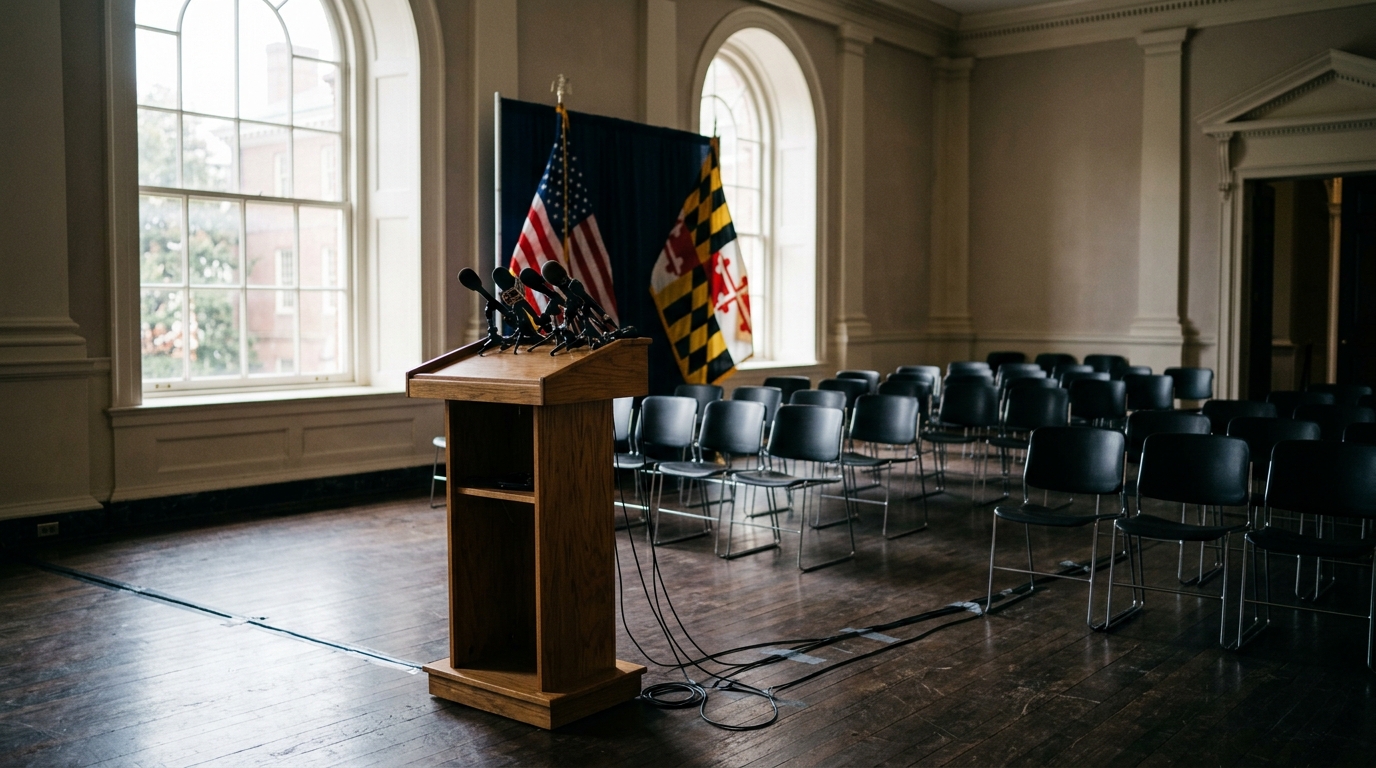
Political slogans are powerful tools during Maryland elections, but they often vanish once the ballots are counted, giving way to the practical language of governance.