Courts
Virginia Judge Blocks Certification of New Congressional Maps, Halting Electoral Process
Share this article
Advertisement
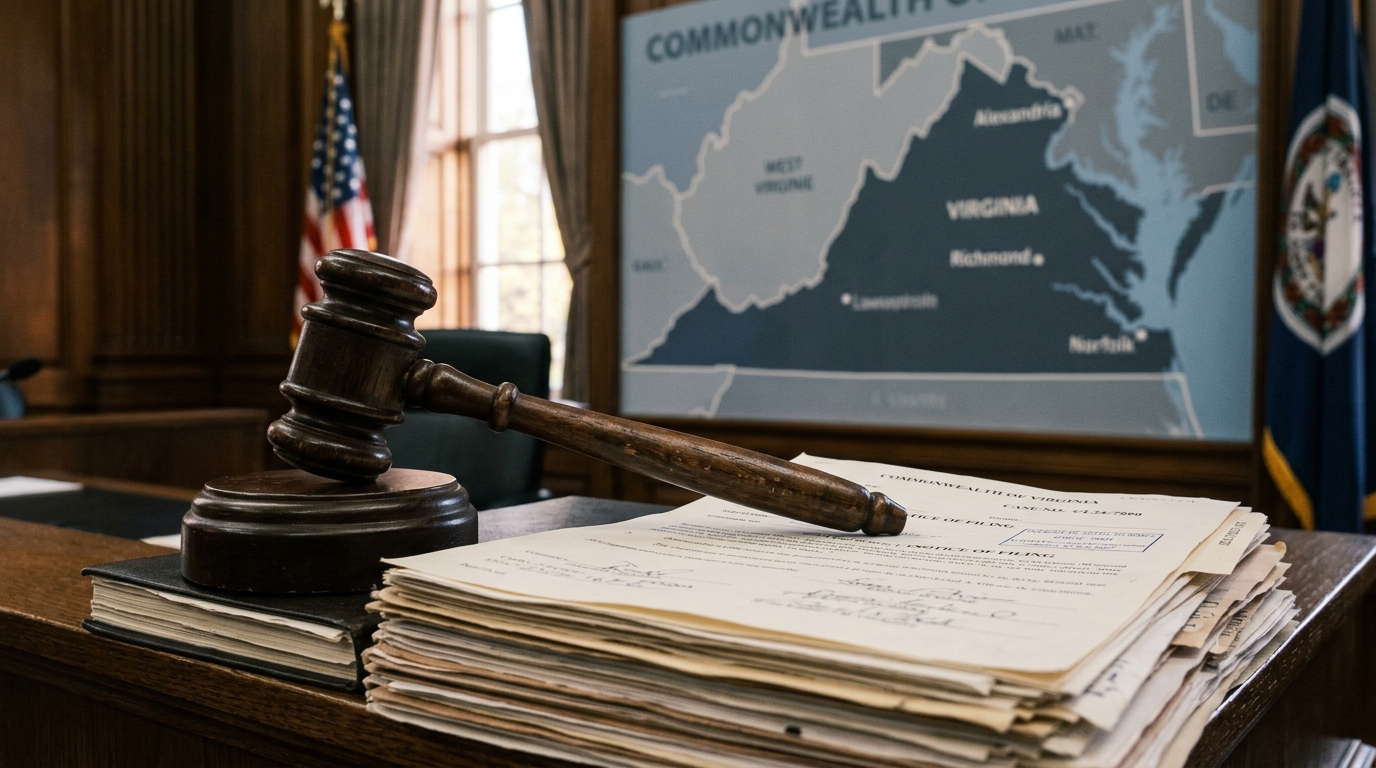
A Virginia judge has issued a ruling blocking the certification of the state's newly drawn congressional maps, a development that introduces uncertainty into the Commonwealth's electoral process. The decision, reported by FOX5DC[1], temporarily halts the formal approval of the boundaries that will define federal representation for Virginia residents for the coming decade. This judicial intervention underscores the critical role courts play in overseeing the fairness and legality of redistricting efforts. The move comes at a pivotal time, as states across the country finalize their electoral maps following the decennial census. Redistricting is the process of redrawing electoral district boundaries to ensure that each district contains roughly the same number of people, thereby upholding the principle of "one person, one vote." These maps determine how communities are grouped for congressional elections, profoundly influencing political representation and power dynamics for years to come.
A judicial block on the certification of new congressional maps signals a significant legal challenge, potentially reshaping the electoral landscape for Virginia voters.
### The Importance of Redistricting in Virginia Virginia's political landscape is diverse, encompassing urban centers, suburban communities, and rural areas, all with distinct needs and demographics. The way congressional districts are drawn can impact everything from federal funding allocation to the legislative priorities of elected officials. When maps are challenged and subsequently blocked by a court, it often indicates concerns about potential gerrymandering, racial equity, or adherence to state and federal legal standards. The Commonwealth's redistricting process has evolved significantly over recent years. Historically, the General Assembly was responsible for drawing these boundaries. However, a 2020 constitutional amendment established an independent redistricting commission, aiming to reduce partisan influence. Despite these reforms, judicial oversight remains a crucial safeguard against maps that may not fully meet legal requirements or fairly represent the state's population. Information on Virginia's electoral laws and processes can be found on the Virginia Department of Elections website. ### Implications for Virginia Voters and Future Elections The judge's decision means that the previously proposed congressional maps cannot be formally adopted until the legal issues are resolved. This could lead to delays in election preparations, including candidate filing deadlines and voter education efforts. For constituents across Northern Virginia, Hampton Roads, and the state's other regions, the boundaries of their congressional districts remain in flux. This uncertainty can make it difficult for voters to understand which district they reside in and who their potential representatives might be. Legal challenges to redistricting are not uncommon, as the stakes are incredibly high. Courts often review maps to ensure they comply with the Voting Rights Act of 1965, which prohibits discrimination in voting, and other constitutional principles. A block on certification suggests that the court found sufficient grounds to question the legality or fairness of the proposed boundaries, necessitating further review or revisions. The Virginia General Assembly provides public access to information regarding redistricting efforts. ### The Path Forward While the specific reasons for the judge's block were not detailed in the FOX5DC report[1], such rulings typically lead to either an appeal by the parties involved in drawing the maps or a directive for the map-drawing body to revise the boundaries to address the court's concerns. The legal process can be complex and time-consuming, potentially extending the period of uncertainty for Virginia's congressional districts. This judicial oversight highlights the checks and balances inherent in the American democratic system. Even with independent commissions, the final say on the legality and constitutionality of electoral maps often rests with the judiciary. Virginia residents are encouraged to stay informed about these developments, as the outcome will directly shape their representation in the U.S. House of Representatives for the next decade. Advertisement