Virginia Poised to Reform Felony Disenfranchisement Laws, Expanding Voting Access
Share this article
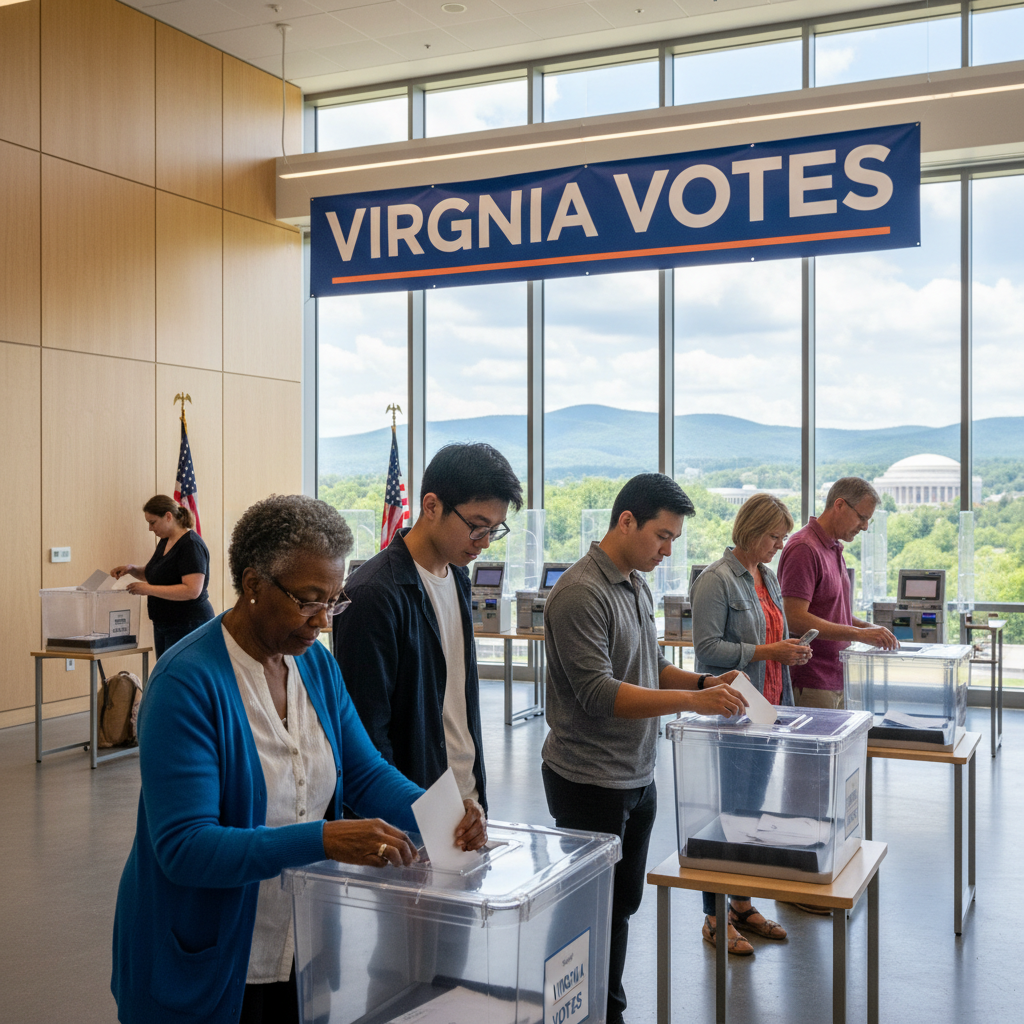
Virginia, a state with some of the most restrictive laws regarding the restoration of voting rights for individuals with felony convictions, is on the cusp of significant reform. For years, Virginia has stood as one of a mere handful of states where only the governor possesses the authority to reinstate these fundamental civic rights. However, legislative efforts and growing public discourse suggest a potential shift that could dramatically alter the landscape of voter enfranchisement for thousands of formerly incarcerated Virginians.
A Legacy of Strict Disenfranchisement
Historically, Virginia has maintained a stringent approach to felony disenfranchisement, a practice that disenfranchises individuals convicted of felonies. Under current statutes, individuals convicted of a felony are automatically stripped of their right to vote, and its restoration is solely at the discretion of the governor. This executive power has led to inconsistent application and has been a point of contention for voting rights advocates for decades. Unlike many other states that automatically restore voting rights upon completion of sentence, parole, or probation, Virginia’s system places a significant barrier to rejoining the electorate.
This unique gubernatorial power is shared by only two other states, making Virginia's system particularly notable. The process of seeking restoration from the governor can be lengthy and opaque, often leaving individuals uncertain about their eligibility and the timeline for regaining their voice in the democratic process. Advocates argue that this system disproportionately affects minority communities, which are overrepresented in the criminal justice system, thereby diluting their political power.
Legislative Momentum for Change
The tide may be turning, however, with legislative proposals aiming to streamline and automate the restoration of voting rights. While specific details of potential new legislation are still being debated and shaped, the general consensus among proponents is to move away from the governor's sole discretion towards a system where rights are automatically restored upon completion of a felony sentence, including any period of parole or probation.
The NPR report highlights that Virginia is one of only three states where the governor holds exclusive authority over restoring voting rights for individuals with felony convictions[1]. This fact underscores the unique position Virginia occupies and the potential impact of any legislative changes. Proponents of reform believe that automatically restoring these rights would not only be a matter of fairness and equity but would also strengthen the democratic fabric of the Commonwealth.
Arguments for Restoration
Supporters of reform emphasize the rehabilitative aspect of the justice system. They argue that once an individual has paid their debt to society by completing their sentence, they should be fully reintegrated into the community, which includes the right to participate in elections. Restoring voting rights is seen as a crucial step in this reintegration process, allowing formerly incarcerated individuals to have a stake in the laws and policies that govern them.
Furthermore, expanding voting access is often linked to increased civic engagement and reduced recidivism. When individuals feel connected to their communities and have a voice in governance, they are more likely to become productive, law-abiding citizens. Organizations like the ACLU of Virginia have long advocated for these changes, citing the importance of universal suffrage and the need to dismantle systemic barriers that prevent citizens from exercising their fundamental rights.
Looking Ahead
As Virginia's legislative session progresses, all eyes will be on lawmakers to see if they can reach a consensus on reforming these long-standing disenfranchisement laws. The potential changes represent a significant step towards aligning Virginia with a growing national trend of expanding voting rights and acknowledging the importance of full civic participation for all citizens who have completed their legal obligations. The outcome of these legislative efforts could have a profound impact on thousands of individuals and the broader political landscape of the Commonwealth.
The implications of such reforms extend beyond individual enfranchisement. They touch upon broader discussions about justice, rehabilitation, and the very definition of citizenship in a democratic society. By potentially moving towards automatic restoration, Virginia could serve as a model for other states grappling with similar issues of felony disenfranchisement.
📍 Local Resources
Advocates for civil rights and liberties, including voting rights restoration for individuals with felony convictions.
Provides information on voter registration and election laws in Virginia.
Offers legal assistance and advice, potentially including guidance on voting rights restoration.
Explore more on this topic
Related Stories

Montgomery County Police Chief Nominee Defends Against Fraud Claims
A nominee for Montgomery County Police Chief is actively defending against fraud claims, raising significant questions about the rigorous vetting process for top public safety roles in the DMV. This development puts a spotlight on public trust and accountability for leadership in Montgomery County.
Alsobrooks Renews Call for RFK Jr.'s Resignation Over Misinformation
Prince George's County Executive Angela Alsobrooks has renewed her call for Robert F. Kennedy Jr.'s resignation, citing his "dangerous and unacceptable" spread of misinformation on public health issues, including COVID-19. This push from the U.S. Senate candidate highlights the ongoing political and scientific debate impacting the DMV.
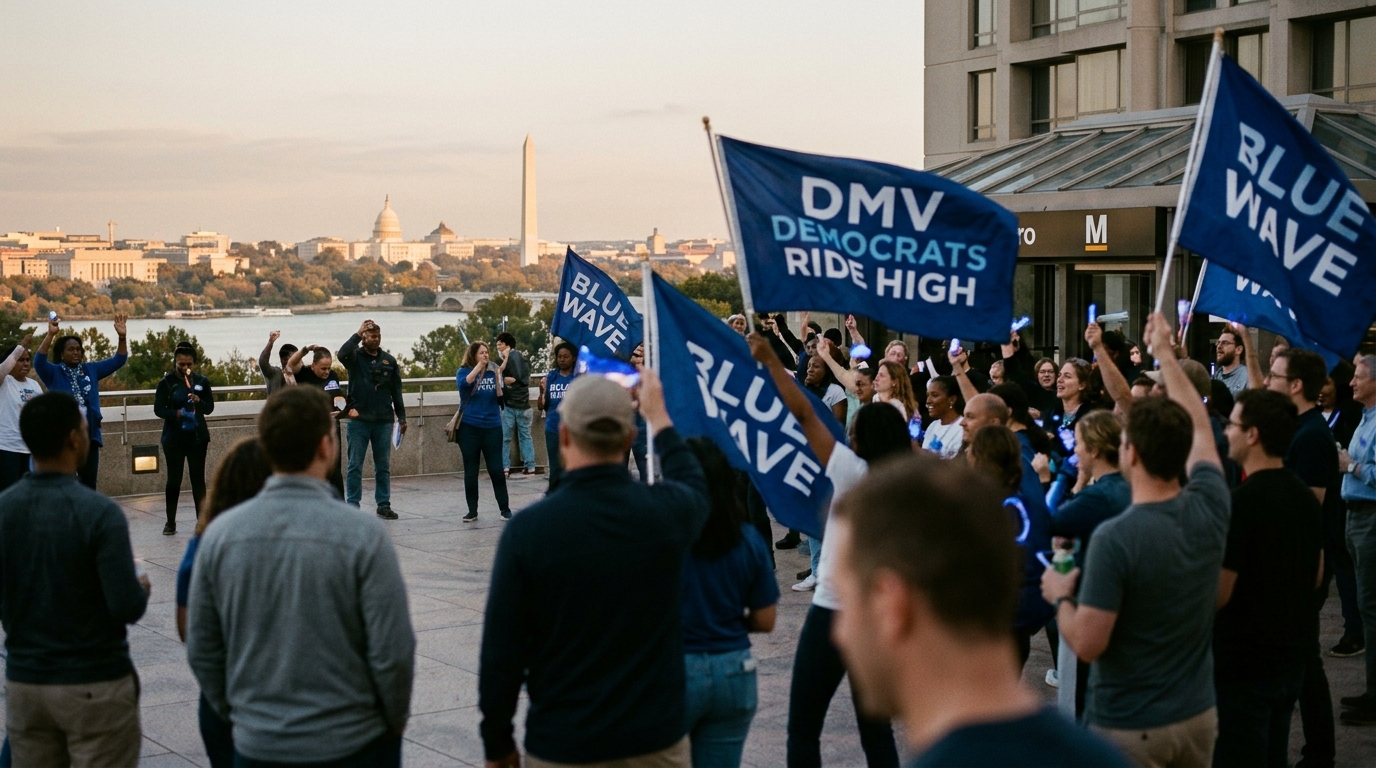
DMV Democrats Ride High on Sustained "Blue Wave" Sentiment
DMV Democrats are celebrating a sustained "blue wave" of electoral success, solidifying their power and pushing progressive agendas across the region. This isn't just about winning; it's about a deep-seated political identity and what it means for local governance and federal representation.