New Virginia Law Tightens Cell Phone Restrictions in K-12 Schools, Impacts Fairfax County Students
Share this article
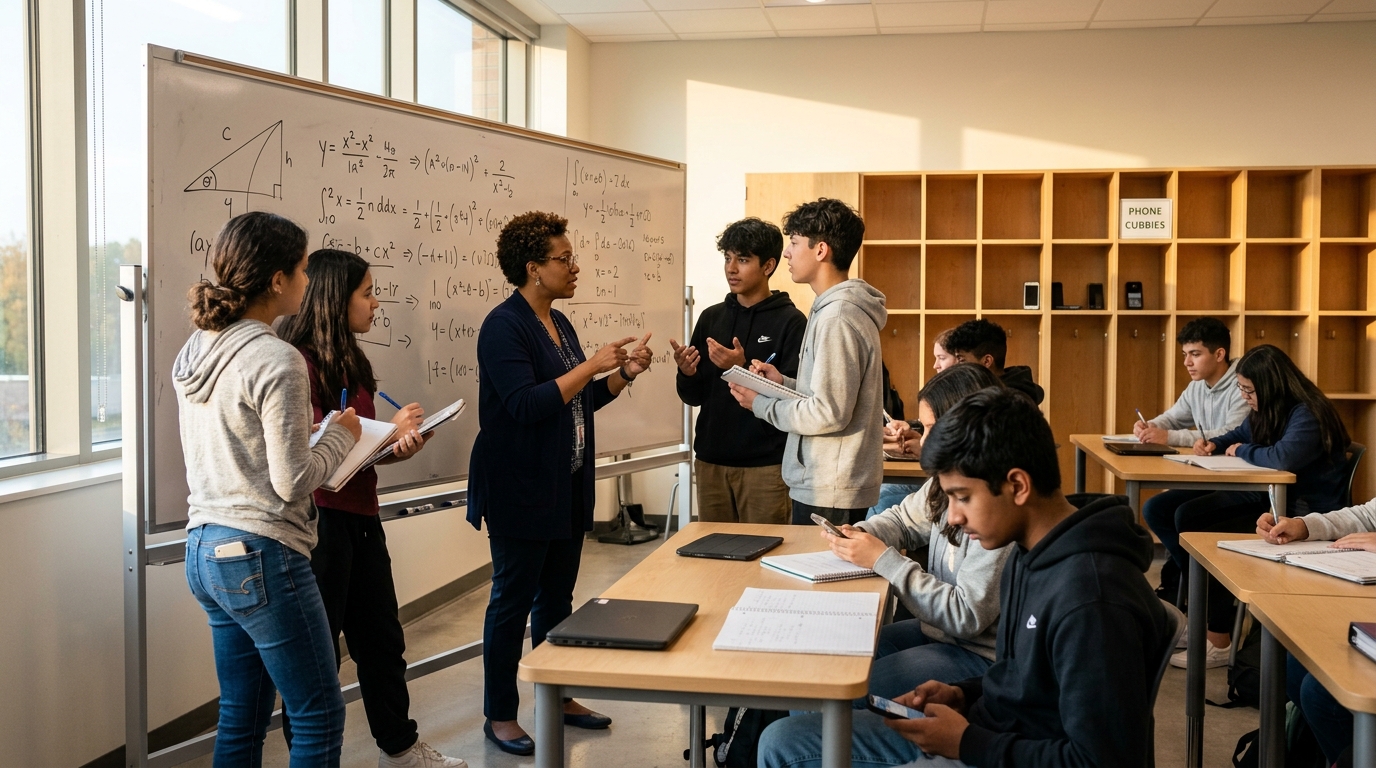
K-12 schools across Virginia, including those in Fairfax County, are preparing for stricter student cell phone policies following the signing of a new state law. The legislation, championed by a state senator from Fairfax County, aims to curb distractions and enhance the learning environment within classrooms statewide.[1]
The new measure strengthens existing guidelines regarding the use of personal mobile devices during school hours. While many individual school divisions already implement varying levels of cell phone restrictions, this new state law provides a more unified and forceful directive from the Commonwealth, reinforcing the importance of focused instruction and reduced digital interference.
Fairfax Senator Leads Legislative Effort
The bill, which tightens the existing framework for cell phone bans, was introduced by a state senator representing Fairfax County. This local legislative push underscores a growing concern among educators, parents, and policymakers about the pervasive presence of smartphones in schools and their potential impact on student engagement, academic performance, and social development. The specific details of the bill emphasize a statewide commitment to fostering environments conducive to learning, free from the constant interruptions that mobile devices can pose.[1]
The move comes as school districts nationwide grapple with how to best manage student cell phone use. Proponents of stricter bans often point to research suggesting that excessive screen time and constant notifications can detract from students' ability to concentrate, participate in class discussions, and form meaningful in-person connections. The new law empowers school divisions to implement more robust enforcement mechanisms, moving beyond mere recommendations to concrete policy requirements.
Implications for Students, Parents, and Educators
For students, the tightened restrictions will likely mean a significant shift in daily school routines. Many will need to adjust to storing their phones away for longer periods, potentially limiting communication with parents during the school day to approved channels. This change is intended to encourage greater focus on academic tasks and peer interaction.
Parents in Fairfax County and across Virginia should familiarize themselves with their specific school division's updated policies, which will detail when and where cell phones can be used, if at all. This might include designated "phone-free" zones, collection at the start of the day, or strict no-use policies during instructional time. Effective communication between schools and families will be crucial to ensure a smooth transition and understanding of the new rules.
Educators, who have often found themselves on the front lines of managing cell phone distractions, may welcome the clearer guidelines. The new law provides a statewide mandate that can help reduce inconsistencies in enforcement and offer teachers more support in maintaining an uninterrupted learning environment. The Virginia Department of Education provides resources and guidance for school divisions as they adapt to new state policies.
The Broader Context of Digital Wellness in Schools
The strengthening of cell phone bans in Virginia is part of a broader national conversation about digital wellness and technology's role in education. While technology offers numerous benefits, its unregulated use in schools has raised concerns about cyberbullying, academic dishonesty, and mental health impacts. This legislative action reflects a growing consensus that schools have a vital role in setting boundaries to protect student well-being and academic success.
Implementing these new policies effectively will require careful planning and communication from individual school districts. Fairfax County Public Schools, as one of the largest divisions in the Commonwealth, will play a significant role in demonstrating how these enhanced restrictions can be integrated into daily operations. Further information on specific district policies can often be found on individual school division websites or through direct contact with school administration.
The law's passage signifies a clear legislative intent to prioritize an immersive learning experience over constant digital connectivity during school hours. As the academic year progresses, the impact of these tightened restrictions on student behavior, academic outcomes, and overall school climate will be closely observed by parents, educators, and policymakers across the Commonwealth. Citizens can track legislative developments and the full text of bills through the Virginia Legislative Information System.
📍 Local Resources
State agency providing guidance and resources for Virginia's public schools, including policy implementation.
Information on local school policies, student handbooks, and parent resources for the largest school division in Virginia.
Offers independent reviews, age ratings, and parent guides for media and technology, including advice on screen time and digital well-being for children.