Virginia Bets on Carbon Pricing to Potentially Lower Power Bills
Share this article
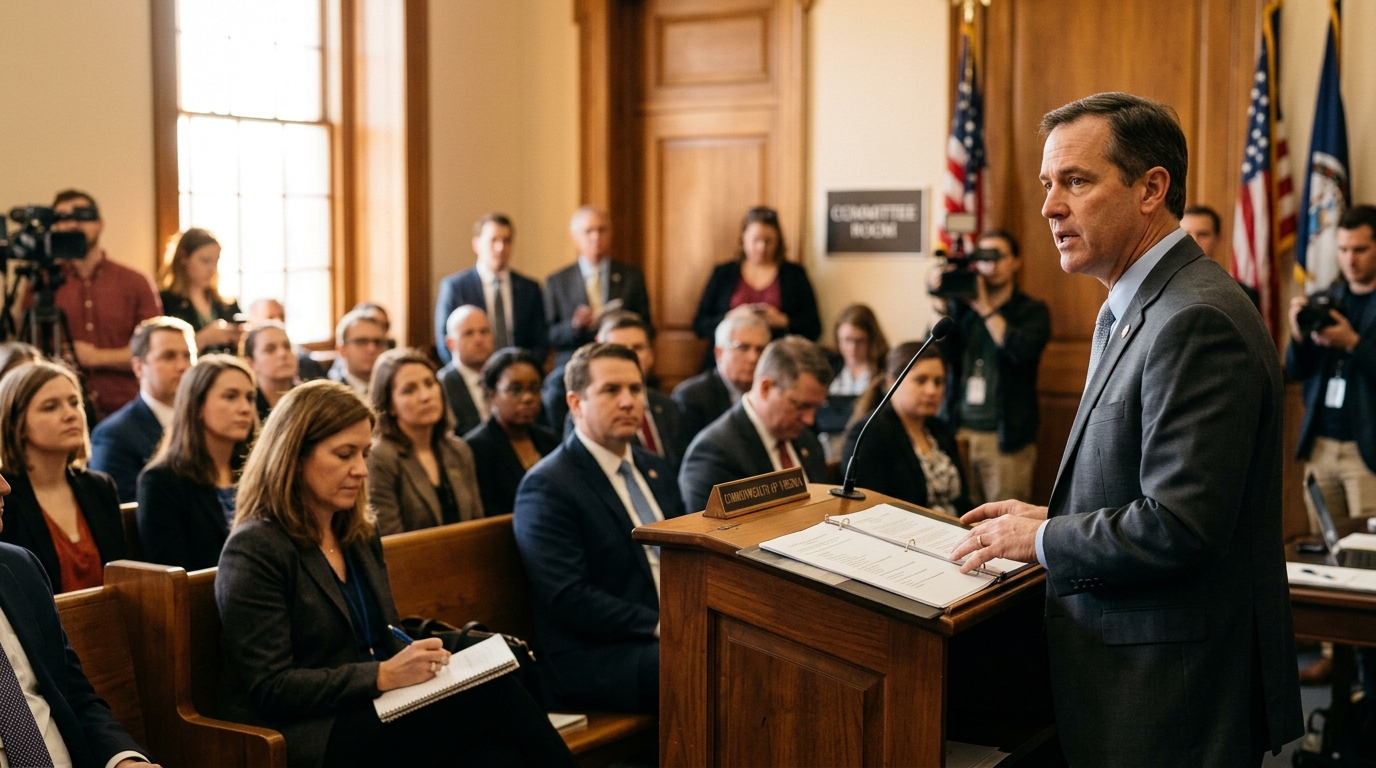
Understanding Carbon Pricing
At its core, carbon pricing is an economic tool designed to reduce greenhouse gas emissions by making pollution more expensive. It typically involves either a direct tax on carbon emissions or a "cap-and-trade" system, where a limit is set on total emissions, and companies buy and sell permits to emit carbon. The idea is to incentivize businesses, particularly power generators, to invest in cleaner energy sources and more efficient technologies. The premise, as explored by Grist.org, is that by placing a cost on carbon, Virginia could accelerate its transition away from fossil fuels, which are subject to volatile global markets and often require significant infrastructure investments. As cleaner, often renewable, energy sources become more prevalent, their operational costs can be more stable and, over time, potentially lower than those of traditional fossil fuel-based generation. This stability and potential reduction in generation costs are what Virginia appears to be banking on to translate into lower rates for consumers.The Virginia Angle: A Strategic Gamble
So, how exactly does Virginia envision this working to benefit residents' wallets? The hope is that the revenue generated from carbon pricing—whether through taxes or the sale of emission allowances—could be reinvested. This reinvestment could take several forms, such as funding energy efficiency programs, providing direct bill relief to low-income households, or subsidizing the development of renewable energy infrastructure within the state. These actions could collectively offset any initial cost increases and ultimately push down overall energy expenses. The State Corporation Commission (SCC), which regulates Virginia's utilities, plays a crucial role in approving utility rates and overseeing energy policy. Any significant shift toward carbon pricing with the goal of lowering power bills would undoubtedly involve extensive review and collaboration with the SCC, ensuring that the economic impacts on consumers are carefully considered and managed. This forward-thinking approach underscores Virginia's commitment to both environmental stewardship and economic practicality, seeking a path where these two goals are not mutually exclusive but mutually reinforcing.What This Means for Virginia Residents
For folks living in Richmond, Chesapeake, Roanoke, and across the Commonwealth, this policy discussion could mean more than just cleaner air. It could genuinely impact the numbers they see on their monthly utility statements. If Virginia's bet pays off, residents could see more predictable and potentially lower energy costs as the state transitions to a more sustainable and economically resilient energy system. Residents will want to keep an eye on legislative discussions and regulatory decisions coming out of the General Assembly and the SCC. Understanding how these policies are implemented and how any generated revenue is allocated will be key to seeing if Virginia's bold gamble on carbon pricing truly translates into real savings on power bills. The Commonwealth's Department of Energy (VirginiaEnergy.gov) is a good resource for staying informed on state energy initiatives.📍 Local Resources
Provides financial assistance to help eligible low-income households meet their home energy needs.
Explore more on this topic
Related Stories
Councilmember Janeese Lewis George Urges Caution on Waymo Legislation, Citing DC's Jobs Crisis
Ward 4 Councilmember Janeese Lewis George has urged the DC Council to pump the brakes on Waymo legislation this year, warning that rushing autonomous vehicle laws could worsen the city's "jobs crisis" by displacing workers. She emphasizes the need to prioritize safety and worker support alongside technological advancement.

Ousted Board of Appeals Chair Sues Howard County Council, Office of Law
Howard County's ousted Board of Appeals chair has filed a lawsuit against the County Council and the Office of Law, initiating a significant legal challenge within the local government structure. This action highlights internal administrative disputes and brings the county's appointment and oversight processes into public scrutiny.