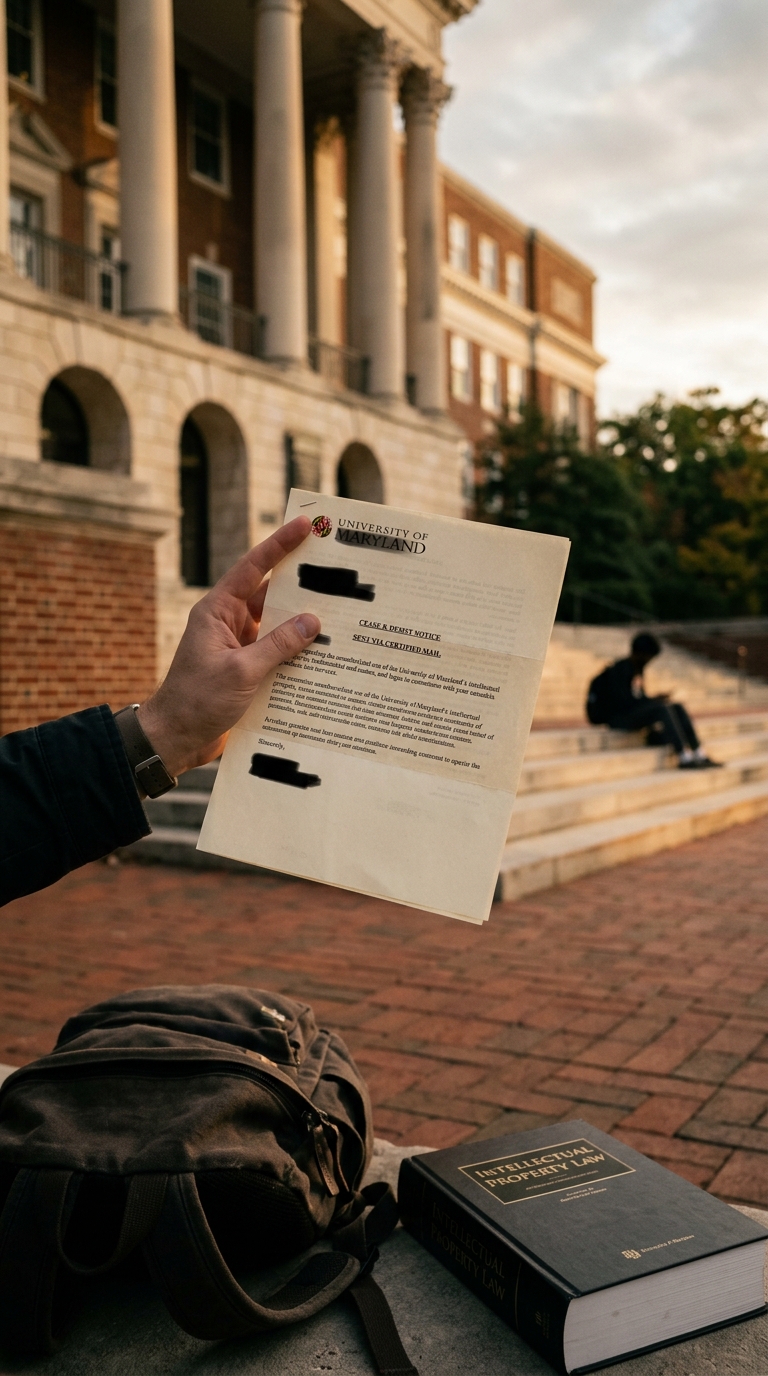
The iconic red, black, and gold of the University of Maryland's brand is a familiar sight across the DMV, instantly recognizable whether you're driving past College Park or cheering on the Terps. But now, that cherished local identity is at the heart of a legal dispute stretching all the way to Colorado, where a cannabis company stands accused of infringing on the university's intellectual property. The University of Maryland has fired off a cease-and-desist letter to a Colorado-based cannabis business, demanding it stop using a name and logo that the university claims too closely mirrors its own. This isn't just about a name; it's about protecting a brand built over generations, a brand that represents academic excellence, athletic prowess, and a deep connection to the state of Maryland and its residents. ### Protecting a Storied Brand For the University of Maryland, its name and visual identity aren't just marketing tools; they're symbols of its mission and legacy. The university, a prominent institution in the region, has invested significant resources into building and maintaining its reputation. This includes careful registration and protection of its trademarks with the
U.S. Patent and Trademark Office. These protections cover everything from academic programs to merchandise featuring the beloved "Testudo" mascot or the distinctive Block M logo. The dispute came to light when the university discovered the Colorado cannabis company was operating under a name and with a logo that allegedly created a likelihood of confusion with UMD's own marks. While the specifics of the cannabis company's branding haven't been widely detailed, the university's legal action underscores its commitment to preventing any misuse or dilution of its established identity.
The University of Maryland's brand, including its name and logos, is protected by federal trademark law, allowing the institution to prevent unauthorized use.
A cease-and-desist letter is a formal notice sent to an individual or business to stop an alleged illegal activity, in this case, trademark infringement. It's often the first step in what could escalate into a full-blown lawsuit if the demands aren't met. The university's legal team is asserting that the Colorado company's branding could mislead consumers into believing there's an affiliation or endorsement from UMD, which is certainly not the case. ### Understanding Trademark Law in Action Trademark law is designed to prevent consumer confusion. When a brand like the
University of Maryland has a strong, recognized mark, other entities are generally prohibited from using similar marks, especially within related industries, if it could confuse the public about the source or affiliation of goods or services. Even though cannabis and higher education seem like disparate fields, the legal argument often hinges on the potential for brand dilution or the implication of endorsement. The university's stance highlights the increasing complexity of intellectual property in a rapidly evolving market, particularly with the legalization of cannabis in various states. Businesses entering new markets must navigate a landscape where established brands, even those in seemingly unrelated sectors, are vigilant about protecting their identity. This incident serves as a stark reminder for businesses everywhere to conduct thorough trademark searches before launching their brands. Legal experts, like those at
Nolo.com, often advise comprehensive due diligence to avoid such conflicts. ### What This Means for the DMV For residents across Washington, D.C., Maryland, and Northern Virginia, this isn't just a distant legal squabble; it's about safeguarding a cornerstone institution's identity. The University of Maryland is a significant economic and cultural driver in our region, educating thousands, conducting vital research, and providing countless jobs. Its brand integrity contributes to its ability to attract top talent and secure funding, ultimately benefiting the entire DMV community. This action by UMD demonstrates a proactive approach to protecting its reputation and assets, ensuring that its brand continues to represent the values and quality that local residents associate with it. As cannabis legalization continues to expand, such clashes over branding and intellectual property are likely to become more common, making UMD's firm stance a potential precedent for other institutions. The University of Maryland's legal team is now awaiting a response from the Colorado cannabis company. Depending on that response, the situation could either be resolved amicably with a change in the company's branding, or it could escalate into more formal legal proceedings. Either way, the university is making it clear that it won't stand idly by while its hard-earned brand is potentially compromised.