Trump-Era Policies Disproportionately Harm Black Workers in DC Area, Study Finds
Share this article
The Uneven Burden: Impact on Black Workers
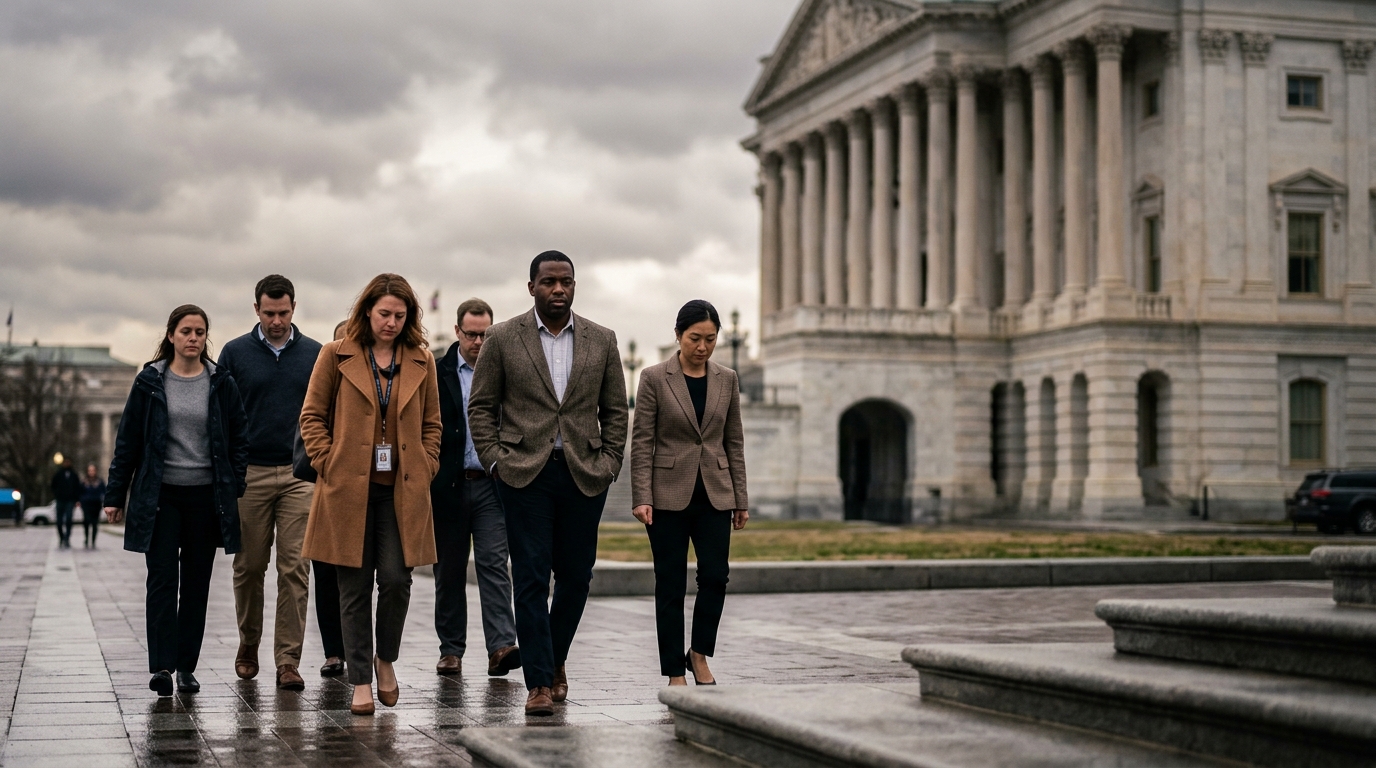
While the overall job market in the D.C. area has softened, the EPI study paints a particularly grim picture for Black workers. The report details that for Black residents in the region, the share of the population holding a job plummeted by a staggering six percentage points. This is nearly double the 3.2% decline seen across the region's population as a whole.Why the Disproportionate Impact?
The study identifies a key reason for this unequal impact: Black workers historically constitute a larger proportion of the public sector workforce compared to the private sector. The public sector, particularly federal employment, has long served as a crucial pathway to the middle class for workers of color who often face systemic labor market discrimination in private industries. The EPI study explicitly notes, "This is because the public sector has historically been a pathway to the middle class for workers of color who face labor market discrimination in the private sector" ([1]). When federal agencies face budget cuts, hiring freezes, or direct job reductions, the effects ripple outward, disproportionately affecting communities that have traditionally relied on the stability and equitable hiring practices often found within government employment.Beyond Federal Walls: The Wider Economic Fallout
The impact isn't confined to those directly employed by the federal government. The D.C. metropolitan area's economy is deeply intertwined with federal operations. When federal jobs are cut or federal spending is reduced, a domino effect occurs. Contractors who provide services to government agencies scale back their operations. Nonprofits and research institutions, many of which depend on federal grants for their funding, face significant financial strain, leading to layoffs and reduced services. These indirect job losses further exacerbate the economic downturn. Businesses that cater to federal employees and contractors—from local restaurants and coffee shops to retail stores and service providers—also feel the pinch as consumer spending declines. This complex web of economic relationships means that federal policy changes have a magnified effect throughout the DMV, affecting neighborhoods from Capitol Hill to Bethesda and Arlington. The stability of federal employment has long been a cornerstone of the region's economic resilience, and its erosion sends tremors through various sectors.Looking Ahead: What This Means for DMV Residents
The findings from the Economic Policy Institute underscore a critical challenge for the D.C. region. The uneven distribution of job losses highlights systemic vulnerabilities and the need for targeted economic strategies. For residents across Washington, D.C., Maryland, and Northern Virginia, this study signals a period of potential economic uncertainty, particularly for communities of color who have historically faced greater barriers to employment. Understanding these trends is crucial for local policymakers as they consider initiatives to diversify the regional economy and support vulnerable populations. As the political landscape continues to evolve, DMV residents should pay close attention to policy discussions surrounding federal employment and spending, as these decisions will directly shape the economic well-being of our communities. The path forward will likely involve robust support for job training programs, small business development, and efforts to ensure equitable access to economic opportunities for all.📍 Local Resources for Employment Assistance
Offers job search assistance, training programs, unemployment benefits, and career services for D.C. residents.
Provides workforce development services, job training, and reemployment services for Maryland job seekers.
Offers a wide range of services for job seekers, including job listings, resume assistance, and unemployment insurance information.
Explore more on this topic
Related Stories

Montgomery County Police Chief Nominee Defends Against Fraud Claims
A nominee for Montgomery County Police Chief is actively defending against fraud claims, raising significant questions about the rigorous vetting process for top public safety roles in the DMV. This development puts a spotlight on public trust and accountability for leadership in Montgomery County.
Alsobrooks Renews Call for RFK Jr.'s Resignation Over Misinformation
Prince George's County Executive Angela Alsobrooks has renewed her call for Robert F. Kennedy Jr.'s resignation, citing his "dangerous and unacceptable" spread of misinformation on public health issues, including COVID-19. This push from the U.S. Senate candidate highlights the ongoing political and scientific debate impacting the DMV.
DMV Democrats Ride High on Sustained "Blue Wave" Sentiment
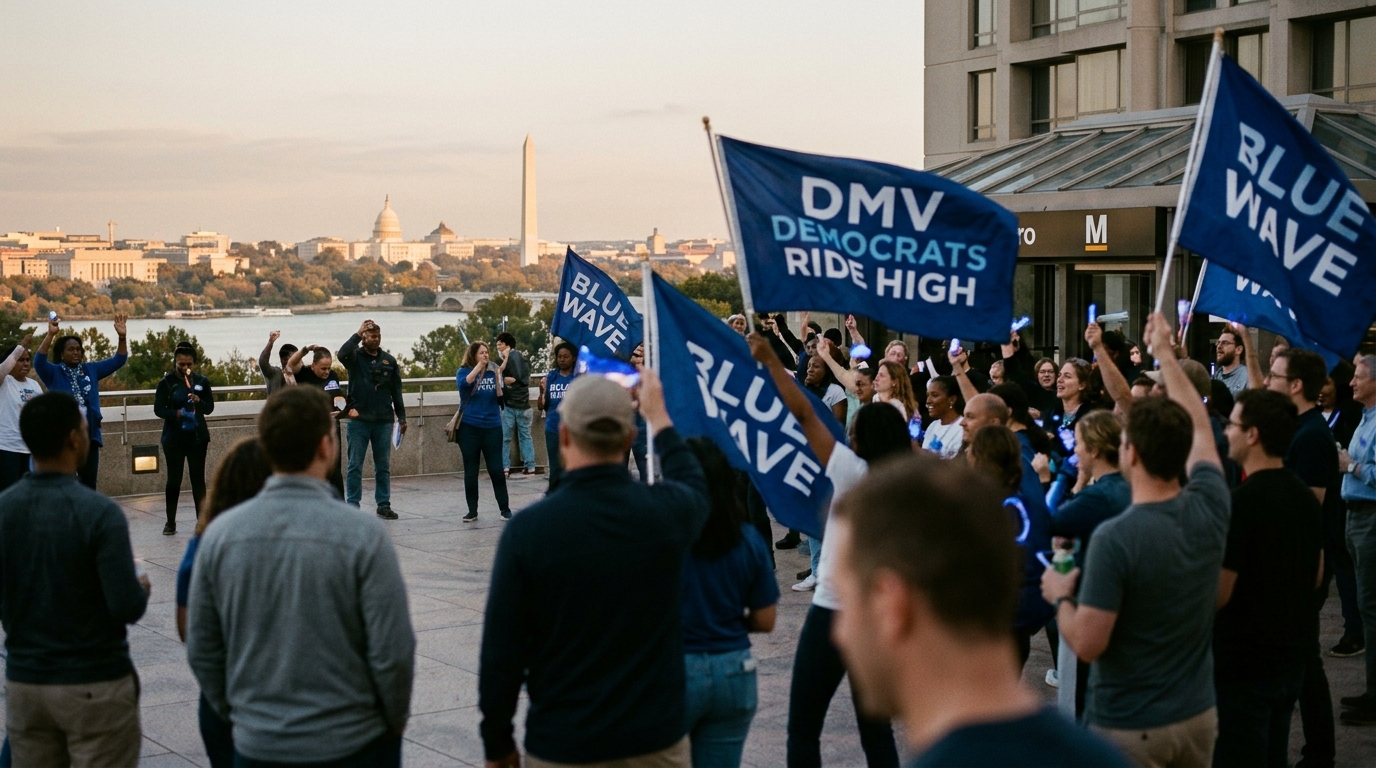
DMV Democrats are celebrating a sustained "blue wave" of electoral success, solidifying their power and pushing progressive agendas across the region. This isn't just about winning; it's about a deep-seated political identity and what it means for local governance and federal representation.