Community
Thousands Converge in Washington, D.C. for 'Race for Hope' to Combat Brain Tumors
Share this article
Advertisement
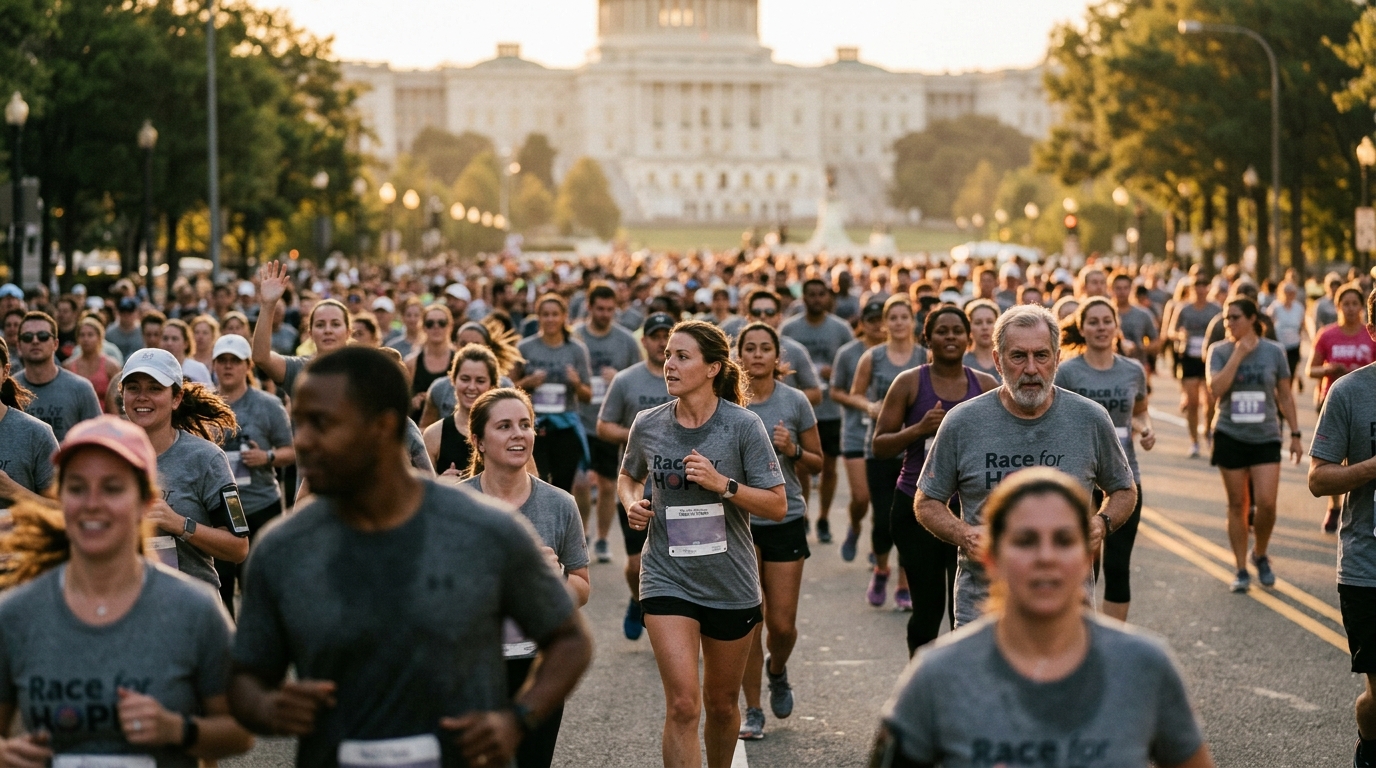
Swelling through the heart of Washington, D.C., thousands of dedicated participants recently laced up their sneakers and joined forces for the annual 'Race for Hope' [1]. This powerful gathering wasn't just about crossing a finish line; it was a vibrant, collective effort to shine a much-needed light on the challenges of brain tumors and to fuel the fight for a cure. The sight of so many people united for a single cause in the nation's capital sent a clear message: the brain tumor community is strong, resilient, and unwavering in its pursuit of progress. Each step taken by the "thousands" [1] of participants represented hope, solidarity, and a commitment to those living with brain tumors and their families.
The Power of Collective Action
When "thousands gather" [1] for an event like the Race for Hope, it's more than just a large crowd; it's a powerful demonstration of community support. Survivors, caregivers, family members, friends, and advocates come together, creating a palpable sense of shared purpose. For many, the event offers a unique opportunity to connect with others who understand their journey, fostering a network of empathy and mutual encouragement. This collective energy is vital, not only for fundraising but also for combating the isolation that can sometimes accompany a brain tumor diagnosis.Thousands united in Washington, D.C. for the 'Race for Hope' to raise awareness and support for brain tumor research.
The sheer scale of participation underscores the widespread impact of brain tumors, affecting individuals and families across all demographics. This public display of unity helps to destigmatize the disease and brings critical conversations about brain health and cancer research into the forefront. Shining a Light on a Critical Need
The primary goal of the Race for Hope is to "shine light on brain tumors" [1]. This means more than just increasing general awareness; it's about highlighting the urgent need for increased research funding, improved treatment options, and better support services for patients. Brain tumors are complex and diverse, ranging from benign to highly aggressive forms, and they can significantly impact a person's cognitive function, personality, and physical abilities. Events like this play a crucial role in educating the public about the different types of brain tumors, the symptoms to watch for, and the ongoing scientific efforts to understand and defeat them. The funds raised often go directly towards innovative research projects aimed at developing new therapies, improving diagnostic tools, and ultimately finding a cure. Organizations like the National Brain Tumor Society often partner with or benefit from such races, channeling the community's generosity into scientific breakthroughs.More Than Just a Race: A Symbol of Hope
While termed a "race," these events often include options for walking, making them accessible to a wide range of participants, including those who are undergoing treatment or are less mobile. It transforms a competitive athletic event into a communal journey, emphasizing perseverance and shared goals. The Washington, D.C. backdrop, with its historical significance and national symbolism, provides a powerful stage for such an important cause. Holding the event here ensures that the message of hope and the call for action resonate not just locally, but potentially nationally. The enduring success of the Race for Hope is a testament to the unwavering spirit of the DMV community and its commitment to making a tangible difference in the lives of those affected by brain tumors. Local medical institutions, such as the MedStar Georgetown University Hospital's neuro-oncology program, are often at the forefront of both treatment and research, making the local support from events like this vital for their ongoing work. As the thousands dispersed, the echoes of their footsteps lingered, a reminder of the collective resolve to continue the fight. The Race for Hope serves as a poignant annual reminder that while the journey to conquer brain tumors is challenging, it is one that the community faces together, with hope leading the way.📍 Local Resources
National Brain Tumor Society (NBTS)
A leading non-profit organization dedicated to brain tumor research, advocacy, and patient support.
📞 Phone: (617) 924-9997
🌐 Website: braintumor.org
📍 Location: (National organization with local support)
🕐 Hours: Mon-Fri 9am-5pm ET
Inova Schar Cancer Institute - Neuro-Oncology Program (Northern Virginia)
Offers comprehensive care for brain tumor patients, including advanced treatments and clinical trials.
📞 Phone: (703) 698-2000
🌐 Website: inova.org
📍 Location: 8481 Innovation Park Dr, Fairfax, VA 22031
🕐 Hours: Varies by department
MedStar Georgetown University Hospital - Brain Tumor Program (Washington, D.C.)
Provides multidisciplinary care for patients with brain and spinal cord tumors, focusing on innovative therapies and patient-centered support.
📞 Phone: (202) 444-3000
🌐 Website: medstarhealth.org
📍 Location: 3800 Reservoir Rd NW, Washington, DC 20007
🕐 Hours: Varies by department
American Cancer Society - DC Metro Office
Offers patient navigation, support programs, and information resources for cancer patients and their families, including those with brain tumors.
📞 Phone: (800) 227-2345
🌐 Website: <
Advertisement