Storm Damage Snarls Friday Commutes Across the DMV Region
Share this article
Understanding the Impact on Regional Roadways
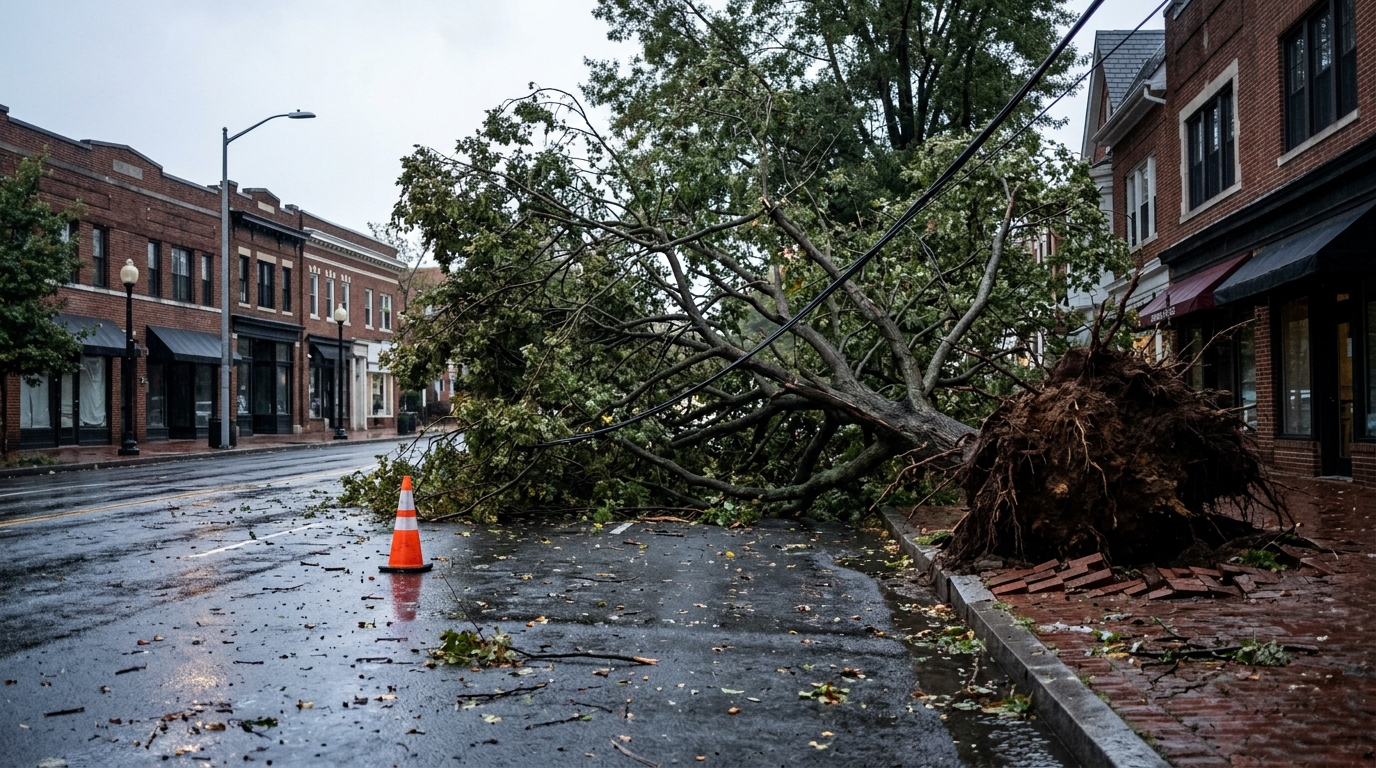
When severe weather rolls through the DMV, the repercussions on our roads can be diverse and persistent. Fallen trees and branches are a common culprit, blocking lanes, bringing down power lines, and creating immediate hazards for drivers. Heavy rainfall can lead to localized flooding, rendering underpasses impassable and forcing road closures that ripple through traffic networks. Beyond immediate obstructions, the sheer force of wind and water can exacerbate existing potholes or create new ones, posing long-term issues for vehicles and requiring significant repair efforts from local public works departments. The Washington, D.C. metropolitan area, with its complex network of interstates, parkways, and local streets, is particularly susceptible to these cascading effects. A single downed tree on a main artery, or a flooded stretch of road, can quickly back up traffic for miles, affecting thousands of commuters who rely on these routes daily. Agencies like the District Department of Transportation (DDOT) in D.C., the Virginia Department of Transportation (VDOT), and the Maryland State Highway Administration (MDSHA) are often stretched thin responding to multiple incidents simultaneously.Navigating Post-Storm Travel Safely
For drivers heading out in the wake of storm damage, caution is paramount. Visibility can be reduced by lingering debris, and road surfaces might be slick or uneven. It's crucial to slow down, increase following distance, and be extra vigilant for unexpected obstacles. Puddles can hide deep potholes, and downed power lines, even if they appear inert, can still be live and extremely dangerous. Officials consistently advise against driving through standing water, as it's impossible to gauge its depth, and even a few inches can stall a vehicle or cause it to lose control. Additionally, motorists should be prepared for potential power outages affecting traffic signals, turning intersections into four-way stops where courtesy and clear communication are essential. Staying informed through local news channels and official traffic alert systems, like 511 Virginia or Maryland 511, can help residents plan alternative routes and avoid affected areas.What This Means for DMV Residents
For those living, working, and commuting across Washington, D.C., Northern Virginia, and parts of Maryland, Friday's storm damage to road conditions served as a stark reminder of how quickly weather can disrupt daily life. Whether it was navigating a flooded street in Alexandria, dodging fallen branches in Montgomery County, or sitting in unexpected gridlock on the Capital Beltway, residents felt the direct impact on their travel plans and schedules. This means an increased need for vigilance, planning extra time for commutes, and staying updated on local advisories from transportation authorities like DDOT, VDOT, and MDSHA before heading out, especially after severe weather. As the region moves past the immediate aftermath of Friday's disruptions, the focus will shift to cleanup and repair. Crews will be working to clear debris, address structural damage to roads, and restore any affected traffic signals. The timeline for these repairs can vary significantly depending on the extent of the damage and the resources available to local jurisdictions. Residents should anticipate that some impacts, such as rough road patches or ongoing lane closures for repair work, could linger beyond the initial incident. Staying informed about these efforts will be key to navigating the weeks ahead.📍 Local Resources
Real-time traffic, road conditions, and incident alerts for D.C., Maryland, and Virginia.
Contact for non-emergency storm-related issues like downed trees on public property or significant road damage.
Provides emergency assistance, shelter, and resources in the aftermath of severe weather events.
Explore more on this topic
Related Stories
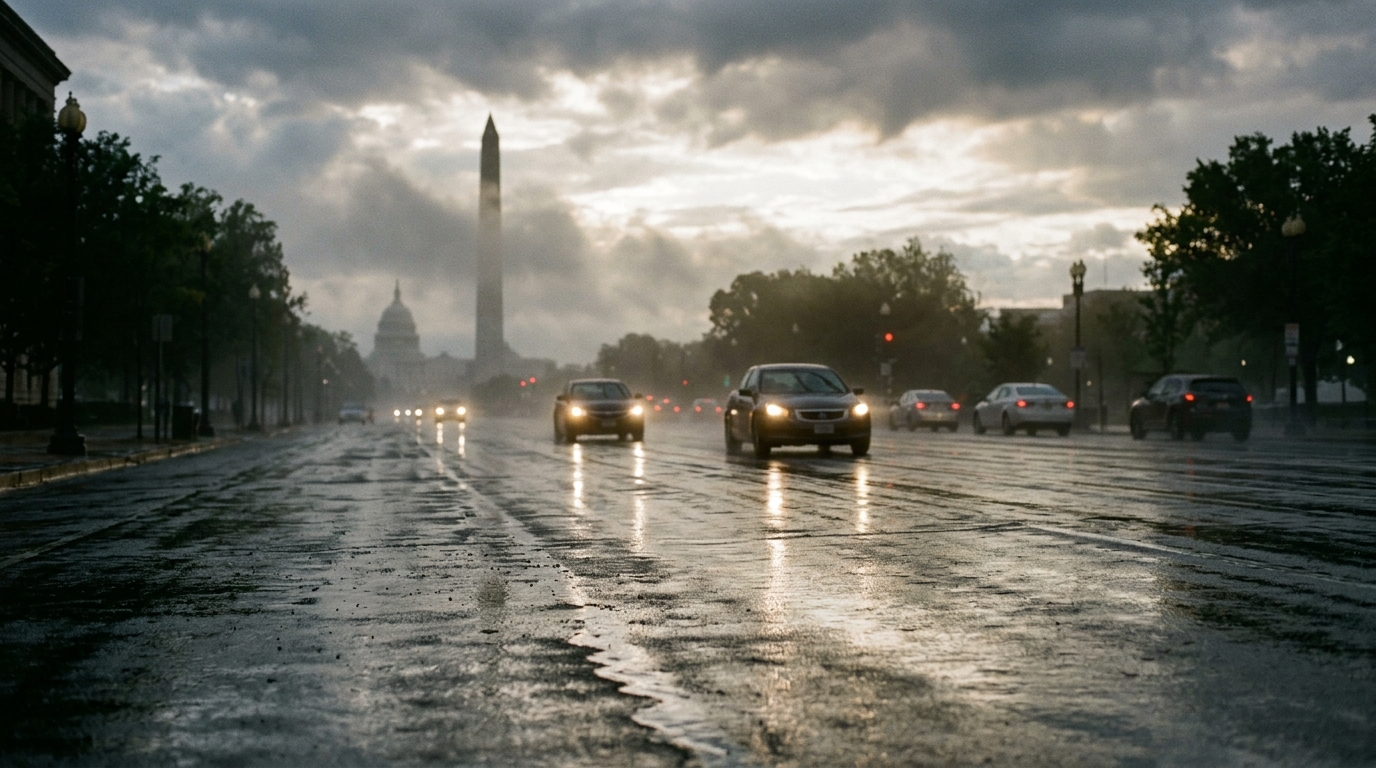
Morning Fog Lifts for a Sunny, Mild Afternoon Across DC
Washington, D.C. experienced a dramatic weather shift as morning fog gave way to a sunny, mild afternoon with temperatures in the 70s, offering a perfect day for outdoor activities after a misty start.
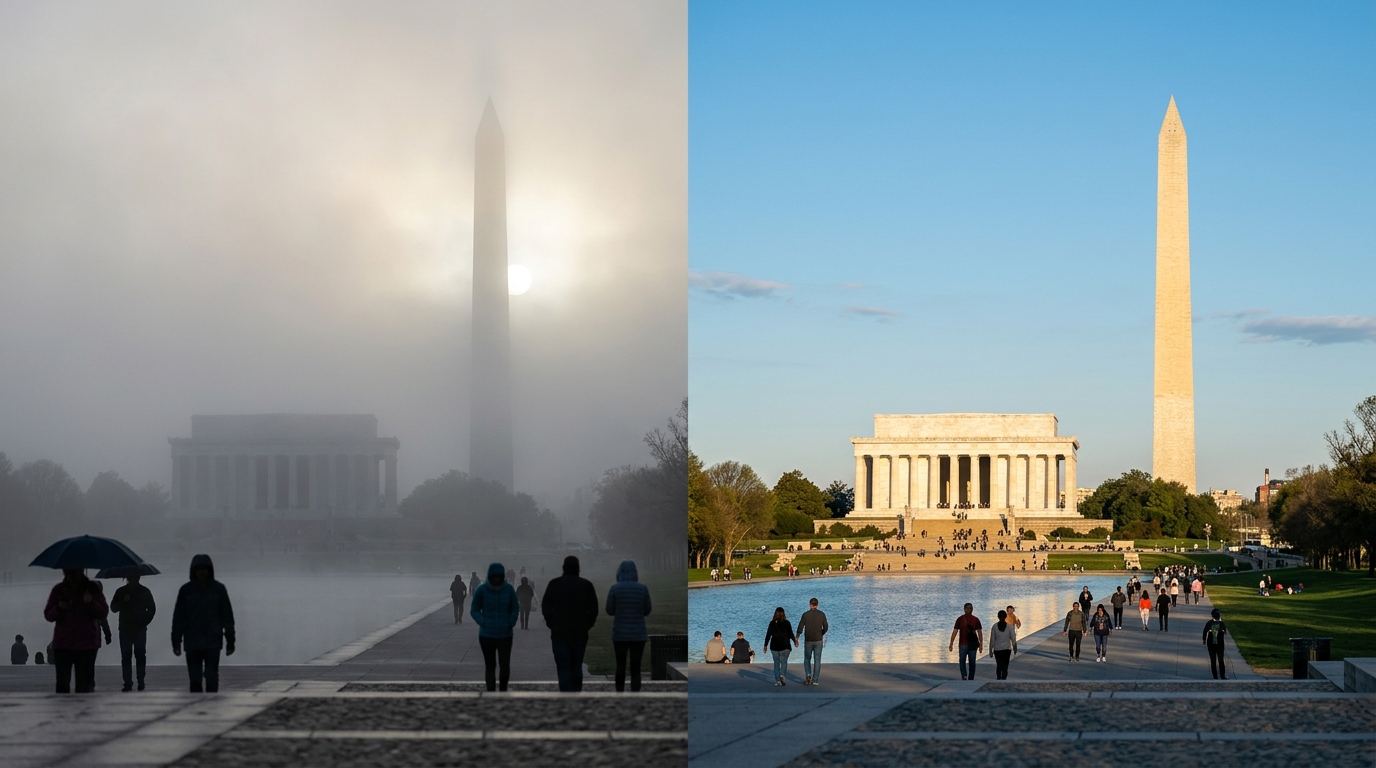
Monday's Murky Start in DC Clears to a Radiant Afternoon
Washington, D.C., woke up to a blanket of dense fog on Monday morning, transforming familiar landmarks into hazy outlines before a dramatic shift brought clear skies and mild temperatures by the afternoon.
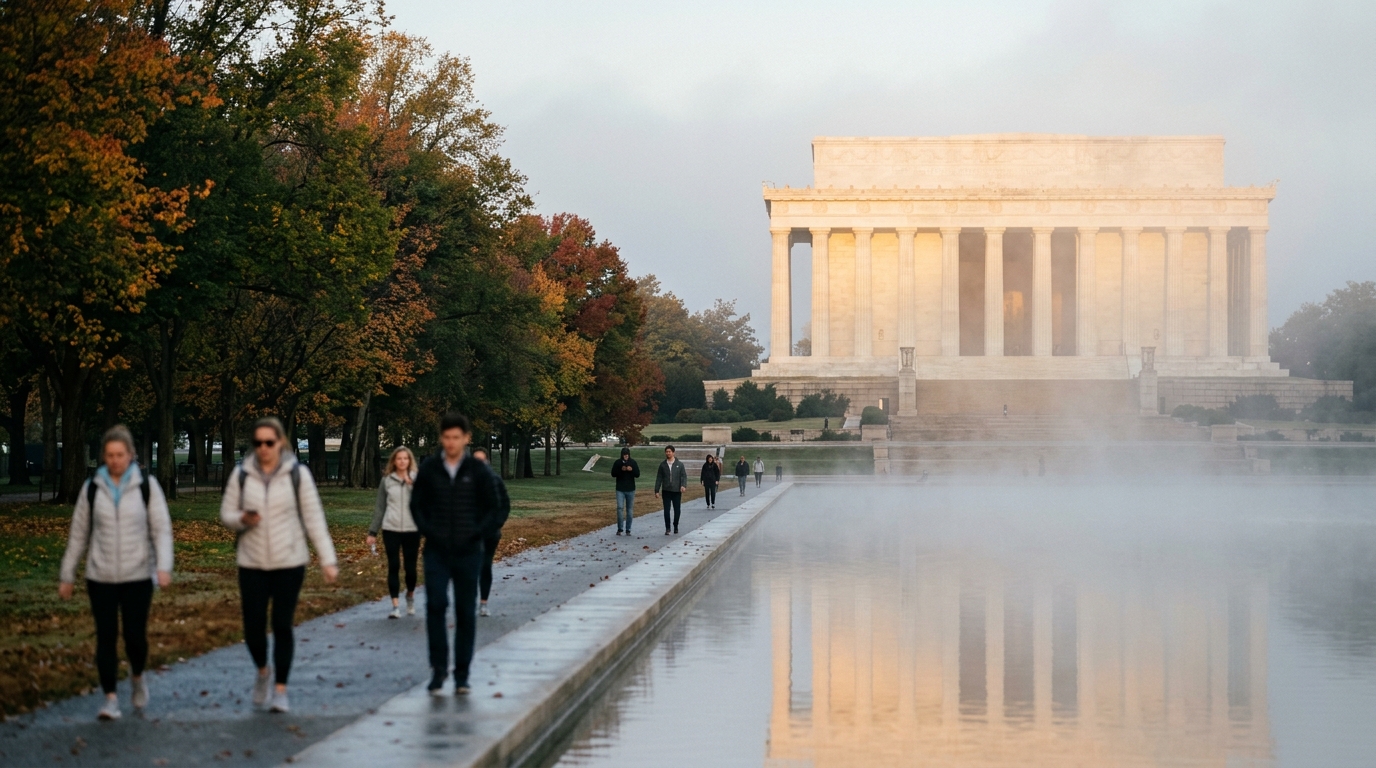
DMV Braces for Foggy, Chilly Start Before Monday Warms to Pleasant Low 70s
DMV residents can expect a foggy, chilly Monday morning that will quickly give way to a mild afternoon with temperatures reaching the low 70s, according to local forecasters.