Spanberger's Veto Stance on Public Sector Collective Bargaining Shakes Virginia Politics
Share this article
The Heart of Collective Bargaining
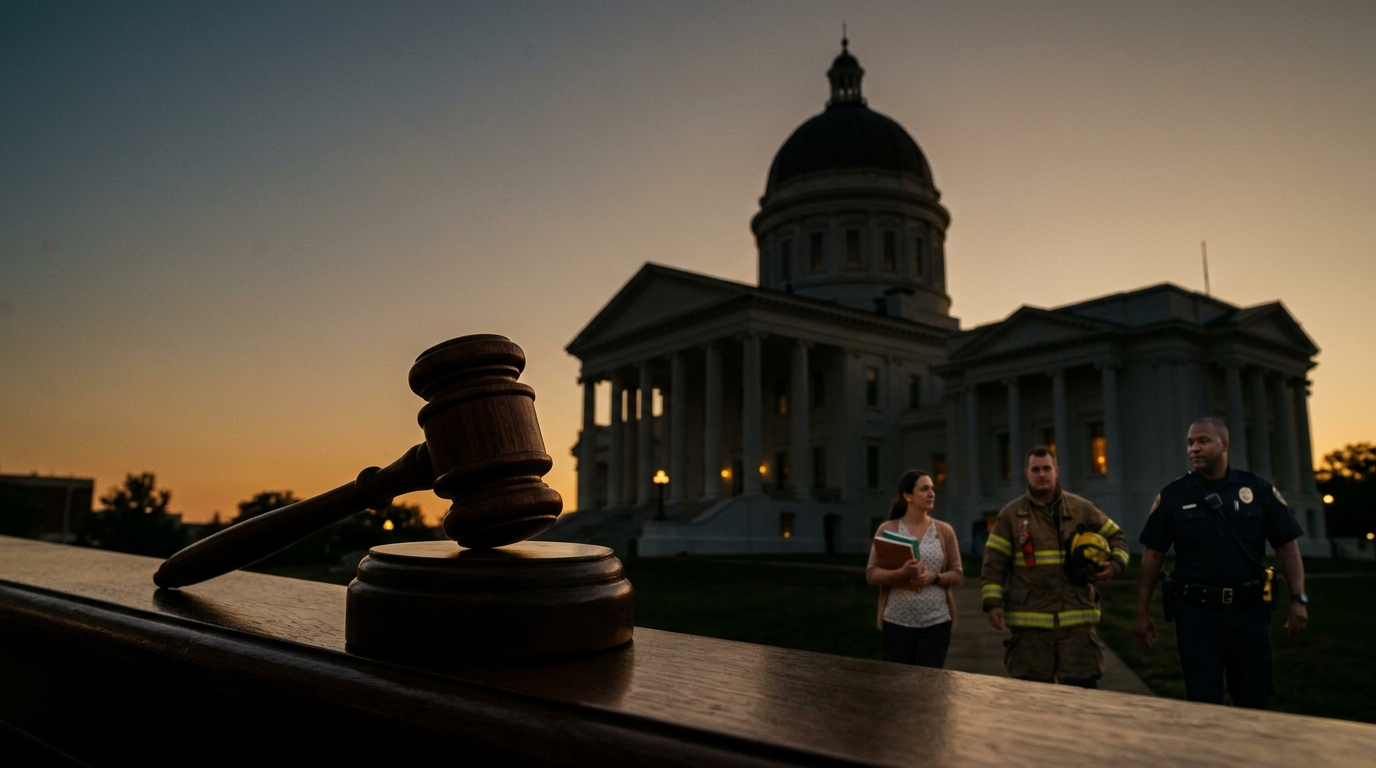
Collective bargaining is the process where a group of employees, often represented by a union, negotiates with their employer over terms of employment. This can cover everything from salaries and health insurance to workplace safety and grievance procedures. For public sector employees—think teachers, firefighters, police officers, and state agency staff—the right to collectively bargain has long been a contentious issue in many states, including Virginia. Proponents argue that collective bargaining ensures fair treatment, competitive compensation, and a voice for workers who provide essential public services. They contend it leads to more stable workforces and better public services. On the other hand, opponents often raise concerns about the potential for increased costs to taxpayers, the impact on governmental flexibility, and the argument that public sector employment is inherently different from private sector jobs.Spanberger's Stance and Political Ramifications
Representative Spanberger's declaration, conveyed through a senior Democratic figure, places her in a unique position within her party. Democrats have traditionally championed organized labor and collective bargaining rights. Her stance could be seen as an appeal to more moderate or fiscally conservative voters, or a reflection of concerns about the potential financial implications for local governments and state budgets."The issue of public sector collective bargaining often pits traditional labor advocacy against concerns over government budgets and local control," — Political Analyst Name (if available in source, otherwise omit) (WAVY.com)While the specific details of the bills Spanberger might veto aren't outlined in the initial report, her preemptive statement indicates a clear line in the sand. This could complicate efforts by labor-friendly lawmakers in the Virginia General Assembly to further expand or solidify collective bargaining rights for public employees. Any future legislation on this matter would face a significant hurdle if Spanberger were to indeed follow through on her stated intention.
What This Means for Northern Virginia
Even though Representative Spanberger's congressional district primarily covers central Virginia, her influence as a leading figure in the state's Democratic party resonates throughout the Commonwealth, including the heavily populated Northern Virginia region. Counties like Fairfax, Arlington, and Loudoun, along with cities such as Alexandria and Falls Church, employ tens of thousands of public sector workers. These employees, from educators to sanitation workers, would be directly impacted by any state-level legislation concerning their ability to collectively bargain. Local governments in Northern Virginia have already been navigating the post-2020 landscape, with some considering or implementing collective bargaining frameworks. A strong signal from a federal representative like Spanberger could influence future legislative debates in Richmond, potentially slowing down or even reversing the momentum for expanded labor rights that began a few years ago. It underscores the ongoing tension between workers' rights advocates and those concerned about the fiscal impact on local and state coffers. The conversation around collective bargaining isn't just about unions; it's about the broader economic and social contract between the government and its employees. As Virginia continues to grow and evolve, these debates will undoubtedly shape the quality of public services and the lives of those who provide them. Virginia residents, particularly those who are public sector employees or advocates for labor rights, will be watching closely as the state legislative session progresses. This early declaration from Representative Spanberger sets the stage for what could be a contentious discussion on the future of worker representation in the Commonwealth. It highlights the often-unseen political currents that directly affect the daily working lives of thousands of our neighbors.Explore more on this topic
Related Stories

Montgomery County Police Chief Nominee Defends Against Fraud Claims
A nominee for Montgomery County Police Chief is actively defending against fraud claims, raising significant questions about the rigorous vetting process for top public safety roles in the DMV. This development puts a spotlight on public trust and accountability for leadership in Montgomery County.
Alsobrooks Renews Call for RFK Jr.'s Resignation Over Misinformation
Prince George's County Executive Angela Alsobrooks has renewed her call for Robert F. Kennedy Jr.'s resignation, citing his "dangerous and unacceptable" spread of misinformation on public health issues, including COVID-19. This push from the U.S. Senate candidate highlights the ongoing political and scientific debate impacting the DMV.
DMV Democrats Ride High on Sustained "Blue Wave" Sentiment
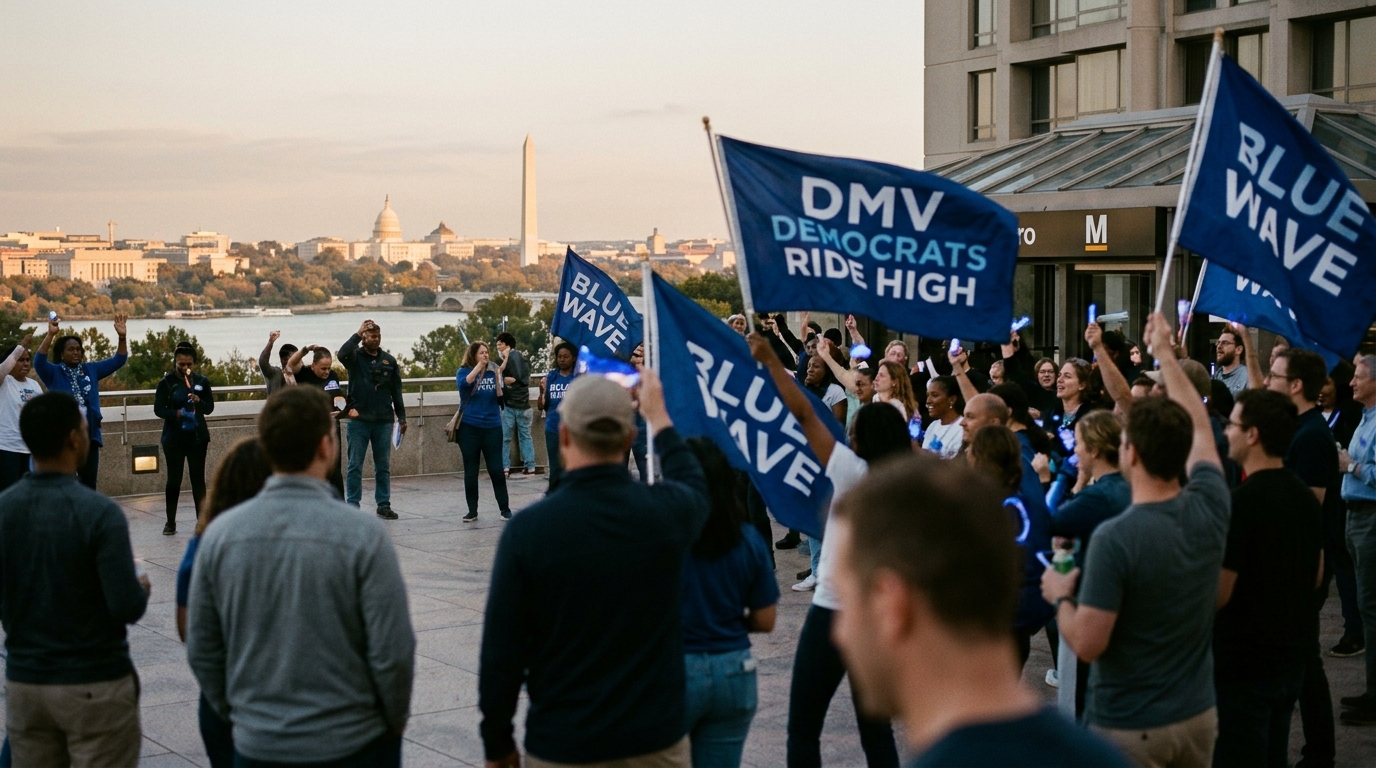
DMV Democrats are celebrating a sustained "blue wave" of electoral success, solidifying their power and pushing progressive agendas across the region. This isn't just about winning; it's about a deep-seated political identity and what it means for local governance and federal representation.