Crime
Three Injured, Two Juveniles Among Them, in Southeast DC Shooting
Share this article
Advertisement
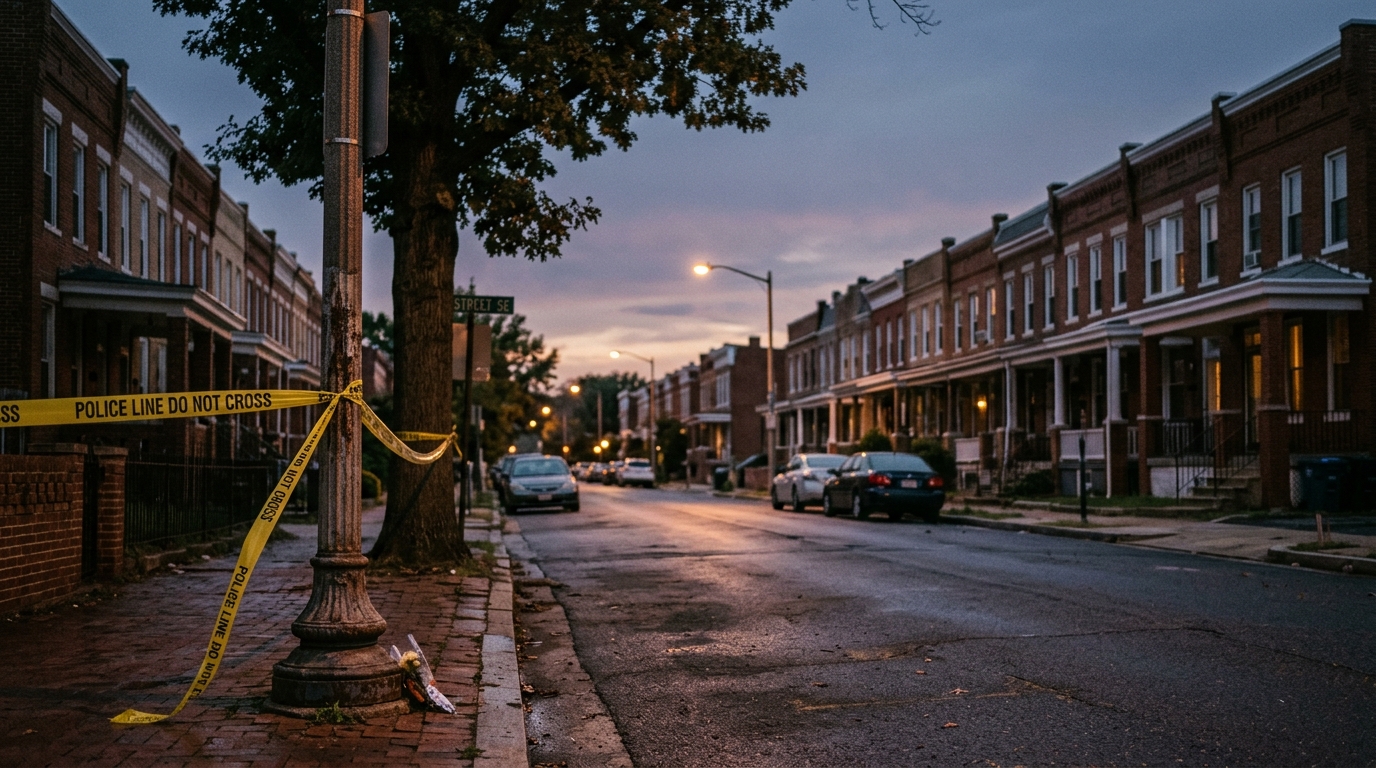
The quiet of a Southeast DC neighborhood was shattered recently by gunfire, leaving three individuals injured, two of them juveniles. The incident, details of which remain scarce, underscores the persistent challenge of gun violence within the District and its profound impact on local communities, particularly its youngest residents. While the specific circumstances surrounding the shooting have not been fully disclosed, the event highlights a recurring pattern of violence that can ripple through neighborhoods, leaving behind trauma and fear. For residents of Southeast DC, such incidents are not just headlines; they are lived realities that shape daily life, prompting renewed calls for safety and effective intervention.
This incident in Southeast DC is a stark reminder of the urgent need for continued focus on public safety and community well-being. Residents will be watching closely for updates from the Metropolitan Police Department as they work to bring those responsible to account and for sustained efforts to ensure the safety of all, especially the city's youth.
A Community Grapples with Recurring Violence
Southeast Washington, like many urban areas, has borne a disproportionate share of the District's gun violence. When shots ring out, and especially when children are caught in the crossfire, it sends a chilling message through the community. The fact that two of the three victims are juveniles is particularly heartbreaking, forcing a direct confrontation with the vulnerability of young lives in areas struggling with persistent crime. Incidents like this often lead to a mix of anger, sorrow, and a desperate plea for solutions. Neighbors worry about their children playing outside, about their commutes, and about the overall sense of security in their homes and on their streets. It’s a collective grief and anxiety that settles over a community, even as many work tirelessly to build a safer, more vibrant future for their corner of the city.Three people injured, including two juveniles, marks a stark reminder of the ongoing challenge of gun violence in the District.
The Metropolitan Police Department (MPD) regularly responds to reports of gun violence across the city. When a shooting occurs, especially one involving multiple victims or juveniles, it triggers a multi-faceted response, from immediate emergency services to the launch of a thorough investigation. The goal is always to piece together what happened, identify those responsible, and bring them to justice, but the path to clarity can be complex and challenging. The Ripple Effect: Beyond Physical Wounds
The physical wounds from a shooting are often just the beginning. For those directly injured, there's a long road to recovery, both physically and emotionally. For juveniles, the trauma can be particularly deep, potentially affecting their development, mental health, and sense of safety for years to come. Exposure to violence, whether as a victim or a witness, can lead to post-traumatic stress, anxiety, and a host of other psychological challenges. Beyond the immediate victims, the community itself suffers. Parents, teachers, and community leaders often find themselves grappling with how to protect their youth and provide them with a sense of normalcy amidst such turmoil. Schools become places not just of learning, but also of healing and support, as educators work to help students process what they've experienced or witnessed. Organizations dedicated to violence prevention and victim support become vital lifelines, offering resources and a glimmer of hope in difficult times. The broader public health implications of gun violence in the District are immense. It strains emergency services, places a heavy burden on hospitals, and costs the city millions in healthcare, law enforcement, and lost productivity. Addressing this issue requires a comprehensive approach that goes beyond just policing, incorporating public health strategies, mental health support, and community-led initiatives. The Metropolitan Police Department's crime reduction efforts often emphasize community engagement as a key component in fostering trust and gathering information necessary for investigations.Navigating the Investigation and Community Response
When an incident like the Southeast DC shooting occurs, MPD detectives begin a painstaking process of gathering evidence, interviewing potential witnesses, and reviewing any available surveillance footage. The success of these investigations often hinges on the cooperation of the community. Residents who may have seen or heard something, even seemingly insignificant details, are encouraged to come forward to assist law enforcement. The MPD website provides information on how to report tips anonymously. Meanwhile, community leaders and local organizations frequently step up to offer support and advocate for solutions. They organize peace walks, hold vigils, and create safe spaces for dialogue and healing. These efforts are crucial in demonstrating resilience and fostering a sense of collective responsibility for public safety. Many residents believe that long-term change requires addressing the root causes of violence, such as poverty, lack of opportunity, and easy access to firearms. The District government has also invested in various programs aimed at violence interruption and prevention, recognizing that a multi-pronged strategy is essential. These programs often involve outreach workers who engage with individuals at high risk of involvement in violence, attempting to mediate conflicts and connect people with vital services. The goal is to break cycles of violence before they escalate. Information on DC's Office of Neighborhood Safety and Engagement (ONSE) highlights some of these proactive measures. The Southeast DC shooting is a stark reminder of the ongoing struggle many neighborhoods face. For those living in the immediate vicinity, it's not just a news story; it's a direct threat to their sense of peace and security. As the investigation continues, the community will undoubtedly be looking for answers and, more importantly, for assurances that steps are being taken to prevent similar tragedies from happening again.📍 Local Resources
DC Victim Hotline
Provides free, confidential support and services to victims of crime in Washington, DC, 24/7.
📞 Phone: (844) 443-4432
🌐 Website: dcvictim.org
Metropolitan Police Department (MPD) Non-Emergency Line
For reporting non-urgent crimes, suspicious activity, or to provide information on ongoing investigations.
📞 Phone: (202) 727-9099
🌐 Website: mpdc.dc.gov
DC Department of Behavioral Health (DBH) Access HelpLine
Connects residents to mental health and substance use disorder services, crucial for trauma support.
📞 Phone: (888) 793-4357
🌐 Website: dbh.dc.gov
Advertisement